
The opera Pelléas et Mélisande is a major work in the French musical repertoire. Composed by Claude Debussy, it perfectly embodies nineteenth-century Symbolist art. This creation, often described as enigmatic, explores a world in which the boundary between reality and dreams fades away.
Debussy himself declared: “Music must emerge from the shadows and return to them.” This idea is reflected in the score, where emotions are conveyed with great abstraction. Natural elements such as water and the forest play a central role in the work’s symbolic construction.
The collaboration between Debussy and Maeterlinck gave rise to a masterpiece open to multiple interpretations. To learn more about this unique collaboration, read this detailed article. Divided into five acts, the opera invites listeners to enter a world where fate and love intertwine in a fascinating way.
Introduction to Pelléas et Mélisande
In 1902, a landmark work premiered at the Opéra-Comique. After seven years of work, Claude Debussy presented his opera, a creation that challenged the conventions of its time. Inspired by the play by Maurice Maeterlinck, the project represented a major artistic break.
Historical context and creation
The genesis of this work dates back to 1895, when Debussy discovered Maeterlinck’s libretto. Fascinated by its symbolism, he embarked on a painstaking process of composition. However, the choice of Mary Garden to portray Mélisande caused a dispute between the two artists. Despite this, the work was finally premiered in 1902, marking a turning point in the history of opera.
The influence of Maurice Maeterlinck
Maeterlinck brought a poetic and mysterious dimension to the opera. His Symbolist world, in which every element has a profound meaning, deeply inspired Debussy. Their collaboration nevertheless ended after the controversial casting decision, leaving behind an independent and innovative work.
Debussy’s originality in opera
Rejecting the Italian and Wagnerian operatic traditions, Debussy broke new ground. His light orchestration and vocal writing, close to spoken declamation, create a unique atmosphere. This revolutionary approach divided the audience at the premiere but received support from figures such as Paul Dukas. To learn more about this play, read this detailed article.
Symbolism in Pelléas et Mélisande
Natural elements play a key role in the construction of the work. Water, the forest, and light are powerful symbols that shape the mysterious world of this creation. Each of these elements adds depth and invites multiple interpretations.

Symbolic elements: water, forest, light
Water, present in the fountain and the damp cave, symbolizes both purification and death. It reflects the characters’ often elusive emotions. The dark, dense forest represents the unconscious and repressed impulses. It becomes a place where the characters lose themselves, both physically and emotionally.
The light, often subdued, embodies an elusive truth. It illuminates the scenes without ever fully revealing the characters’ intentions. These elements create a dreamlike atmosphere in which every detail carries a hidden meaning.
The role of destiny and fatality
The characters’ destiny is shaped by invisible forces. From the outset, a sense of doom appears to hang over them, drawing them toward a tragic end. This idea is reinforced by natural symbols such as water and the forest, which seem to act as supernatural forces.
Mélisande’s lost ring, for example, symbolizes fleeting love and the fragility of relationships. Its loss sets off a series of inevitable events, underscoring the hold of destiny over the characters.
The duality between reality and dreams
The work constantly blurs the boundary between reality and dreams. The characters’ actions shift between concrete gestures and dreamlike projections. This ambiguity is heightened by symbols such as subdued light and the dark forest, creating a world in which anything seems possible.
Carl Jung said: “The symbol points beyond itself.” This idea applies perfectly to the work, in which every detail invites profound interpretation. To explore this symbolic dimension further, read this detailed analysis.
The characters and their symbolism
Every figure in this creation carries a powerful symbolic charge. Far more than participants in a drama, the characters embody universal archetypes. Their role extends beyond simple storytelling to touch upon the essence of humanity.
Pelléas: idealism and failure
Pelléas represents the archetype of the idealist drawn toward love and spirituality. His journey, however, is marked by failure. In a Jungian reading, he embodies the mind directed toward the ideal, but his quest remains unfinished. His tragic fate reflects the fragility of human aspirations.
Mélisande: the feminine enigma
Mélisande, a mysterious figure, embodies the anima, the feminine aspect of the male psyche according to Jung. Her role is that of a mirror reflecting the unconscious desires of the other characters. Her mystery both fascinates and unsettles, creating constant tension throughout the work.
Golaud: jealousy and violence
Golaud, characterized by an insecure sense of authority, is consumed by jealousy. His brooding, destructive violence makes him a complex character. He embodies the dark forces that threaten love and harmony. His relationship with his brother Pelléas is marked by tragic fraternal rivalry.
This triangular dynamic, inspired by Tristan and Isolde, explores the tensions between love, jealousy, and death. For a closer look at the symbolism of family relationships, read this detailed analysis.
Debussy’s music: a symbolic language
Claude Debussy revolutionized opera with a unique musical approach. His music transcends traditional conventions, creating a dreamlike and mysterious atmosphere. Every note seems to carry a profound meaning, inviting listeners into a symbolic world.
Orchestration and atmosphere
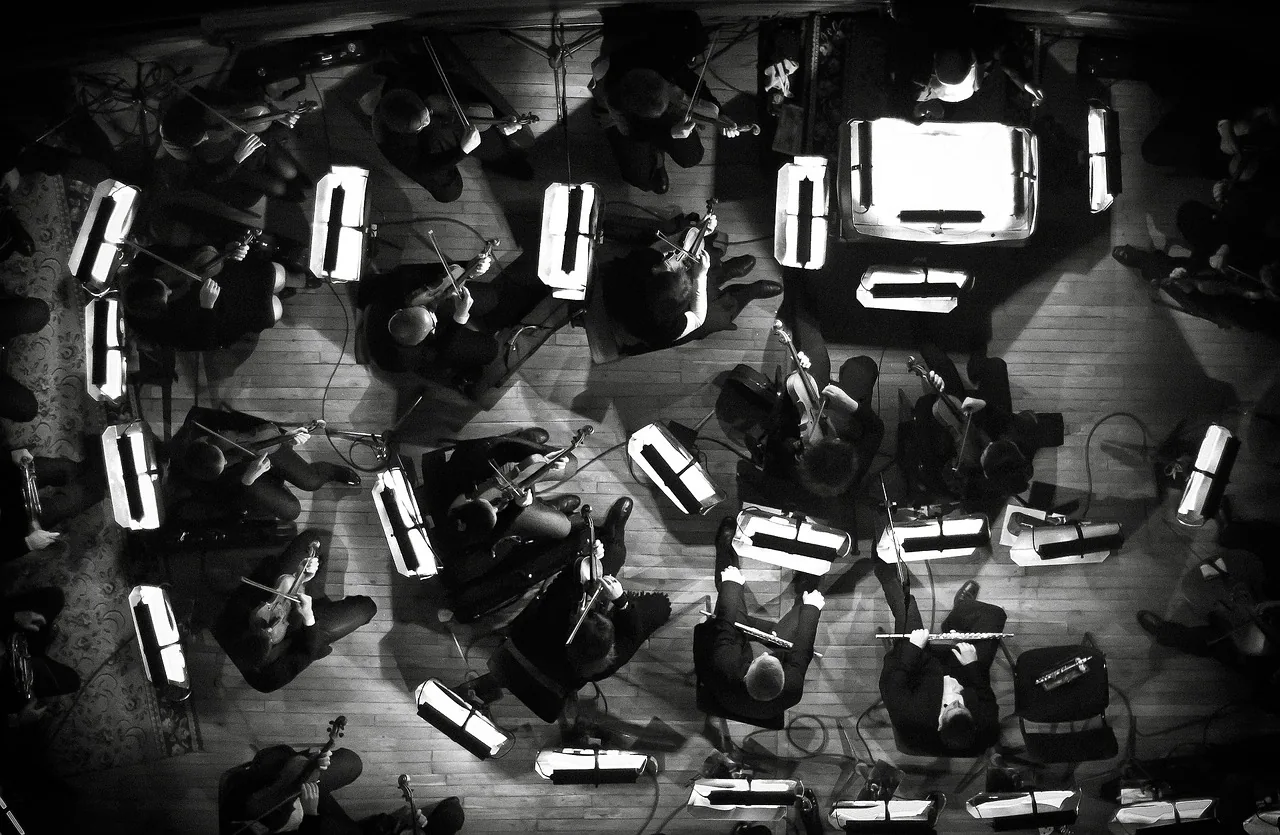
Debussy uses a restrained orchestra to suggest the ineffable. Harps and muted strings create a light, almost ethereal texture. This approach allows subtle and often elusive emotions to be conveyed.
Vincent d’Indy declared: “The impression of a truly great and beautiful work emerges from this score.” This quotation perfectly summarizes the effect of Debussy’s orchestration.
Vocal writing and its relationship to the text
The vocal writing, close to spoken declamation, reflects a desire for naturalism. Debussy avoids vibrato in order to remain faithful to the text. This technique highlights the words while preserving melodic fluidity.
“The melody is anti-lyrical […] it conveys the mobility of souls,” Debussy said. This idea guides his vocal approach, in which every phrase seems to flow naturally.
Leitmotifs and their meaning
Although discreet, the leitmotifs play a key role in the symbolic construction. Associated with elements such as water or the ring, they strengthen the coherence of the work. These musical motifs create subtle connections between scenes without ever becoming intrusive.
Silence also occupies an important place. It intensifies the dramatic tension, allowing emotions room to breathe. This use of silence contrasts with Wagnerian emphasis and favors subtlety.
| Element | Meaning |
|---|---|
| Water | Purification and death |
| Ring | Fleeting love |
| Forest | The unconscious and impulses |
Interpretations and stagings
Since its premiere, the work has inspired varied interpretations and innovative stagings. Each production attempts to capture the mysterious essence of the opera while adding a distinctive touch.
The first performances and their reception
In 1902, the first performance left the audience perplexed. The absence of traditional arias and the unusual narrative structure bewildered spectators. Some critics, however, recognized the modernity of the approach.
“A work that challenges convention and opens new perspectives,” declared one critic of the period. Despite its mixed reception, this creation marked a turning point in operatic art.
Modern adaptations
Contemporary stagings use technology to renew the experience. In 2012, Robert Wilson adopted a minimalist aesthetic, using LED lighting and projections to create a dreamlike atmosphere.
In 2009, Laurent Pelly transposed the story to the twentieth century, offering a new understanding of the characters. These adaptations show how relevant the work remains over time.
Its legacy in contemporary opera
This creation influenced composers such as Bartók and Janáček. Its symbolism and narrative approach paved the way for new forms of operatic expression.
Recent projects, such as Christophe Honoré’s production at the Opéra de Lyon, explore psychoanalytic approaches. These initiatives attest to the richness and complexity of this timeless work.
Conclusion: the eternal mystery of Pelléas et Mélisande
The work’s eternal mystery continues to captivate audiences. The symbolic world of Pelléas et Mélisande remains inexhaustible, inviting endless interpretations. Mélisande’s end, described as “gentle and misunderstood,” embodies the fragility of love and the complexity of human emotions.
This creation left its mark on culture, influencing literature, cinema, and painting. Its musical language, both timeless and modern, still resonates today. To rediscover the work, explore the landmark recordings that capture its essence.
As Debussy said: “Music is made for the inexpressible.” This mystery, at the heart of Symbolist art, makes Pelléas et Mélisande a universal and timeless work.