
FESTIVAL LAON
What Is an Orchestra?
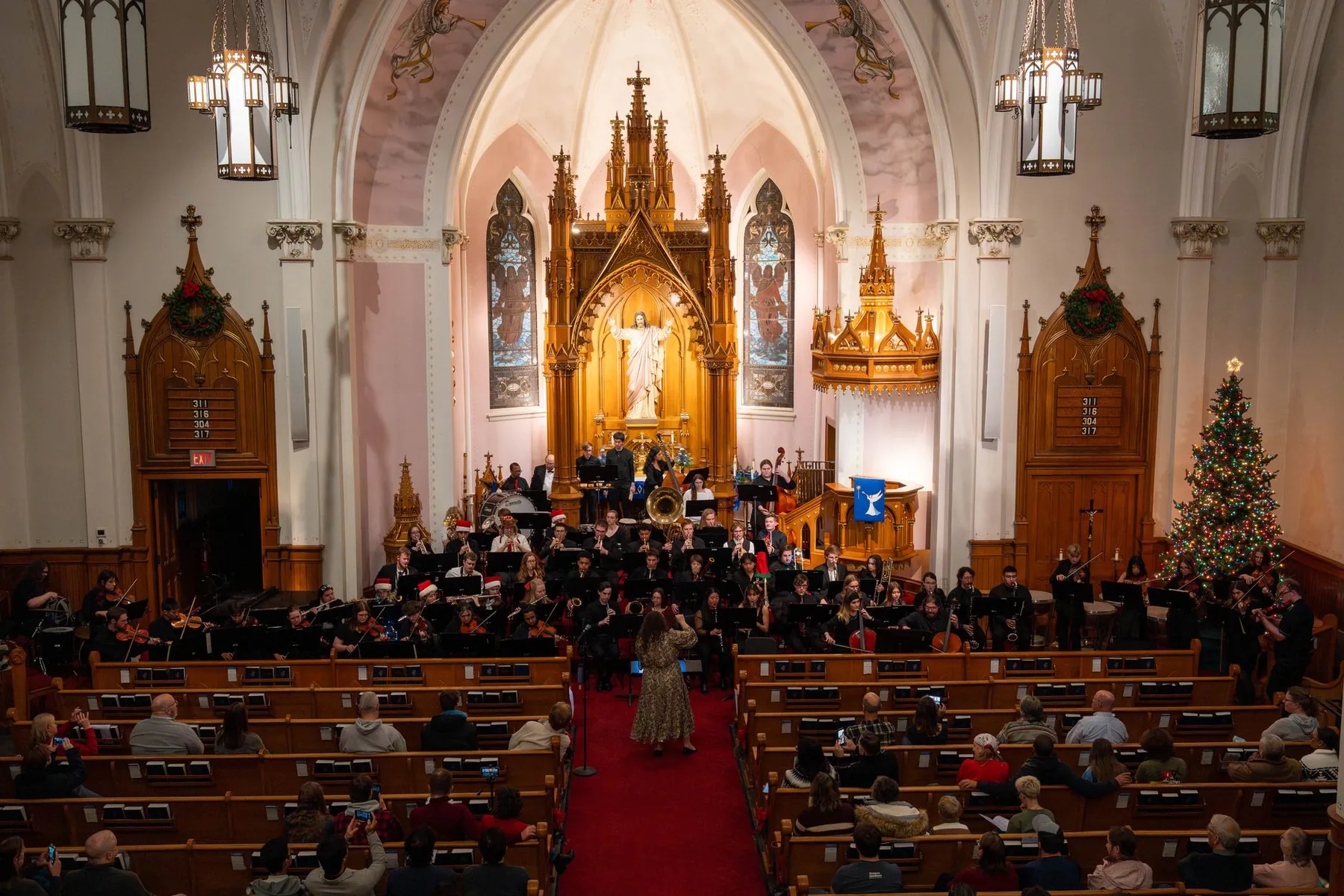
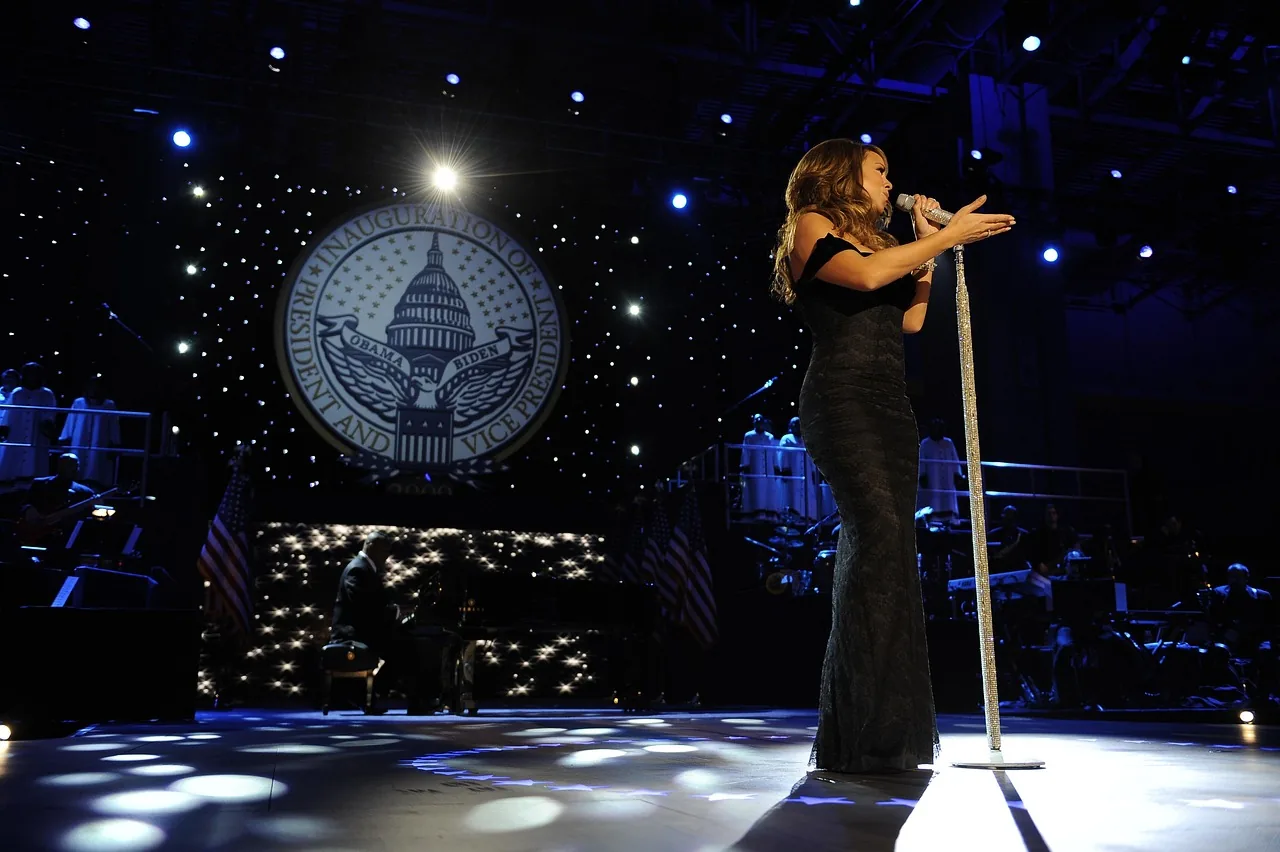
An orchestra is a complex, harmonious musical ensemble that brings together a varied group of instruments under the direction of a conductor. It is a powerful form of musical expression, capable of performing a vast repertoire ranging from classical music to contemporary compositions.
An orchestra is generally divided into several sections, each made up of specific instruments that may be traditional or somewhat more exotic, like those you can discover here: https://instruments-du-monde.com/en-us/. The string section, comprising violins, violas, cellos, and double basses, often forms the melodic core of the orchestra and produces rich, expressive melodic lines. Woodwind instruments, such as flutes, oboes, clarinets, and bassoons, bring subtle nuances and varied colors to the ensemble. Brass instruments, including trumpets, trombones, and horns, add power and brilliance, while the percussion section, with instruments such as drum kits, timpani, and drums, contributes rhythm and dynamics.
At the heart of this diverse ensemble is the conductor. Positioned at the front of the stage, the conductor directs the musicians with precise, subtle gestures, guiding the tempo, phrasing, and dynamics to create a coherent and emotionally captivating interpretation of the composition.
The history of the orchestra stretches back several centuries and has evolved with changing styles and musical eras. From imposing symphony orchestras to more intimate chamber ensembles, each orchestral formation offers a unique sound palette.
An orchestra, then, is much more than a simple gathering of instruments. It is a living musical entity, a harmonious fusion of individual artists guided by a conductor’s vision, creating profound and unforgettable musical experiences for audiences.
What Is the Difference Between a Symphony Orchestra and a Chamber Orchestra?
The main difference between a symphony orchestra and a chamber orchestra lies in their size, composition, and repertoire. These two types of musical ensemble have significant distinctions that affect their sound, dynamics, and approach to music.
A symphony orchestra is a large-scale orchestral ensemble made up of several instrumental sections. Strings, woodwinds, brass, and percussion are all represented, and the ensemble may comprise as many as a hundred musicians or even more. A symphony orchestra’s repertoire covers a broad range, from classical works by renowned composers to contemporary pieces. The scale of the symphony orchestra enables a rich, powerful sound palette suited to performing complex, expansive compositions.
By contrast, a chamber orchestra is smaller and more intimate. It generally consists of around 15 to 50 musicians and places greater emphasis on string instruments. Chamber orchestras perform a more limited repertoire and often focus on works written specifically for smaller forces. This configuration encourages closer interaction among the musicians, allowing for subtle musical communication and a clear interpretation.
Ensemble size also affects how these orchestras perform. Symphony orchestras are often found in larger concert halls, whereas chamber orchestras are better suited to smaller spaces, creating a more intimate experience for the audience.
The difference between a symphony orchestra and a chamber orchestra therefore lies in size, composition, and repertoire. While a symphony orchestra offers impressive power and diversity, a chamber orchestra favors intimacy and subtlety, with each bringing a unique dimension to musical exploration.
Which Instruments Make Up a Typical Orchestra?
A typical orchestra is made up of several instrumental sections, each contributing to the richness and diversity of the music produced. The string section often forms the largest contingent and includes instruments such as violins, violas, cellos, and double basses. These instruments play the principal melody and contribute to the orchestra’s overall sonic texture.
Woodwind instruments, such as flutes, oboes, clarinets, and bassoons, form another essential section. They add expressive nuances, color, and harmony to the ensemble. The brass section, featuring instruments such as trumpets, trombones, and horns, contributes power and brilliance and is often called upon during dramatic and majestic passages.
Percussion instruments, including drum kits, timpani, drums, and other rhythmic instruments, add rhythm and texture to orchestral performances.
Together, these sections create a complete and balanced orchestra. The conductor directs this diverse range of instruments, using precise gestures to coordinate entrances, tempos, and dynamics. The complex interplay between the various sections and instruments brings a captivating musical experience to life, whether it is a classical symphony, a contemporary composition, or an original work.