
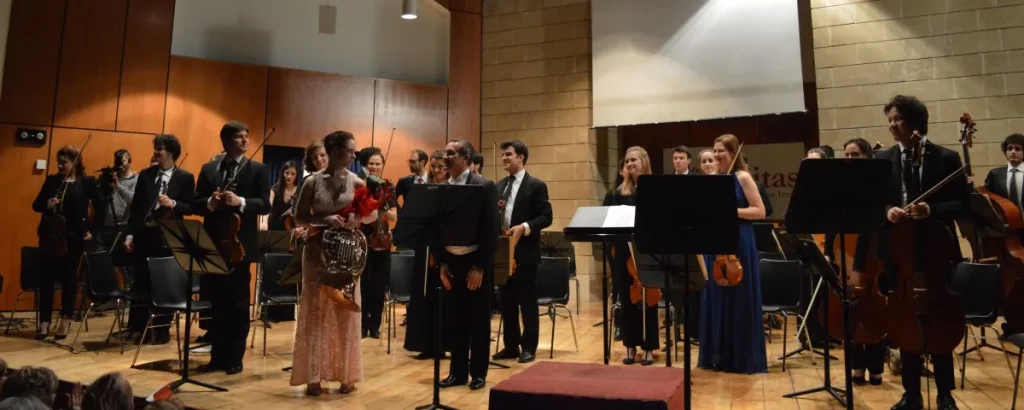
Musicians do not always look at the conductor, because the conductor’s job is not merely to keep time, but also to convey a vision of the work and provide interpretive guidance. The conductor plays a crucial role in the synchronization and interpretation of the musical work. However, musicians do not just watch the conductor. Some also follow their section leader for advice specific to their instrument. In addition, in smaller orchestras, the concertmaster may also direct the other musicians.
The relationship between the conductor and the musicians is therefore complex and requires subtle communication through gestures, eye contact, and facial expressions. Conducting is a demanding profession that requires extensive musical knowledge, experience, and leadership skills. A conductor’s gestures have precise meanings and convey the tempo, harmonic progressions, dynamics, and emotion of the work. However, there is no universal set of gestures, and every orchestra has its own traditions and ways of responding to the conductor’s movements. Ultimately, the relationship between the conductor and the musicians rests on trust, mutual listening, and the ability to tell a musical story.
Communication within an orchestra is therefore a major factor in ensuring a coherent interpretation of the work and a harmonious dynamic. In the following sections, we will take a closer look at the relationship between the conductor and the musicians, musicians’ concentration during a concert, and the conductor’s crucial role in maintaining the orchestra’s cohesion.
The relationship between the conductor and the musicians
Conductors must lead “with” the musicians rather than dominate them. A musical performance depends on the relationship between the conductor and the musicians, as well as on their ability to communicate effectively. The conductor acts as an interpreter between the score and the musicians, and their gestures are crucial in conveying their vision of the work.
The role of the conductor is multifaceted: the conductor must set the tempo, cue solo entrances, and indicate dynamics while maintaining perfect synchronization among the musicians. The conductor’s gestures may be subtle or expressive and vary depending on the work, the orchestra, or the audience. The conductor must pay close attention to both the musicians and the music, as well as to the interaction between them.
The relationship between the conductor and the musicians is built on trust and communication. The conductor must be able to galvanize the orchestra’s energy and tell a story through music. They must adapt to each orchestra, with its own tradition and musical culture, and encourage the musicians to give their very best.

The conductor’s gestures
The conductor’s gestures form a universal language for musicians, who can understand the nuances of the music through the conductor’s movements. These gestures may be broad or delicate, detailed or suggestive. Conductors can use their eyes, eyebrows, and smiles to communicate with the musicians and encourage them to play with greater passion.
The conductor must be able to communicate ideas to the orchestra through clear, precise gestures. They must be able to indicate tempo, volume, and intensity while allowing the musicians to express themselves with their own style and personality. The conductor’s gestures may differ according to the period, musical style, and individual conductor, but they always remain an essential tool of communication.
Musicians’ concentration during a concert
Moreover, in certain passages that are difficult to synchronize, musicians follow their section leader. Concentration is essential to ensuring a high-quality concert performance. Musicians must listen to one another and remain focused on the tempo and the conductor’s directions. This requires close attention and strong technical command of their instruments.
The orchestra’s dynamics are also important during concerts. Musicians must be able to respond quickly to the conductor’s directions to create a balanced, unified sound. If one musician plays too loudly or too softly, it can affect the quality of the performance and disrupt the concentration of the other orchestra members.
The musicians’ interpretation during a concert may vary depending on several factors. For example, the acoustics of the hall can affect how the sound is perceived and how the musicians interpret the music. Similarly, the conductor’s emotions can influence the way the musicians play. If the conductor is passionate and expressive, it may encourage the musicians to play with greater power and emotion.
Ultimately, the musicians’ concentration and interpretation during a concert depend heavily on the conductor’s crucial role. The conductor must convey a vision of the work to the musicians and guide their interpretation while maintaining the synchronization and coherence of the entire orchestra. The conductor’s movements and gestures have precise meanings and constitute codes that the musicians can understand. The conductor’s arms indicate tempo, meter, harmonic progressions, and dynamics, while their facial expression reflects the emotion or message conveyed by the musical work.
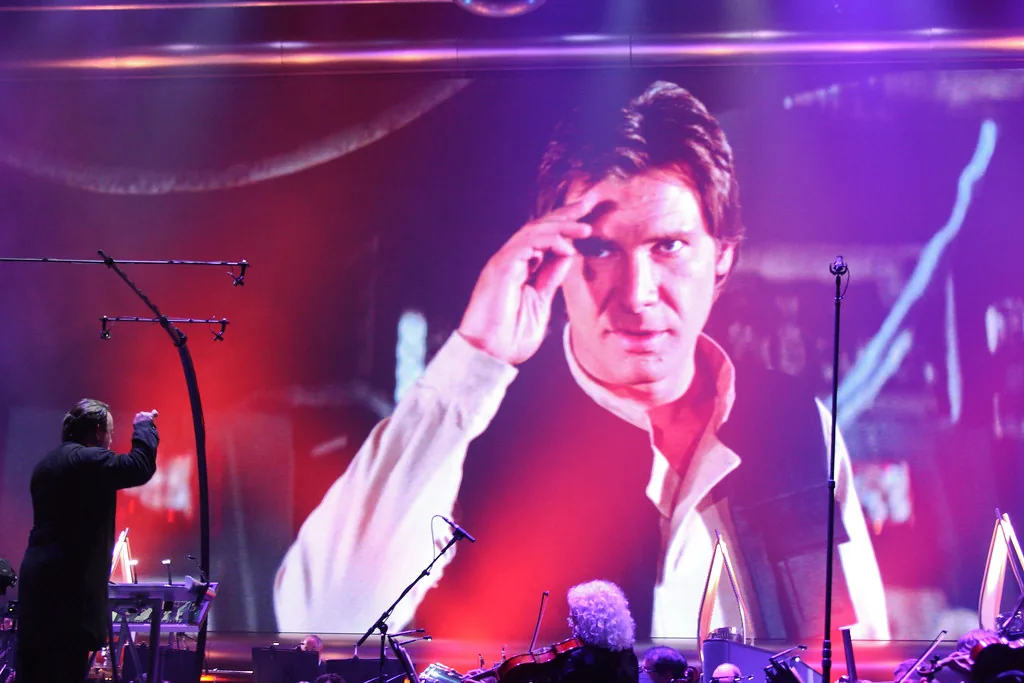
In short, communication and synchronization between the conductor and the musicians are essential to a successful concert performance. The conductor plays a crucial role in maintaining the musicians’ concentration and the orchestra’s dynamics, as well as in guiding their interpretation.
The conductor’s crucial role
The conductor’s function is therefore crucial to ensuring synchronization and harmony within the orchestra. But the role does not end there. The conductor is also responsible for the cohesion of the ensemble and the quality of its interpretation. To achieve this, the conductor must possess many artistic and organizational qualities.
Above all, the conductor must have extensive musical knowledge, particularly of instruments, harmony, and musical composition. They must also be able to adapt to different orchestras and musical traditions. This requires a keen ear and a deep understanding of the musicians with whom they collaborate.
But the conductor’s function goes far beyond musical knowledge alone. They must also be an excellent communicator and a charismatic leader. Their gestures and facial expressions must be clear and precise in order to convey emotion and guide the musicians in their interpretation. The conductor must have a clear vision of the work and how it should be interpreted, and must be able to communicate that vision effectively to the musicians.
In short, the conductor can be regarded as a sculptor of music. The conductor brings the interpretation of the work to life and conveys an artistic vision. This function is therefore crucial to ensuring the cohesion and quality of the orchestra’s musical interpretation.
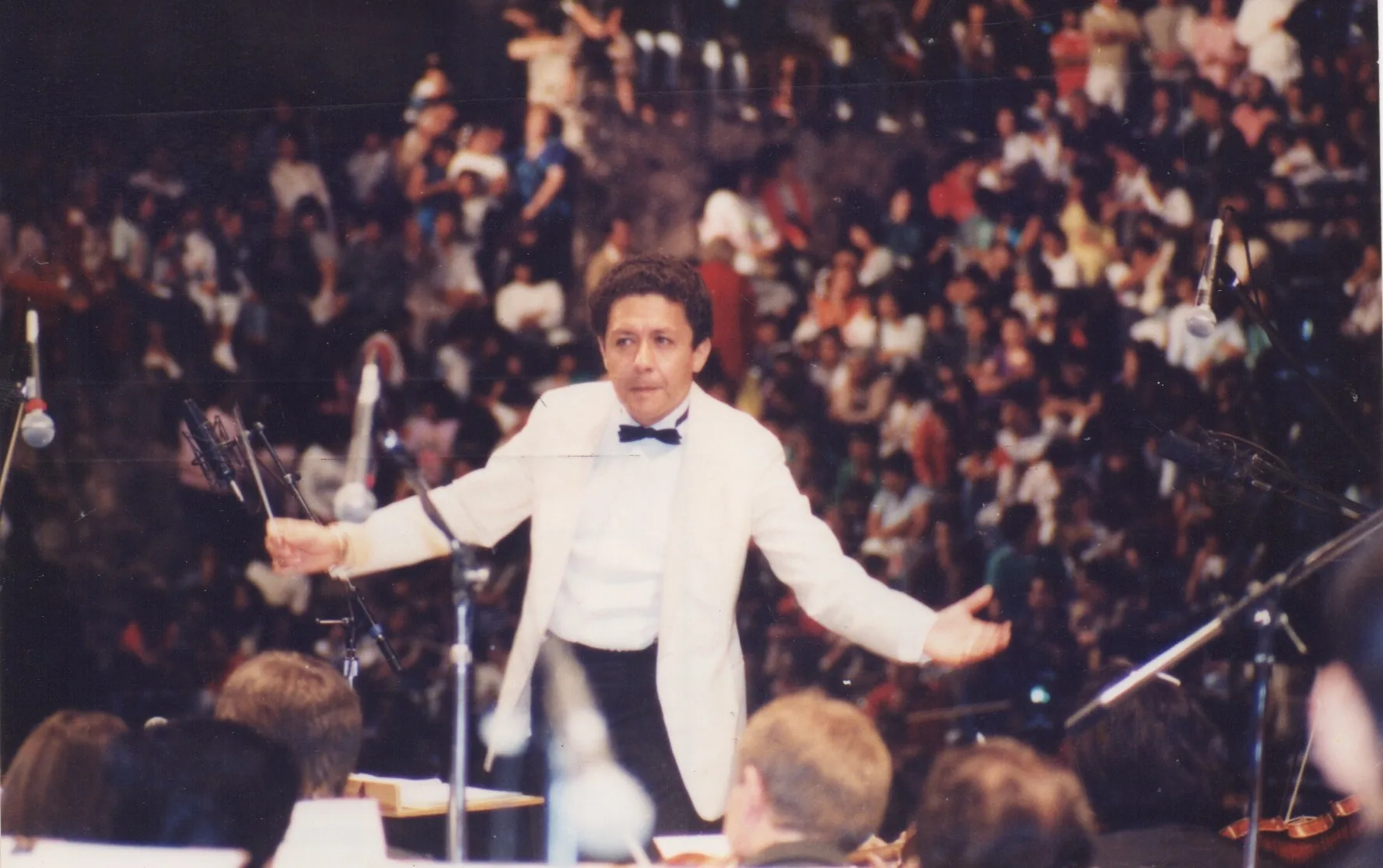
Becoming a conductor requires extensive musical study, as well as internships and practical experience. It is an exciting but demanding profession that requires an enormous amount of work and personal commitment. Nevertheless, for those with a passion for music and a desire to share their artistic vision, a career as a conductor can be extremely rewarding.
Conclusion:
In conclusion, musicians do not always look at the conductor because the conductor’s role is far more complex than simply keeping time. The conductor is the true link between the musicians in an orchestra and is responsible for the ensemble’s communication and synchronization. The conductor is also responsible for conveying the emotion of the work and guiding the musicians while respecting their individual interpretations.
The conductor therefore plays a crucial role in musical interpretation and harmony within an ensemble. The conductor’s presence and gestures are essential for guiding the musicians and conveying the emotion of the work. A conductor’s gestures have precise meanings that instrumentalists understand.
Becoming a conductor requires a genuine vocation, artistic and musical qualities, and organizational skills. The profession also demands a strong ability to adapt to different orchestras and traditions. Specialized training and internships are essential for pursuing this career.
In conclusion, the conductor is a true artist who sculpts the music and conveys a vision of the work. The conductor’s role is crucial to cohesion and harmony within an orchestra and deserves our full admiration and respect.
Sources
- https://www.ucdavis.edu/magazine/what-does-a-conductor-do
- https://symphonynovascotia.ca/faqs/symphony-101/what-are-the-roles-of-the-conductor-concertmaster-and-principals/
- https://en.wikipedia.org/wiki/Conducting
- https://www.berklee.edu/careers/roles/concertmasterconcertmistress
- https://philharmonia.co.uk/a-tribute-to-esa-pekka-salonen/
- https://www.nashvillesymphony.org/media/1575/firebird13-14curriculumgrades3-4.pdf
- https://arxiv.org/abs/1904.10340
- https://experts.umn.edu/en/publications/gestural-analysis-and-classification-of-a-conductors-movements/