
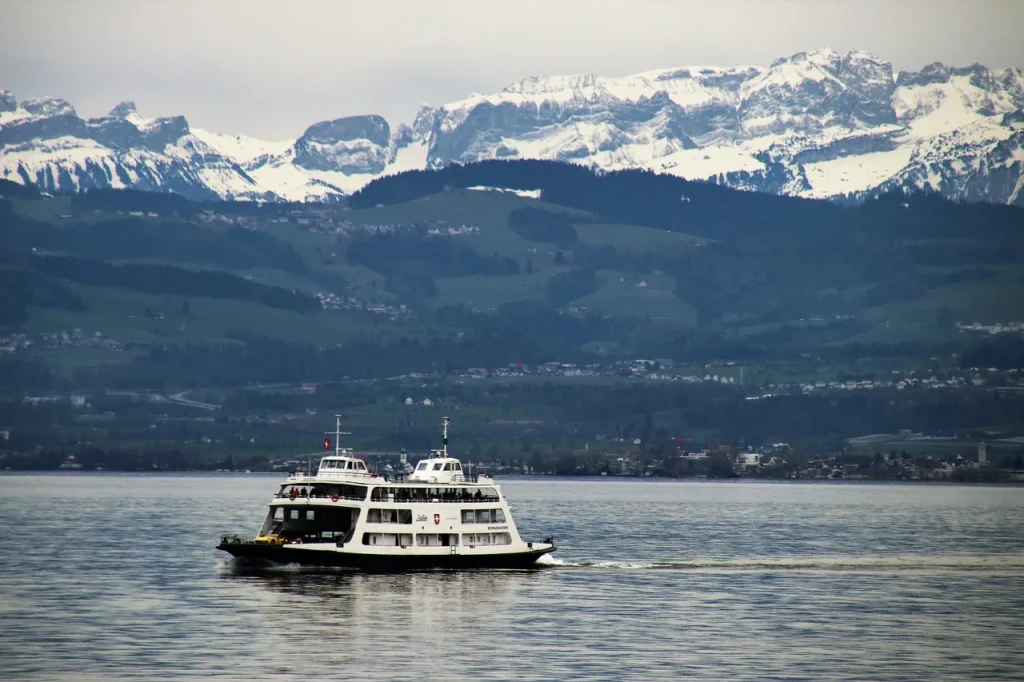
Richard Wagner was born on May 22, 1813, in Leipzig. He is regarded as one of the greatest composers of classical music. His opera “The Flying Dutchman” embodies the spirit of German Romanticism. It combines captivating music with theatrical drama.
Inspired by a storm in Norway, this work demonstrates Wagner’s ingenuity. It explores universal themes in a unique way.
We will explore Wagner’s biography, his early career, and how it influenced “The Flying Dutchman.” Wagner sought to capture the human soul in his opera. He faced difficulties, particularly financial ones, which affected the size of orchestras.
For more details about orchestras, see this article about philharmonic orchestras.
Biography of Richard Wagner
Richard Wagner, a major composer, was born on May 22, 1813, in Leipzig. His biography of Richard Wagner reveals a unique journey. He grew up in a family connected to the theater, which stimulated his creativity. After his father’s death, his mother, Johanna Rosine Pätz, raised him. His stepfather, Ludwig Geyer, an actor, influenced his childhood.
Wagner’s early career
Wagner began his musical career relatively late, at the age of 15. His first work, “The Fairies,” was not performed during his lifetime, but it marked the beginning of his career. In Leipzig, he studied music and explored various forms of creative expression.
The Paris years
Wagner arrived in Paris in the 1830s. This period was marked by both successes and hardships. There he met Franz Liszt, who influenced his style. Despite setbacks, including the failure of his opera “The Flying Dutchman,” he forged his musical identity. His distinctive style transformed the operatic landscape.
The Flying Dutchman: overview and context
“The Flying Dutchman,” or “Der Fliegende Holländer,” is an opera by Richard Wagner, first performed in Dresden in 1843. It was a pivotal moment in his career. Wagner drew inspiration from a storm he experienced while traveling to London. This experience influenced his opera, which foregrounds sacrifice and redemption.
Wagner was experiencing financial difficulties and had to sell the rights to his opera. This contributed to the creation of a unique work that explores profound emotions.
The opera is steeped in maritime themes and wandering. It combines stories drawn from maritime mythology with a new conception of music. Wagner incorporated elements of his own life, which influenced his later works.
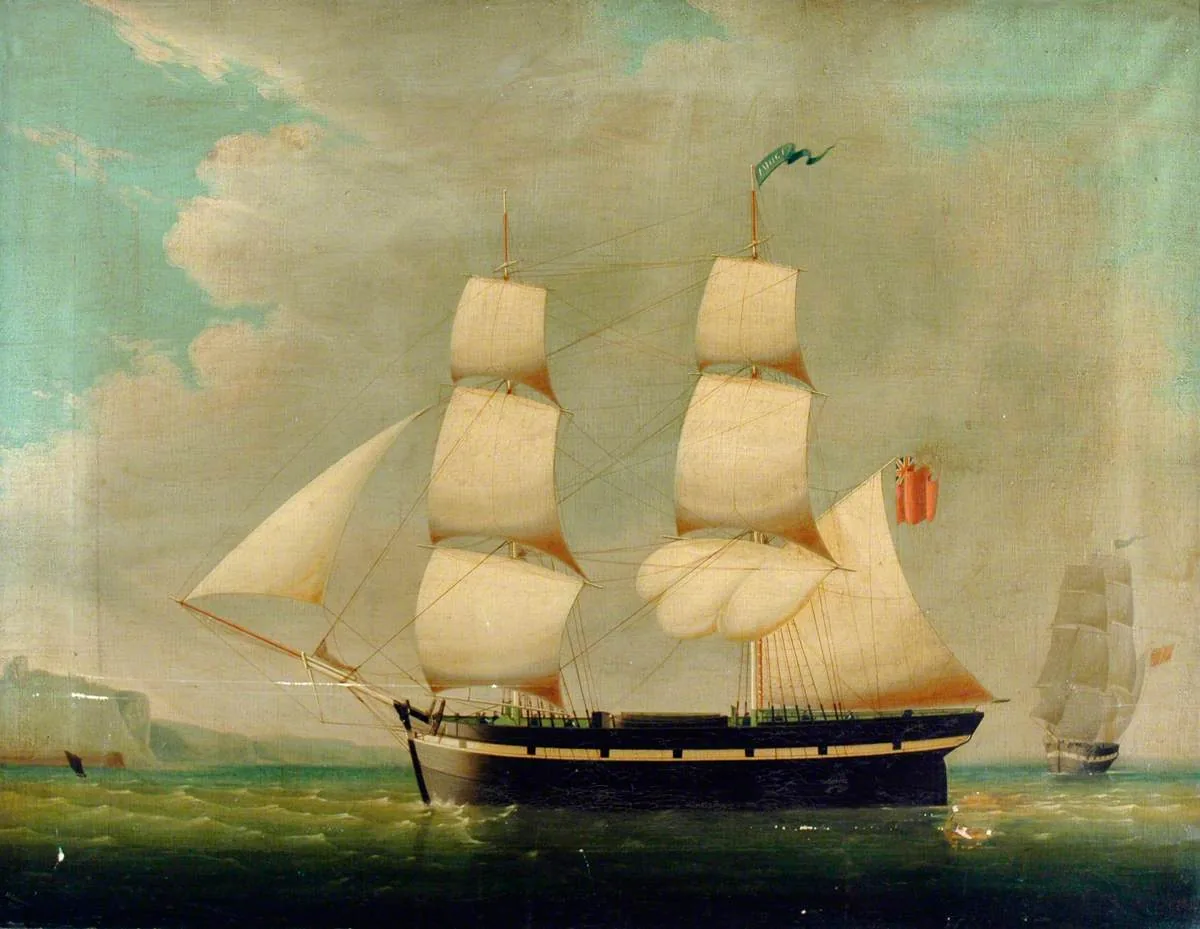
With “The Flying Dutchman,” Wagner created a powerful connection between emotion and music. This cemented his reputation as an innovative composer.
Wagner’s writings shed light on his inspiration and reflections on this opera.
Richard Wagner: the inspiration behind The Flying Dutchman
Richard Wagner’s travels profoundly shaped his music. His crossing of the Baltic Sea, for example, was a major source of inspiration. During a storm, he experienced powerful emotions that influenced his music.
He was inspired by Nordic landscapes and Norwegian fjords. These experiences fueled his creativity. To learn more, explore Richard Wagner’s travels and their influence on his music.
The journeys and their influences
Wagner met many people and experienced important events during his travels. Each journey enriched his work by adding magical and timeless elements. He explored themes such as wandering, sacrifice, and redemption.
He skillfully incorporated these themes into his music, demonstrating the influence of his travels on his art.
Recurring themes in Wagner’s work
Wagner used themes such as wandering, sacrifice, and redemption in his works. In “The Flying Dutchman,” the main character seeks redemption. This theme also appears in “Tristan and Isolde.”
Wagner created a system of musical motifs to reinforce these themes. It demonstrates his talent and is an integral part of his musical identity.
Mythological and cultural narratives
Richard Wagner drew inspiration from mythological narratives and the legends of German culture. His opera combines these narrative elements with maritime themes and Viking stories. Music thus becomes a means of exploring the human soul.
Stories of lost sailors and epic quests add a dramatic dimension to his works. These mythology-related narratives evoke turbulent periods in German history. Wagner reflects on these issues, blending culture and art.
Wagner attracted the attention of many artists through his innovative approach. He sought to create a dialogue between disciplines, in keeping with his dream of a total work of art. For more details about his influence, read this article on Wagner’s artistic influences.
| Mythological narrative | Description | Influence on Wagner |
|---|---|---|
| Vikings | Myths of warriors and the sea. | Themes of heroism and fate. |
| Legend of the Nibelungs | An epic centered on a cursed treasure. | Elements of tragedy and family drama. |
| Die Walküre | The Valkyries and the fate of heroes. | Exploration of choice and sacrifice. |
| Maritime myths | Stories of sea voyages and adventures. | Symbolism of the unknown and wandering. |
Critical reception and later influence
The critical reception of “The Flying Dutchman” was highly mixed. Some appreciated its originality, while others were more reserved. Over time, however, the opera became a classic.
The influence of Wagner reached many composers, including Gustav Mahler and Arnold Schoenberg. They were inspired by Wagner’s innovations. In 1885, the Revue wagnérienne helped popularize his works in France.
The pro-Wagner movement sparked fierce debates and passionate reactions. These events strengthened his influence and interest in his operas. Today, his works continue to inspire concert performances.
| Year | Event | Reception |
|---|---|---|
| 1833 | First mention of Wagner in the French press | Early appreciation of his symphonies |
| 1869 | First performances of “Rienzi” | Mixed reactions from critics |
| 1885 | Founding of the “Revue wagnérienne” | Active promotion of Wagner’s works |
| 1885–1887 | Debates surrounding “Lohengrin” | Major controversies in Paris |
Wagner’s critical and artistic journey demonstrates his enduring influence. His legacy still shapes performances today.
Conclusion
Richard Wagner and his opera The Flying Dutchman captivate audiences and artists around the world. He combined his own experiences, literary influences, and social contexts to create a unique work. It has endured through the ages and continues to inspire today.
Wagner transformed music into a powerful vehicle for emotion and storytelling. He linked his personal experiences to his works. His early attempts marked the beginning of his musical career. These innovations transformed music and opera.
In short, Wagner and The Flying Dutchman form a unique blend of music and literature. They reflect the tensions and aspirations of his time. Wagner left an immense legacy, affirming his importance in the history of music.