
How many musicians make up a philharmonic orchestra? There is no single answer to this question, because an orchestra’s size can vary according to many factors, such as the musical work, the period, the composer, and the type of orchestra. For example, in 1788, Wolfgang Amadeus Mozart’s orchestra had around 35 musicians, whereas Gustav Mahler conducted an orchestra of more than 1,000 performers in 1910. Over the course of history, the symphony orchestra has evolved and expanded with the introduction of new instruments and the enlargement of concert halls. Today, a large symphony orchestra may have more than 80 musicians, or even more than 100.
The orchestra’s precise composition depends on the work being performed, but it generally includes the following instrument families: strings, winds (woodwinds and brass), and percussion. Each section of the orchestra, such as the first violins, oboes, clarinets, or bassoons, consists of a principal player and other musicians known as section players. The concertmaster has a hierarchical role and often represents the orchestra in dealings with the conductor. The arrangement of the sections can vary, but, as a general rule, the strings are placed at the front, followed by the winds, and then the percussion. The strings are divided into sections: first violins, second violins, violas, cellos, and double basses. The woodwinds may include flutes, oboes, clarinets, and bassoons, sometimes supplemented by saxophones.
Because of their size and organization, philharmonic orchestras require attentiveness, discipline, and hard work from their musicians to achieve perfect harmony. The conductor plays an essential role by directing the ensemble and conveying an interpretation of the musical work to the musicians. In short, the exact composition and size of a philharmonic orchestra may vary, but it is the musicians’ passion and talent that bring symphonic music to life.
The Influence of Musical Composition and the Work Being Performed
In the eighteenth century, the famous composer Mozart wrote symphonies for an orchestra of around 35 musicians, whereas Gustav Mahler’s “Symphony of a Thousand” involves more than 1,000 performers, including around 150 musicians and several hundred choristers. This shows that the orchestra’s size and composition depend largely on the musical composition and the work being performed.
Indeed, every musical composition has specific instrumentation requirements. For example, a symphony requiring many string parts will need more string players, whereas a symphony emphasizing wind instruments will require more musicians who play those instruments. The work’s specific requirements therefore determine the size and makeup of the orchestra.
Composers also play an important role in shaping the orchestra. They may choose to include unusual instruments or use novel instrumental combinations to achieve unique effects. For example, the French composer Hector Berlioz included an ophicleide part in his Symphonie fantastique, although the instrument is rarely used in the symphony orchestra.
Finally, practical and financial considerations can also influence the orchestra’s size and composition. Orchestras have limited budgets and must therefore make choices to accommodate financial constraints. Composers must also take the available resources into account when producing their music.
In short, the orchestra’s size and composition are closely linked to the musical composition and the work being performed. Composers play a key role in determining an orchestra’s specific requirements, while practical and financial considerations can influence these decisions. The orchestra is a living instrument that evolves with different periods and artistic creations.
Distinctive Features Associated with Countries and Works
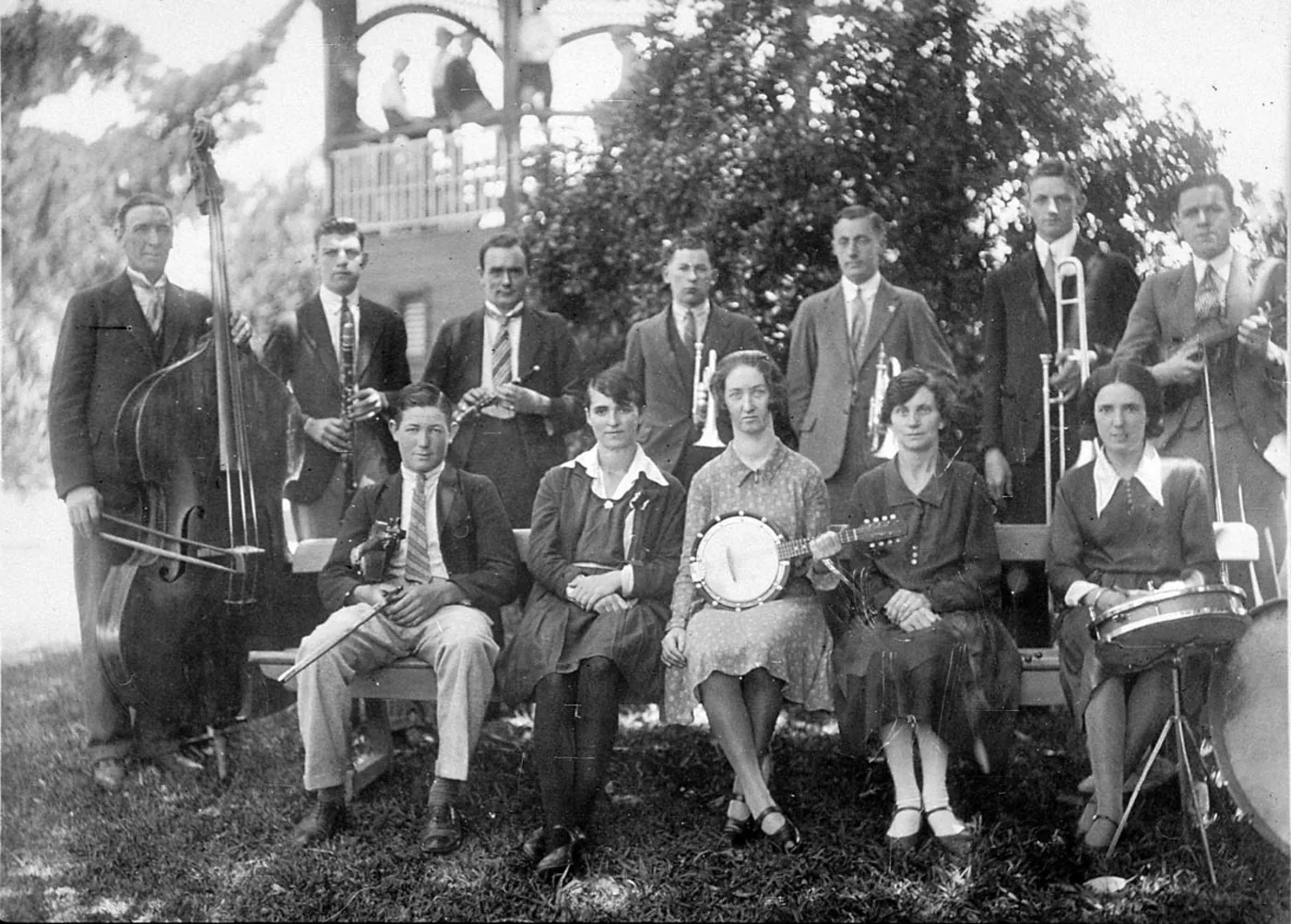
The size of a philharmonic orchestra also depends on the distinctive traditions of each country, with variations in instrumental makeup. French orchestras tend to have more cellos than double basses, whereas Italian orchestras favor double basses over cellos. In Russia, symphony orchestras traditionally have larger brass sections, while German orchestras have larger string sections. Orchestral composition is also influenced by the musical work being played, as some compositions require larger forces than others.
In the twentieth century, political and economic upheavals led to a reduction in the size of orchestras in many countries. The number of players was reduced for financial reasons, leading to the creation of smaller orchestras, such as sinfoniettas and chamber orchestras. However, each type of orchestra has its own composition, whether it is a symphony orchestra, concert band, brass band, or string orchestra.
The conductor plays a crucial role in directing and organizing the orchestra, ensuring that every musician performs their part harmoniously and in coordination with the others. Each orchestra therefore has its own distinctive features, influenced by the country, period, and musical genre involved.
The Orchestra’s Precise Composition
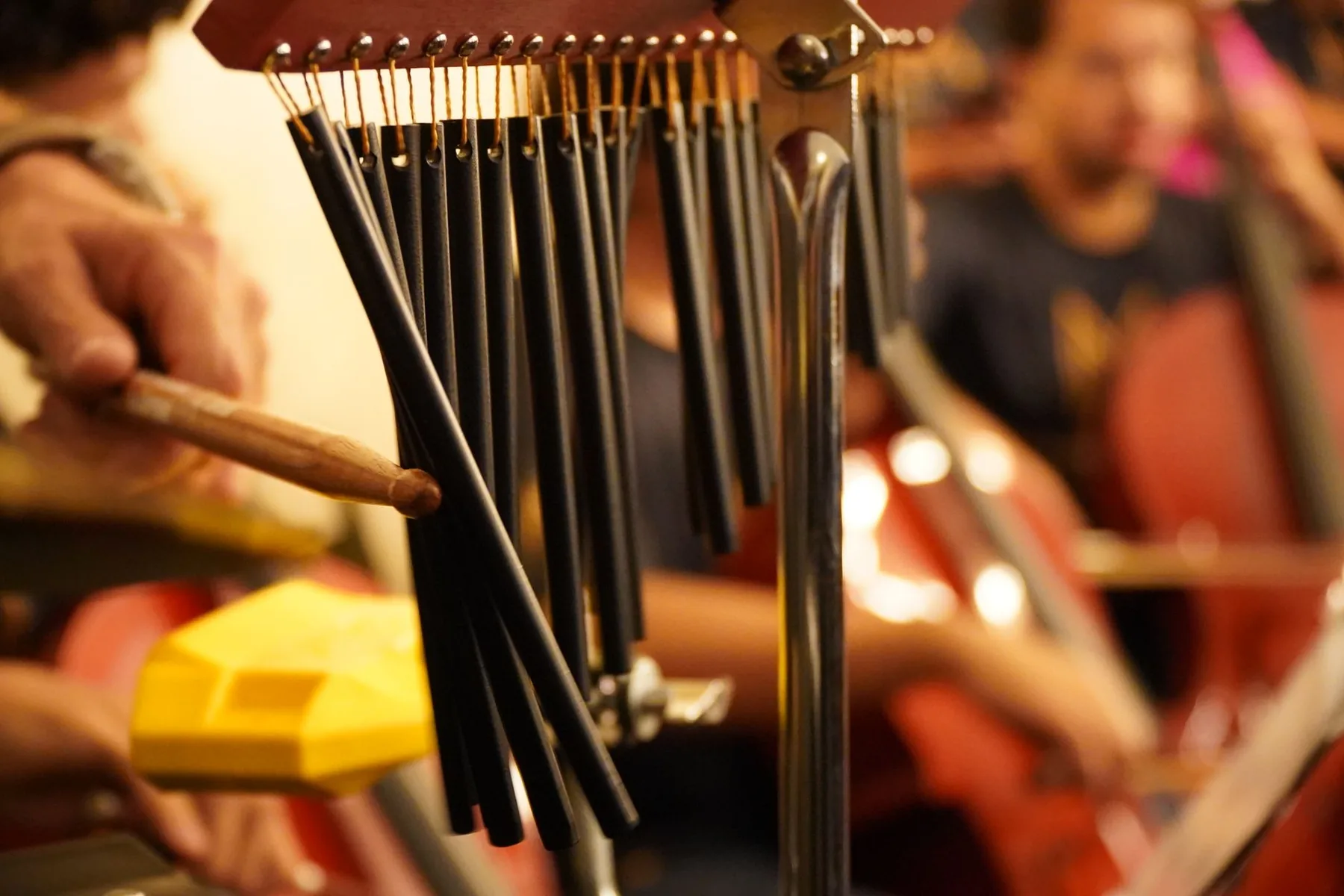
The precise composition of a philharmonic orchestra depends on the work being performed, but it generally includes three instrument families: strings, winds (woodwinds and brass), and percussion. Each section includes a principal player and other musicians known as section players. The strings are divided into first violins, second violins, violas, cellos, and double basses, while the winds may be divided among horns, trumpets, trombones, tubas, flutes, oboes, clarinets, and bassoons. The flutes may include a piccolo, and the reed instruments may include an English horn, bass clarinet, or alto saxophone. Percussion instruments are also present in the orchestra. The conductor directs the ensemble, ensuring the cohesion and accuracy of the musical work’s interpretation. Every musician must play their own part while following the others in order to create a harmonious dialogue between the instruments.
The strings, consisting of violins, violas, cellos, and double basses, form an essential part of the orchestra and are placed at the front, in the center of the stage. The violins are often divided into first and second violins, with the cellos and double basses positioned behind them. The winds, comprising woodwinds and brass, are arranged behind the strings, with the woodwinds placed close to the conductor. The percussion section is at the rear of the stage, often behind the brass and woodwinds.
The orchestra’s instruments may differ according to the works being performed. For example, a Baroque work may include neither flute nor clarinet, whereas a Romantic or modern work may include instruments such as the saxophone or guitar.
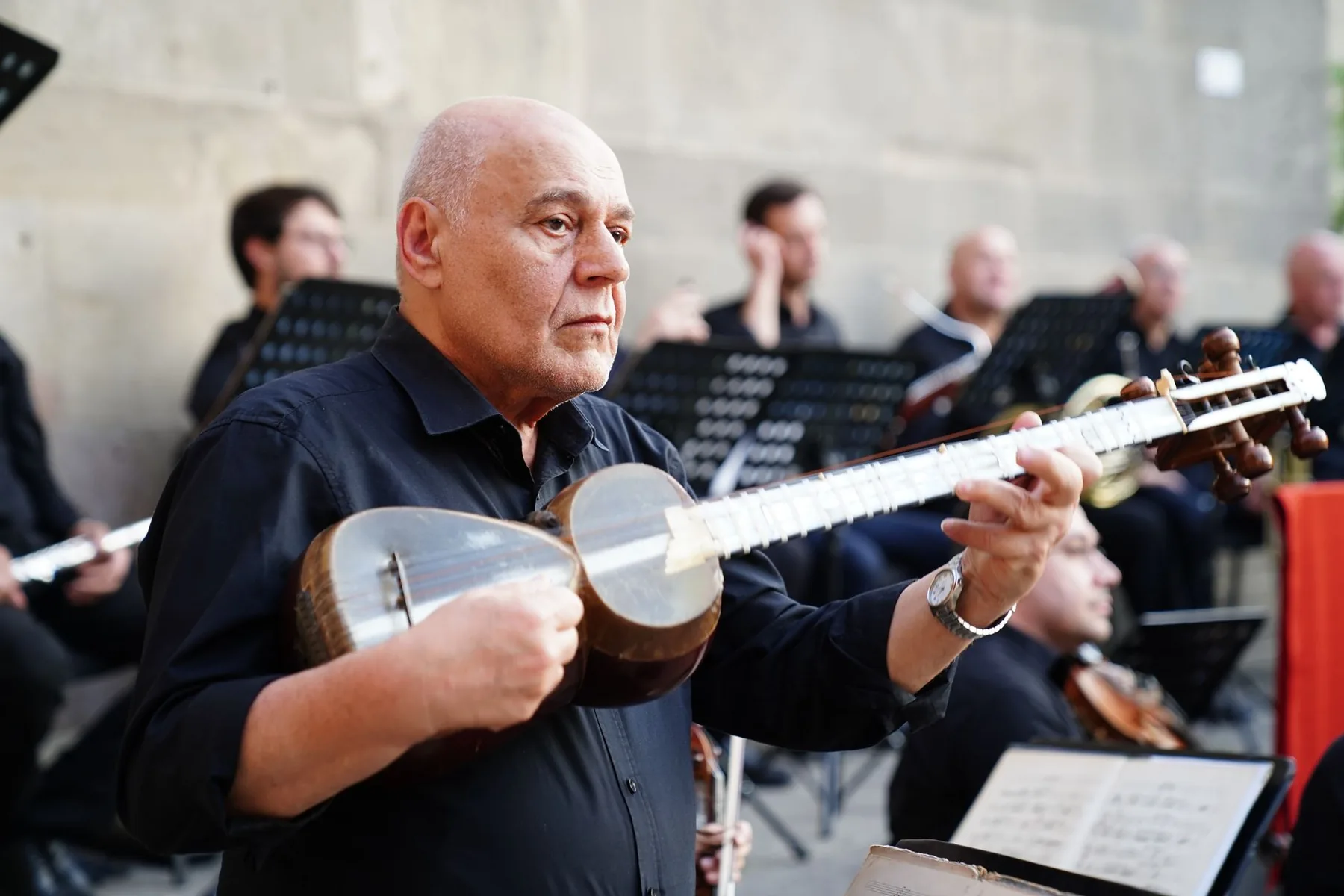
The orchestra’s precise composition is crucial to producing the sound appropriate for the musical work. The musicians must be in harmony with one another, not only in terms of pitch and tempo, but also in dynamics and volume. The conductor directs the ensemble and gives instructions to help the musicians play together and create a magnificent musical performance.
Conclusion
In conclusion, the number of musicians in a philharmonic orchestra varies according to many factors, such as the composer, the period, the repertoire’s genre, and the distinctive traditions of each country. Throughout music history, the orchestra’s size, composition, and function have evolved. The earliest orchestral ensembles consisted of various instruments and were primarily intended to accompany opera and theater. Over time, the orchestra’s makeup became standardized with the emergence of the different instrument families: strings, winds, and percussion. Today, a modern symphony orchestra may have more than one hundred musicians and is used to perform symphonic or concertante works in concert halls.
The conductor plays a vital role in coordinating and interpreting the music. The orchestra’s size and composition can vary according to the work being performed and the institution’s funding. In the twentieth century, orchestras became significantly smaller because of political upheavals and economic crises. Despite this, the orchestra remains an ever-evolving musical ensemble, influenced by artistic needs and financial constraints.
Immerse yourself in this fascinating world of music and discover the diversity of the philharmonic orchestra. With its many distinctive features, including variations in composition according to the country and the work, the philharmonic orchestra offers every music lover a unique and unforgettable experience.
Source Links
- https://en.wikipedia.org/wiki/Symphony_orchestra
- https://omeka-s.grinnell.edu/s/MusicalInstruments/page/symphorch
- https://www.merriam-webster.com/dictionary/orchestra
- https://www.kajimotomusic.com/eng/artists-projects/orchestre-philharmonique-de-radio-france/
- https://philharmoniedeparis.fr/en/orchestre-de-paris
- https://www.carnegiehall.org/Education/Programs/Link-Up/New-York-City/Instrument-Families
- https://www.music-workshop.co.uk/resources/blog/the-orchestra/
- https://www.esm.rochester.edu/beethoven/orchestra-discussions/