
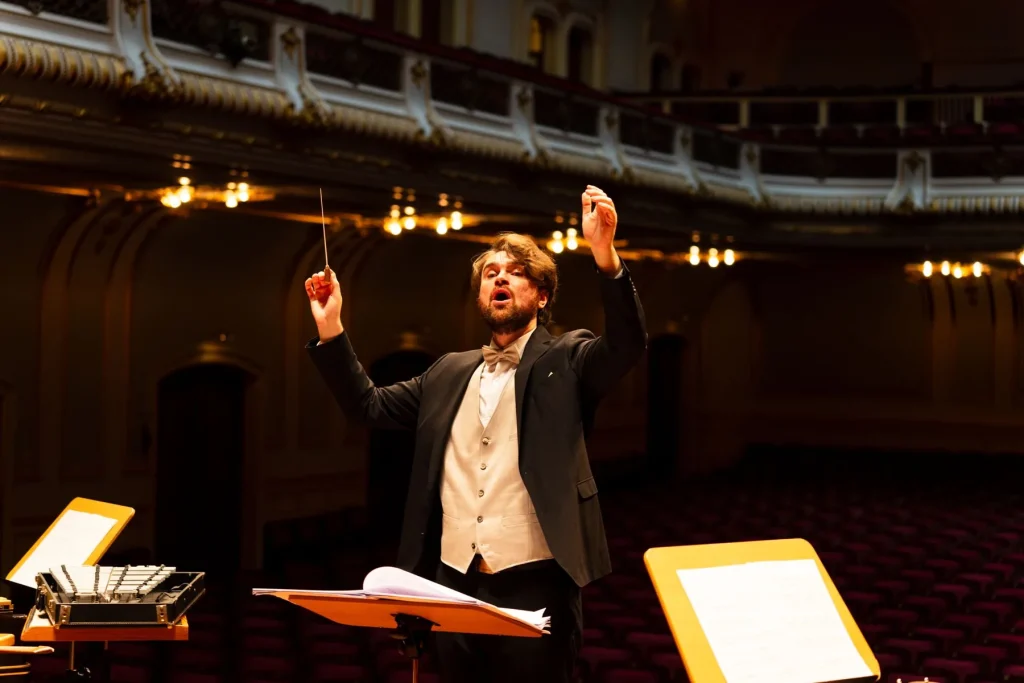
Discover how to become an orchestra conductor easily by following a professional path in music. If you are passionate about music and have technical skills, energy and firmness, as well as musical and artistic qualities, you can become a conductor. However, advanced musical studies are essential for success in this career, preferably at a renowned conservatory such as the Conservatoire national supérieur de musique et de danse de Paris.
Once qualified, you can begin as an assistant to an accomplished conductor. Career opportunities often involve conducting philharmonic orchestras, but require dedication and a willingness to travel. As for pay, conductors at the beginning of their careers may earn between €3,000 and €5,000 gross per month, in addition to concert fees. Internationally renowned conductors may earn up to one million euros per year.
The path to becoming a conductor generally begins between the ages of 18 and 20, after completing secondary school. The Conservatoire national supérieur de musique et de danse de Paris offers a bachelor’s-master’s program in orchestral conducting, while other private institutions also offer advanced programs in this field. A typical applicant has received comprehensive musical training from an early age and possesses an extensive knowledge of theoretical subjects. Selection is through an entrance examination covering musical training, sight-reading and music theory, as well as practical conducting exercises.
Once qualified, conductors can launch a professional career by completing placements with professional orchestras and taking part in international competitions. A particularly desirable route is to become an assistant conductor with a national ensemble. The conductor’s role is gradually evolving, with the profession becoming increasingly open to women. Experience abroad and international mobility are also essential elements of conductors’ professional training and recognition.
Skills Required to Become a Conductor
Conducting requires not only technical skills, but also a true vocation and innate talent. To succeed in this field, it is essential to have a passion for music, along with advanced musical and artistic abilities. Conductors need organizational and teamwork skills, energy and firmness, as well as the physical stamina required to conduct large orchestras.
To become a conductor, you must pursue advanced musical studies, preferably at a prestigious conservatory such as the Conservatoire national supérieur de musique et de danse (CNSMD) de Paris. In addition to public institutions, private institutions also offer advanced programs in orchestral conducting.
| Skills required to become a conductor |
|---|
| Extensive knowledge of musical instruments |
| Strong musical and artistic abilities |
| Organizational and teamwork skills |
| Energy and firmness |
| Physical stamina |
Once qualified, a conductor can lead philharmonic orchestras, but must be prepared to make compromises and travel. In terms of pay, a philharmonic conductor at the beginning of their career may earn between €3,000 and €5,000 gross per month, with concert fees that may range from €8,000 to €20,000 gross. Renowned international conductors may earn more than one million euros per year.
In short, the path to becoming a conductor generally begins between the ages of 18 and 20, after completing secondary school. The Conservatoire national supérieur de musique et de danse (CNSMD) de Paris offers a five-year bachelor’s-master’s program in orchestral conducting, while other private institutions also offer training. Selection is through an entrance examination that assesses the applicant’s level of musical training, as well as their sight-reading and music-theory skills. Once qualified, a conductor can launch a professional career by completing placements with professional orchestras and taking part in international competitions. It is also possible to become an assistant conductor with a national ensemble. The conductor’s role is evolving toward a less authoritarian approach and greater recognition of women in the profession.
Studies and Training to Become a Conductor
To become a conductor, it is advisable to undertake advanced musical studies at a regional or departmental conservatory. The Conservatoire national supérieur de musique et de danse (CNSMD) de Paris is one of the prestigious institutions offering comprehensive training in orchestral conducting. It is also possible to study orchestral conducting at the École normale de musique Alfred Cortot.
The path to becoming a conductor generally begins between the ages of 18 and 20, after completing secondary school. The training program lasts approximately five years. Applicants must have a thorough knowledge of musical instruments, energy, firmness, musical and artistic qualities, and good organizational and teamwork skills.
Admission to orchestral-conducting programs is determined through an entrance examination. Applicants are assessed on their musical training, sight-reading and music theory. They must also complete conducting tests during which the jury evaluates their ability to communicate with musicians and their musical interpretation.
Once qualified, conductors can embark on a professional career. They may work with philharmonic orchestras in major cities. However, they must be prepared to make compromises and travel frequently, as working hours vary and include evenings and weekends.
At the beginning of their careers, philharmonic conductors generally earn between €3,000 and €5,000 gross per month. Concert fees, which range from €8,000 to €20,000 gross early in a career, are added to the monthly salary. Internationally renowned conductors may earn more than one million euros per year.
The conducting profession is gradually evolving, with a less authoritarian approach and a desire to share an artistic vision. Women are also receiving growing recognition in this role, with an increasing number of women conductors working with permanent orchestras. However, there is still some way to go before gender parity is achieved.
In conclusion, becoming a conductor requires advanced musical studies, training at a prestigious conservatory such as the CNSMD de Paris, and a willingness to make compromises and travel. The profession offers opportunities with philharmonic orchestras, but competition is fierce. Pay varies according to the conductor’s reputation and experience.
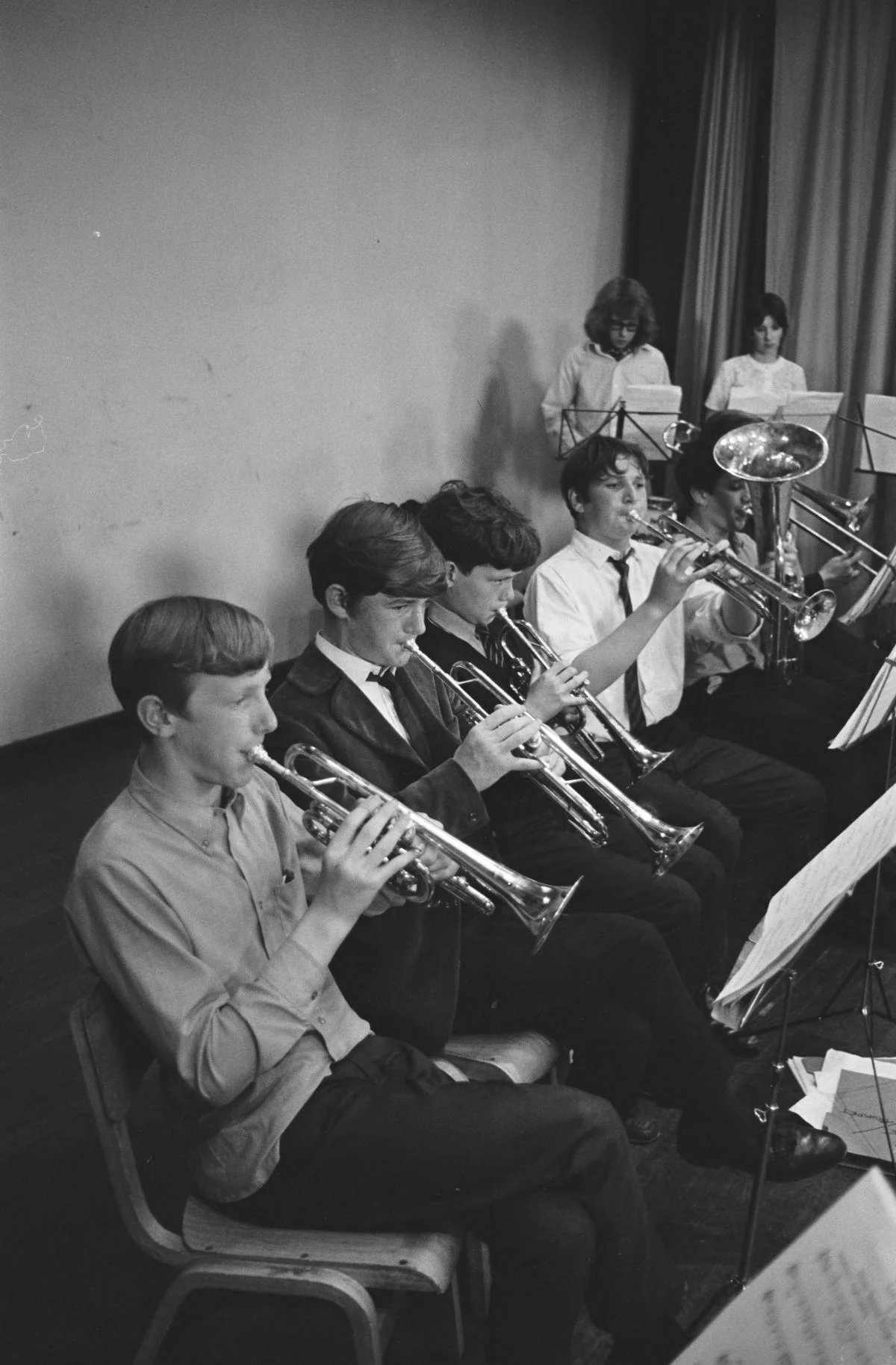
Career Prospects and Opportunities for Conductors
Career opportunities are often linked to philharmonic orchestras, but conductors must be prepared to make compromises and travel frequently. Opportunities for conductors of smaller ensembles are also limited, which may require a very specific career choice and direction.
Conductors wishing to begin a professional career often have to accept temporary or interim positions with less prominent orchestras or chamber ensembles. The most attractive opportunities are found in the most prestigious philharmonic orchestras, but competition is often fierce. To succeed in this profession, it is therefore essential to work tirelessly and do everything possible to become known.
In terms of pay, a philharmonic conductor at the beginning of their career may earn between €3,000 and €5,000 gross per month, in addition to concert fees. Renowned international conductors may even earn more than one million euros per year. However, it is important to remember that this career should be driven not by money, but by passion and a love of music.
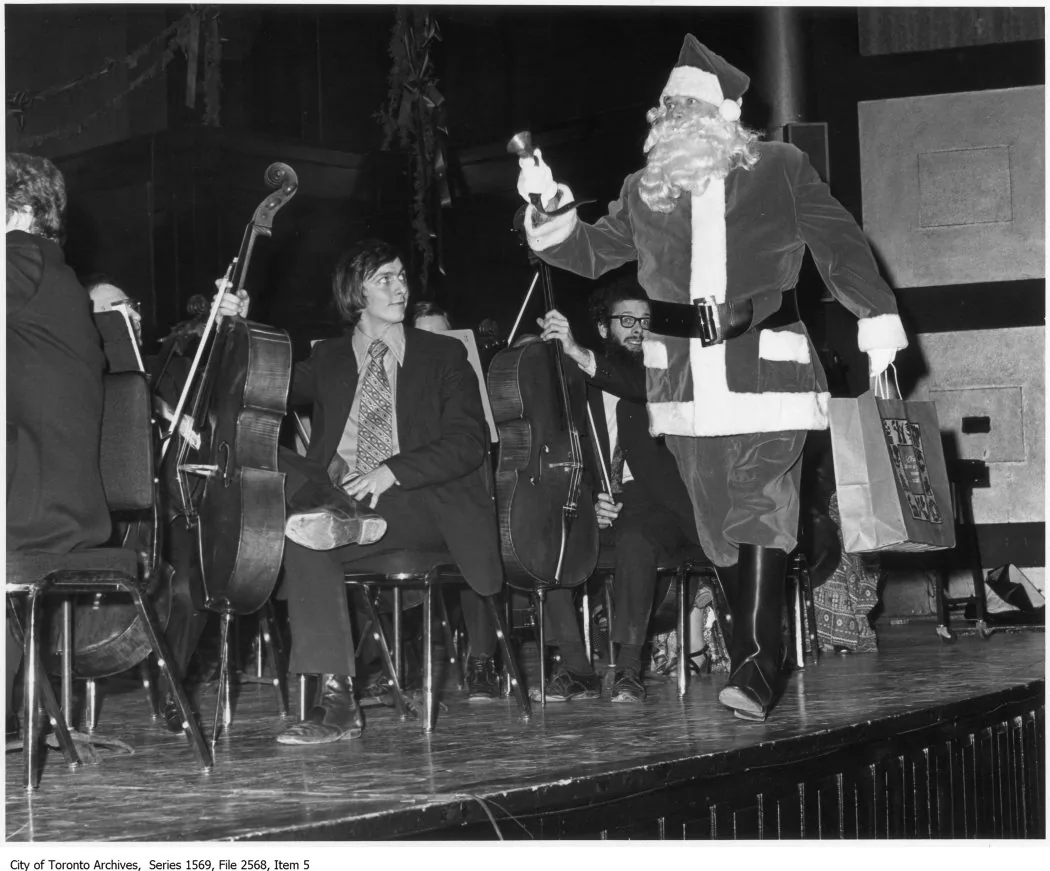
Orchestral conducting is an incredibly rewarding profession that can take you around the world to work with some of the most talented musicians. But it also requires tremendous energy and complete dedication to the art of music.
The path to becoming a conductor requires years of training, practice and participation in competitions. Conductors can also become assistant conductors with national ensembles or attend placements and masterclasses to gain experience and make themselves known. In recent years, the profession has evolved, with growing recognition of women conductors.
Career Prospects and Opportunities for Conductors
In terms of pay, conductors at the beginning of their careers may earn between €3,000 and €5,000 gross per month, while renowned international conductors may earn more than one million euros per year. Salaries vary according to many factors, including the orchestra’s prominence, the conductor’s reputation and the length of the musical season. Renowned conductors are often invited to lead orchestras around the world, allowing them to receive additional fees for each concert.
This profession offers excellent career opportunities, but competition is fierce. Even the most prominent conductors, despite their talent, have often worked for many years to succeed in the field. The most common opportunities for conductors are with permanent symphony and philharmonic orchestras. Concerts take place throughout the year, which means that conductors—particularly the most prominent ones—must often be prepared to tour.
However, the profession is constantly changing and new opportunities regularly emerge. Conductors can also find career opportunities in higher-education institutions, where they can lead university orchestras and teach conducting. The most renowned conductors are also invited to conduct operas, ballets and other musical events.
The Path to Becoming a Conductor
The path to becoming a conductor generally begins between the ages of 18 and 20, after completing secondary school. A strong musical education is required, particularly in analysis, orchestration and music history. The most prestigious institutions for studying orchestral conducting are the national conservatories, such as the Conservatoire national supérieur de musique et de danse (CNSMD) de Paris. Other private institutions exist, but their qualifications are not recognized by the Ministry of Higher Education. Applicants come from diverse backgrounds, but they all began studying music at a very young age and have a strong instrumental and theoretical education. They must also have completed at least three years of training in orchestral conducting.
Selection for orchestral-conducting studies is through an entrance examination. Applicants are assessed on their musical training, sight-reading and music theory. They must also demonstrate their ability to conduct a prescribed work in front of an instrumental ensemble. Successful students receive technical instruction throughout the year, along with classes in composition, analysis, supplementary piano and orchestration.
Once qualified, conductors can launch a professional career by completing placements with professional orchestras and taking part in international competitions. The most prestigious route is to become an assistant conductor with one of the national ensembles, such as the Orchestre national de France or the Ensemble intercontemporain.
The conductor’s role is gradually evolving, with a less authoritarian approach and greater involvement in the ensemble’s life and administration. The number of women conductors is also increasing, although gender parity has not yet been achieved.
In terms of pay, a philharmonic conductor at the beginning of their career earns between €3,000 and €5,000 gross per month. In addition to their monthly salary, conductors may receive concert fees ranging from €8,000 to €20,000 gross.
Starting a Career as a Conductor
After completing their studies, conductors can launch a professional career by undertaking placements with professional orchestras and participating in international competitions. Before embarking on this path, however, it is important to possess technical and artistic skills, as well as a true vocation for this demanding profession, which requires energy, firmness and physical stamina.
To prepare for this career, it is advisable to undertake advanced musical studies at a regional or departmental conservatory. The Conservatoire national supérieur de musique et de danse de Paris offers a highly regarded orchestral-conducting class, as does the École normale de musique Alfred Cortot. The training is often lengthy and requires a great deal of work and passion.
Opportunities in this field are often limited, but conductors can aspire to lead philharmonic orchestras in major cities. To begin a career as a conductor, it is essential to gain experience by undertaking placements with professional orchestras and taking part in international competitions.
It is also important to become an assistant conductor with a recognized national ensemble, such as the Orchestre national de France, in order to gain experience and visibility in the field.
As for pay, conductors at the beginning of their careers may earn between €3,000 and €5,000 gross per month, in addition to concert fees. Internationally renowned conductors may earn more than one million euros per year. It is important to note, however, that a conducting career often begins relatively late, following a career as a musician.
Recent years have also seen the profession evolve toward a less authoritarian approach, better recognition of women’s place in the field and an increase in the number of women conductors.
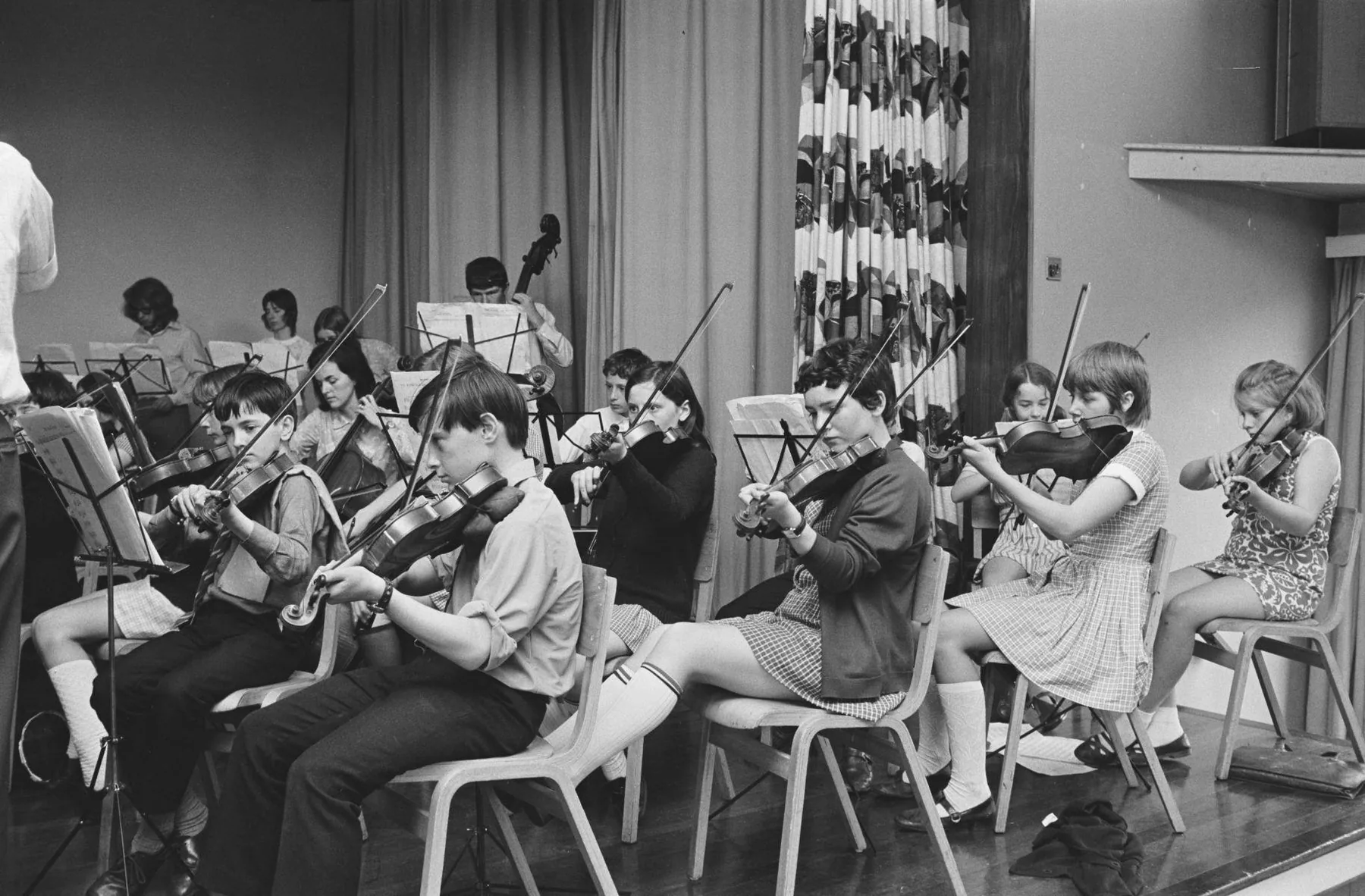
Conclusion:
It should be noted that the conducting profession is gradually evolving, with more women entering the field. Competitions and initiatives such as the La Maestra Academy have helped discover talented young women conductors and support them at the beginning of their careers. Becoming a conductor is a demanding path that requires technical, musical and artistic skills. It is a vocation requiring advanced musical training, preferably at renowned conservatories such as the Conservatoire national supérieur de musique et de danse de Paris. Conductors are responsible for leading philharmonic orchestras, but this requires considerable dedication and compromise.
At the beginning of their careers, their salaries may range from €3,000 to €5,000 gross per month, in addition to concert fees. It is also important to emphasize that the conducting profession is gradually evolving, with growing recognition of women in the role. Competitions and academies such as La Maestra help discover talented young women conductors and support their careers. Finally, international mobility and experience abroad play an essential role in conductors’ professional training and recognition.
Source Links
- https://uk.indeed.com/career-advice/finding-a-job/how-become-conductor
- https://en.wikipedia.org/wiki/Conducting
- https://www.onetonline.org/link/details/27-2041.00
- https://www.prospects.ac.uk/job-profiles/musician/
- https://owainarwelhughes.co.uk/conducting/what-conductors-earn/
- https://www.bls.gov/OOH/entertainment-and-sports/music-directors-and-composers.htm
- https://research-repository.uwa.edu.au/en/publications/economics-of-visibility-the-gendered-body-on-the-orchestral-podiu/