
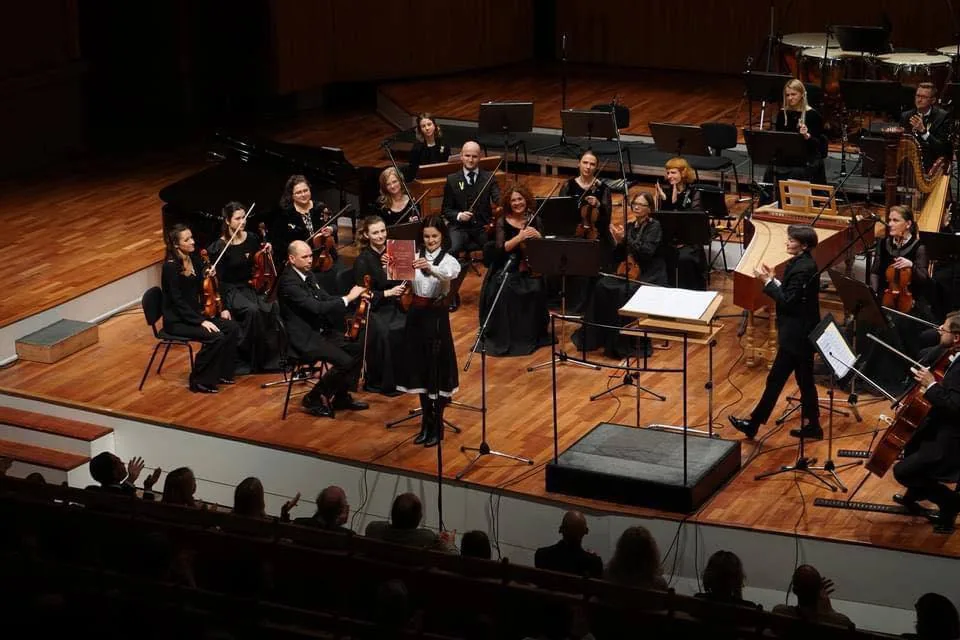
According to a study conducted by Nathalie Krafft in 2022, the number of women conductors worldwide is steadily increasing. According to the results of the La Maestra International Competition, which aims to promote women in orchestral conducting, there were 46 women music directors in 2020 among the 744 major orchestras recorded worldwide, representing 5.9%. In 2021, this figure rose to 62 women, or 7.9%. Although women conductors continue to fight for recognition, the situation remains unequal: some countries lead the way in promoting women in this field, while others still lag behind. Gender equality in orchestras is an important issue in today’s music world, and we will explore it in detail in the following sections.
The inclusion of women in classical music has been an important issue for decades. As in many other fields, the classical orchestra has historically been a male-dominated environment. However, Nathalie Krafft’s study shows that women conductors are becoming increasingly numerous. Nevertheless, their representation in the field remains uneven and often inadequate.
Women’s presence in orchestras worldwide
In 2021, 62 women held principal conductor positions across 778 orchestras, representing 7.9%. Unfortunately, women remain a significant minority in the world’s orchestras. In France, only 4% of conductors are women, while worldwide only 6% of the 778 permanent orchestras are led by women.
This underrepresentation of women in classical music is a major challenge. Women musicians face numerous gender-based prejudices. They are often perceived as less talented artists than men, preventing them from reaching the highest positions in orchestras.
However, there is a growing commitment to promoting diversity and equality in classical music. Women clearly have a place in the orchestra, and it is time to break down sexist prejudices and stereotypes.
Competitions such as La Maestra at the Philharmonie de Paris are organized to showcase women’s talent and help young women reach the highest levels of the profession. However, there is still a long way to go before women’s presence truly expands throughout the world’s orchestras. It is therefore important to continue promoting gender equality in orchestras and encouraging girls to pursue their passion for classical music.
Countries leading the promotion of women conductors
Belgium leads the way, with women directing 37.5% of its orchestras, followed by Norway, the Netherlands, Austria, Australia and the United States. Unfortunately, in France, women hold only 10.5% of orchestral conducting positions. Although women’s presence in orchestras worldwide is increasing, women conductors remain a substantial minority, particularly in France.
These women face obstacles and sexist prejudice in a male-dominated profession, but a growing number of initiatives aim to support and promote the talents of women conductors. The La Maestra International Competition, launched by the Philharmonie de Paris and the Paris Mozart Orchestra, is one example. The competition aims to showcase women conductors and give them international visibility.
The growing number of women in orchestras is an encouraging trend, but much remains to be done to achieve genuine and equitable parity in orchestral conducting. The countries mentioned above offer positive examples, and studies have shown that the presence of women in orchestras can positively affect the quality of the music produced. We need more women leaders in classical music to ensure diversity and fairness throughout the orchestral sector.

The situation in France and other European countries
In France, women lead only 10.5% of orchestras. According to one study, just 4% of conductors in France are women—only one woman among the country’s 30 most prestigious permanent orchestras. Despite this, a growing number of women are obtaining music-director positions thanks to innovative initiatives.
The Philharmonie de Paris and the Paris Mozart Orchestra launched a competition called “La Maestra” to support women conductors and help them reach the highest levels of the profession. A total of 220 women representing 51 nationalities took part in the competition. Its goal is to introduce these talented women to a wider audience and inspire younger generations to pursue the profession.
Nevertheless, gender inequality in classical music remains a problem in Europe. In Germany, for example, there are only four women conductors for 120 orchestras. In Italy, although the first woman conductor was appointed in 2021, progress remains very limited. Women conductors often encounter sexist remarks and outdated stereotypes in the classical-music world.
It is important to continue supporting women conductors and promoting diversity in classical music. The progress made so far is encouraging, but much work remains before genuine gender equality can be achieved in the field.
Obstacles and prejudices faced by women conductors
However, this progress is hindered by persistent prejudices and stereotypes in classical music. Women conductors face numerous obstacles, including biological sexism and men promoting other men within the music industry.
Women conductors encounter many obstacles and prejudices throughout their careers. According to a study conducted in France, women account for only 4% of conductors in France and 6% worldwide. Despite recent progress, women remain substantially underrepresented in the field.
In the past, women were rarely permitted to conduct orchestras because of gender stereotypes and sexism. Some women conductors faced orchestras that refused to let them conduct, even during rehearsals. Nevertheless, pioneers such as Nadia Boulanger and Ethel Smyth succeeded in breaking down these barriers.
Despite the progress made, women conductors continue to face numerous obstacles. They frequently encounter misogynistic prejudice and stereotypes claiming that their sex makes them incapable of performing the role. The music industry also has structural problems, including the lack of women in leadership positions at major institutions.
To encourage more women to pursue careers as conductors, it is important to create strong women role models and support young women throughout their training. Competitions such as La Maestra in France aim to showcase women’s talent and encourage more women to enter the profession.
It is essential to challenge persistent prejudices and promote equal opportunities for women conductors. Diversity in orchestral conducting is important to ensure fair representation and enable women to realize their full potential in the field.

Positive change and the road ahead
Despite the growing number of women in orchestras, there remains a significant gap between the number of women musicians and the number of women conductors. Nevertheless, positive change is emerging, with an increasing number of talented women conductors. According to a recent study, the number of women music directors at major orchestras rose by two percentage points in two years. This shows that women conductors have a greater chance of receiving recognition for their talent and expertise.
Belgium leads the promotion of women conductors, with women heading 37.5% of its eight orchestras. Norway, the Netherlands and Austria closely follow Belgium in statistics on the promotion of women conductors. In France, women lead only 10.5% of orchestras, placing the country seventh. In Italy, only one woman currently leads a major orchestra, although change is underway following the recent appointment of Ukrainian conductor Oksana Lyniv.
Although progress has been made, women conductors remain rare in France and worldwide. In France, only one woman conducts one of the 30 permanent orchestras, representing just 4%. Of the 778 permanent symphony orchestras worldwide, only 48 are led by women, or 6%. These figures reveal the enormous gap between men’s and women’s representation in orchestral conducting.
Initiatives such as the La Maestra competition have been launched to encourage young women to choose this career, showcase women conductors and offer them career opportunities. However, it remains essential to continue fighting discrimination and promoting gender equality in classical music. Although progress is being made, there is still a long way to go before women are equally represented in orchestral conducting.
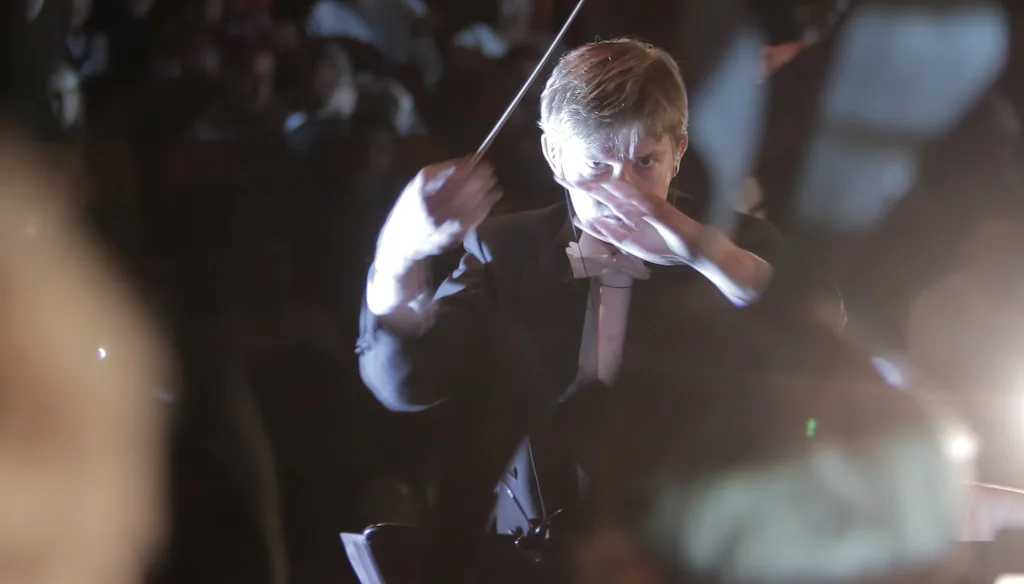
It is crucial to break down prejudices and encourage young women to pursue their passion for classical music by offering them inspiring role models. Women conductors have often been subjected to biological sexism and men promoting other men within the music industry, but they continue to fight for recognition of their talent and expertise. The positive growth in the presence of women conductors is encouraging, but there is still a long way to go before parity is achieved in orchestral conducting.
Conclusion
In conclusion, although the number of women conductors worldwide is increasing, there is still a long way to go to secure genuine gender equality in orchestras and increase the presence of women leaders in classical music.
The figures show that women conductors remain a substantial minority in France and throughout the classical-music world. In France, they account for only 4% of conductors, while worldwide women lead only 6% of permanent symphony orchestras.
However, a growing movement aims to change this situation and give women their rightful place in orchestral conducting. Competitions such as La Maestra, organized by the Philharmonie de Paris and the Paris Mozart Orchestra, have been established to showcase women conductors and help them reach the highest levels of the profession.
Sexist prejudices and stereotypes persist in classical music, but it is essential to continue challenging these outdated ideas. Women conductors are role models for girls who aspire to enter the profession, and it is important to offer them women mentors and examples of success.
It is also crucial to continue encouraging women to study orchestral conducting and enter competitions. Women’s representation, both within orchestras and in prestigious leadership positions, must improve. The talent and ability of women conductors must be recognized and valued appropriately.
In conclusion, although women conductors remain underrepresented, action is being taken to change this reality and give them their rightful place in orchestral conducting. It is essential to continue encouraging and supporting women throughout their careers and to create an inclusive and equitable environment in classical music.
Sources
- https://americanorchestras.org/learn/edi-data-hub/conductor-diversity/
- https://www.arte.tv/en/videos/RC-018725/la-maestra/
- https://www.theguardian.com/music/2005/jun/02/classicalmusicandopera.gender
- https://wophil.org/2025-2026-conductors-report/
- https://www.maestrafilm.com/
- https://research-repository.uwa.edu.au/en/publications/economics-of-visibility-the-gendered-body-on-the-orchestral-podiu/
- https://donne-uk.org/research/