

Premiered in 1902 at Paris’s Théâtre impérial de l’Opéra, Pelléas et Mélisande is a major work by Claude Debussy. This five-act piece, written in French, marked a turning point in the history of modern opera. It resulted from a collaboration between Debussy and the playwright Maurice Maeterlinck.
The unique atmosphere of this creation rests on an innovative fusion of spoken declamation and Impressionist orchestration. Debussy explores “musical waves and tremors” that envelop a Symbolist drama, offering an unprecedented operatic experience.
In a post-Wagnerian context, France was seeking artistic renewal. Pelléas et Mélisande embodies this quest, becoming a pivotal work between Romanticism and modernity. Its five-act structure closely follows Maeterlinck’s original text, reinforcing its symbolic impact.
Introduction to Pelléas et Mélisande
Between 1893 and 1902, Debussy created a work that defied convention. Pelléas et Mélisande is much more than a mere opera. It is a bold exploration of music and drama, shaped by a unique collaboration with the playwright Maurice Maeterlinck.
“An opera after Wagner, but not in Wagner’s image.”
This phrase sums up the work’s ambition: to move away from Wagnerian traditions while offering a new vision of operatic art.
Presentation of the work
The opera stands out for its musical fluidity and natural declamation. In contrast to traditional arias, Debussy favors vocal expression close to speech. This approach reinforces the Symbolist atmosphere inspired by the text of Maurice Maeterlinck.
The libretto, faithful to the original, plunges the listener into the imaginary kingdom of Allemonde. This mysterious setting provides the backdrop for a story of love, jealousy and tragic destiny.
Historical and cultural context
At the end of the nineteenth century, European music was undergoing profound change. Wagnerism prevailed, but some artists sought to break free from it. Debussy embodied this quest for innovation, rejecting both verismo and excessive Romanticism.
The first performance in 1902 divided audiences. Some were outraged, while others hailed an avant-garde work. Today, Pelléas et Mélisande is recognized as a landmark in the history of modern opera.
Claude Debussy and Maurice Maeterlinck: a unique collaboration
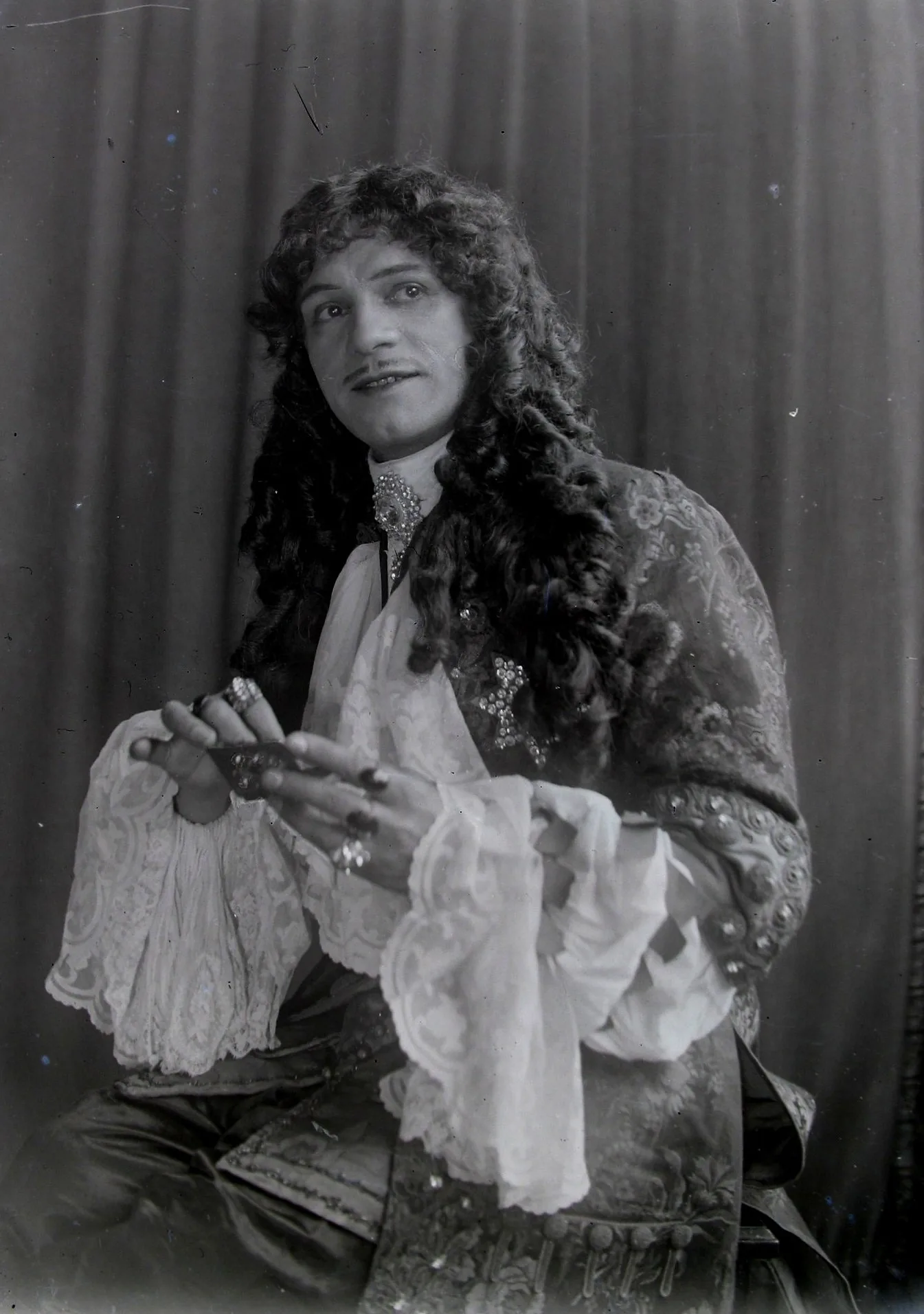
The collaboration between Claude Debussy and Maurice Maeterlinck arose in Symbolist circles. This artistic alliance, shaped by a shared vision, gave rise to a work that transcended the conventions of its time.
The meeting between Debussy and Maeterlinck
In 1893, the two artists crossed paths in Parisian Symbolist circles. This decisive meeting laid the foundations for a fruitful collaboration. Fascinated by Maeterlinck’s text, Debussy saw an opportunity to redefine modern opera.
Their work together was not without tension. Maeterlinck wanted his companion to perform the role of Mélisande, which caused friction. Nevertheless, these disagreements also fueled their creativity.
The influence of Symbolism on the opera
Symbolism permeates every aspect of the work. Debussy and Maeterlinck reject realism in favor of evocation and dreamlike imagery. This approach is expressed through fluid music and visual and aural metaphors.
Debussy deconstructed the rhythm of Maeterlinck’s text to create natural declamation. As he said: “Music begins where words are powerless.” This philosophy shaped the opera’s unique aesthetic.
Their collaboration, although marked by tension, produced a masterpiece that remains a landmark in music history.
The story of Pelléas et Mélisande
Enter a dreamlike world where the plot unfolds in a mysterious kingdom. Often described as “a dream that never ends,” this work captivates audiences with its spellbinding atmosphere and profound themes.
The story explores the complex relationships between Pelléas and Mélisande, woven from passion, jealousy and tragic destiny. Allemonde’s symbolic setting, with its forests, fountains and caves, deepens the mystery surrounding the characters.
General plot summary
The plot begins with the meeting between Mélisande, an enigmatic young woman, and Golaud, a prince in search of adventure. Their marriage sets off a series of tragic events marked by jealousy and fate.
Pelléas, Golaud’s brother, enters Mélisande’s life, creating palpable tension. Their relationship, tinged with innocence and desire, becomes the heart of the story. The forest, where they meet in secret, symbolizes both freedom and danger.
The imaginary kingdom of Allemonde
Allemonde, the kingdom in which the story unfolds, is far more than a mere setting. It embodies an omnipresent shadow that influences the characters’ actions and emotions. The tower, fountain and caves are all symbols that heighten the dreamlike atmosphere.
The undefined time period adds a mysterious dimension to the work. The characters’ premonitions, such as that of imminent death, create constant tension. The conclusion, which leaves the mysteries unresolved, invites reflection.
Analysis of the main characters
The opera’s characters embody profound archetypes that blend mystery and passion. Each plays a key role in constructing the story, reflecting universal themes such as love, jealousy and destiny.
Mélisande: an enigmatic heroine
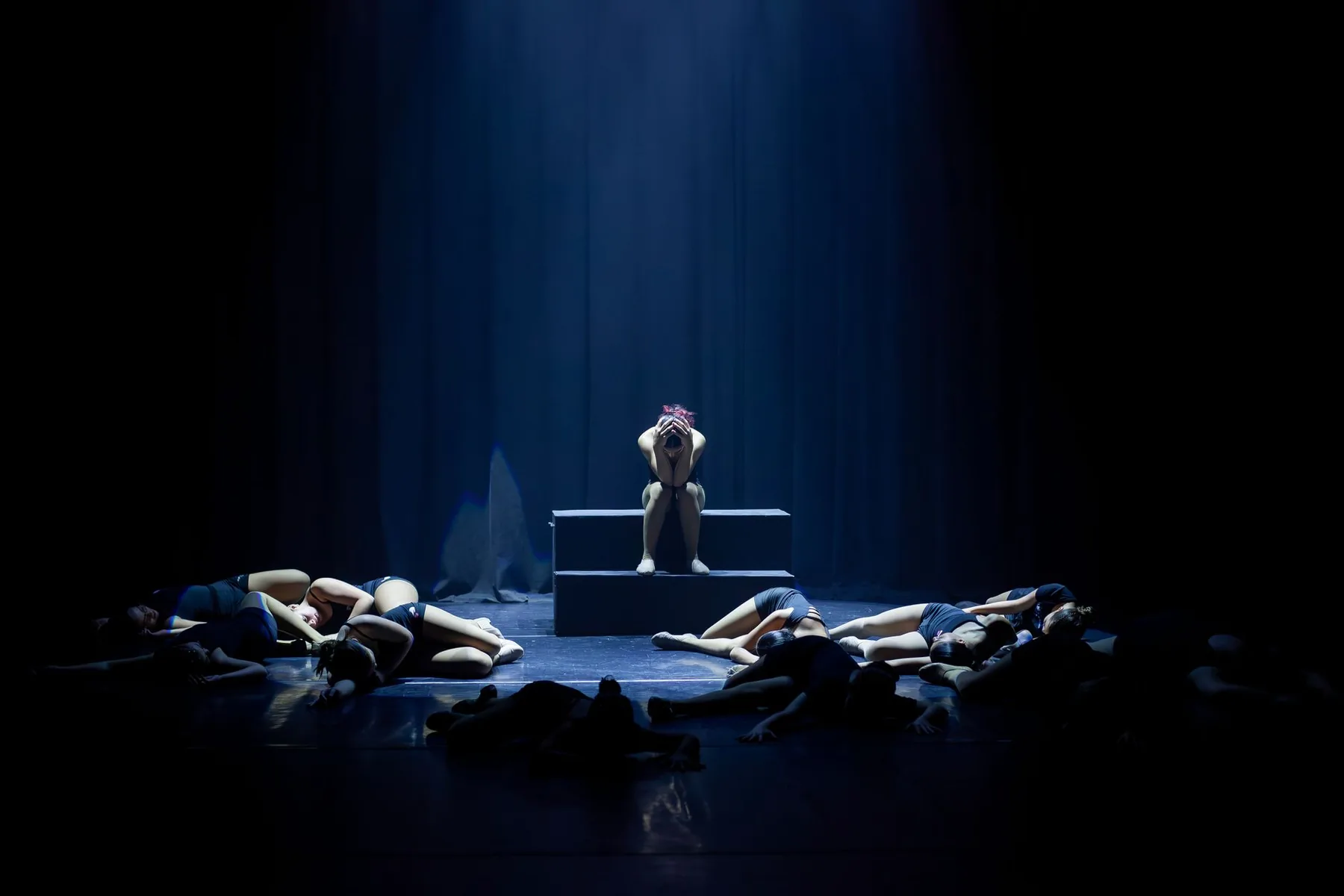
Mélisande is a fragile being whose origins remain unknown. Her mystery is as alluring as it is bewildering. Her gestures, hair and eyes are laden with symbolism, reinforcing her elusive nature.
She embodies innocence and vulnerability, but also a form of passive power. Her central role in the triangular dynamic involving Golaud and Pelléas makes her a pivotal figure in the plot.
Pelléas and Golaud: a conflict between brothers
The relationship between Pelléas and his half-brother Golaud is marked by mounting tension. Both victim and tormentor, Golaud wavers between rationality and impulsiveness. His jealousy of Pelléas becomes a tragic driving force in the story.
Pelléas, meanwhile, represents youth and idealism. His attraction to Mélisande, though innocent, triggers a series of dramatic events. Their conflict illustrates the struggle between love and power.
The role of old Arkel
Arkel, the king of Allemonde, embodies wisdom and fatalism. Although powerless in the face of events, he acts as a mediator. His often prophetic words add a philosophical dimension to the work.
His presence reminds us that the characters are prisoners of a destiny they cannot control. Arkel also symbolizes passivity in the face of the higher forces governing their lives.
| Character | Main traits | Role in the plot |
|---|---|---|
| Mélisande | Enigmatic, fragile, symbolic | Central heroine, object of desire and mystery |
| Pelléas | Young, idealistic, passionate | Catalyst for the conflict between the brothers |
| Golaud | Jealous, rational, impulsive | Antagonist, victim of his own jealousy |
| Arkel | Wise, fatalistic, visionary | Mediator, voice of reason |
The music of Pelléas et Mélisande
Debussy’s musical world in *Pelléas et Mélisande* represents a break with operatic traditions. Often described as revolutionary, the work is distinguished by its lack of arias and subtle orchestration. Debussy favors syllabic declamation close to spoken language to heighten the text’s expressive power.

Debussy’s musical innovation
Debussy rejected operatic conventions to create a unique atmosphere. His fluid, suggestive music draws on ancient modes and whole-tone scales. This innovative harmonic approach evokes complex emotions without ever resorting to fixed melodies.
The delicate, precise orchestration contrasts with Wagnerian density. Each instrument plays a specific role, contributing to the work’s dreamlike quality. As one critic observed, “Debussy whispers rather than declaims, creating a spellbinding soundscape.”
The leitmotifs and their meaning
The leitmotifs play a central role in the score. Each character and each key element, such as the forest or fountain, is associated with a musical motif. More suggestive than explanatory, these motifs reinforce the work’s symbolic dimension.
For example, Mélisande’s gentle and mysterious motif reflects her elusive nature. The darker death motif foreshadows the characters’ tragic fate. These motifs weave a coherent musical fabric while leaving room for interpretation.
To learn more about this revolutionary work, explore its influences and legacy in music history.
The five acts of Pelléas et Mélisande
The opera unfolds over five acts, each marked by key moments that weave the plot together. This dramatic structure guides the listener from initial curiosity to destructive passion, culminating in a tragic conclusion.
Act 1: the meeting in the forest
The story begins in a mysterious forest. There, Golaud, prince of Allemonde, meets Mélisande, an enigmatic young woman. This scene lays the foundations for a complex relationship shaped by mystery and destiny.
Act 2: the Blind Men’s Well
Pelléas takes Mélisande to the Blind Men’s Well, a symbolic place. Mélisande’s loss of her wedding ring in the well foreshadows the tensions to come. This moment reinforces the symbolism of truth and destiny.
Act 3: Golaud’s jealousy
Golaud’s jealousy intensifies. He orders his son Yniold to spy on Mélisande and Pelléas. The hair scene, in which Mélisande sings “My long hair falls down,” illustrates this mounting tension.
Act 4: the declaration of love
Pelléas and Mélisande declare their love beside the fountain. Though innocent, this declaration provokes Golaud’s fury. Their passion becomes a catalyst for the final tragedy.
Act 5: Mélisande’s death
The final act depicts Mélisande’s death, enigmatic and without any physical wound. Shrouded in mystery, her death represents the drama’s apotheosis and leaves the listener in profound reflection.
| Act | Key event | Symbolism |
|---|---|---|
| 1 | Meeting in the forest | Destiny |
| 2 | Loss of the wedding ring in the well | Truth |
| 3 | Golaud’s jealousy | Conflict |
| 4 | Declaration of love | Passion |
| 5 | Mélisande’s death | Mystery |
To better understand this dramatic structure, explore the details of each act and its profound symbolism.
The opera’s major themes
The opera *Pelléas et Mélisande* explores universal themes that transcend eras. Deeply rooted in the plot, these elements reflect existential questions and intense emotions. Love, jealousy, death, Symbolism and dreamlike imagery intertwine to create a richly meaningful work.
Love and jealousy
Love lies at the heart of the story, but it is often impossible or forbidden. Between Pelléas and Mélisande, it blends innocence and desire, while Golaud embodies destructive jealousy. This emotion, which grows from unease into madness, becomes a tragic driving force.
The elliptical dialogue and eloquent silences intensify the relationships. As one critic observed, “Love here is an enigma, both luminous and dark.”
Death and mystery
Death is omnipresent and often metaphorical. It symbolizes existential decline rather than physical violence. Mélisande, for example, dies without any apparent wound, leaving a profound mystery unresolved.
Recurring elements such as water, night and reflections deepen this enigmatic atmosphere. Each scene seems bathed in muted light, suggesting the inevitability of fate.
Symbolism and dreamlike imagery
Symbolism permeates every detail of the work. Places such as the forest and fountain are laden with meaning. The dreamlike quality, meanwhile, creates a floating atmosphere in which reality merges with dreams.
Debussy and Maeterlinck use these elements to explore the impossibility of truly knowing another person. This perpetually unfinished quest gives the opera philosophical depth.
- Impossible love: between desire and social prohibitions.
- Jealousy as a tragic driving force: from unease to murderous madness.
- Metaphorical death: existential decline as opposed to physical violence.
- An aesthetic of the unspoken: elliptical dialogue and eloquent silences.
- Universality of the themes: contemporary relevance.
The critical reception of Pelléas et Mélisande
At its premiere, *Pelléas et Mélisande* prompted contrasting reactions. Some critics praised its boldness, while others were outraged. Far removed from traditional conventions, this work marked a turning point in the history of opera.
The initial reactions
The first performance in 1902 divided the audience. Camille Bellaigue, an influential critic, declared:
“This is not an opera!”
This reaction reflects the failure to understand Debussy’s innovation. Criticism of the dramatic stillness and lack of melody dominated the debate.
Nevertheless, some recognized the work’s originality. Its musical fluidity and Symbolist approach appealed to avant-garde minds. This duality made *Pelléas et Mélisande* a subject of controversy and fascination.
The opera’s legacy in music history
Over time, the opera gained posthumous recognition. Composers such as Alban Berg, Benjamin Britten and Henri Dutilleux were influenced by its aesthetic. Today, the work is considered a progenitor of modern opera.
Contemporary productions continue to reinterpret this piece, demonstrating its relevance. Its current standing makes it an undisputed masterpiece of the operatic repertoire.
| Aspect | Impact |
|---|---|
| Initial reactions | Divided between outrage and admiration |
| Posthumous recognition | Influence on Berg, Britten and Dutilleux |
| Musical legacy | Considered a progenitor of modern opera |
| Current status | Undisputed masterpiece |
Further exploration: Debussy’s other projects
Beyond *Pelléas et Mélisande*, Claude Debussy explored other artistic horizons. His stage projects, although often unfinished, reveal an unfulfilled operatic ambition. These works attest to his constant quest for innovation and his influence on modern music.
The unfinished works
Among Debussy’s unfinished works, *Rodrigue et Chimène* and *The Fall of the House of Usher* occupy a special place. Abandoned for various reasons, these projects reflect his desire to push the boundaries of opera. As he said:
“In Pelléas I found what I had dreamed of.”
Although incomplete, these sketches offer a fascinating insight into his creative process.
The influence of Pelléas et Mélisande on modern music
The impact of *Pelléas et Mélisande* on modern music is undeniable. The work inspired composers such as Alban Berg and Benjamin Britten. Its innovative treatment of text and orchestration opened new paths for contemporary musical theater and cinema.
- Operatic ambition: the 10 operas that were never completed.
- Comparative analysis: stylistic continuities with later works.
- Direct influence: on contemporary cinema and musical theater.
- Pelléas as a model: its impact on the treatment of text in music.
- Prospects: the rediscovery of the sketches by musicologists.
| Project | Status | Influence |
|---|---|---|
| Rodrigue et Chimène | Unfinished | Exploration of historical themes |
| The Fall of the House of Usher | Unfinished | Inspiration for modern theater |
For further exploration, these unfinished projects show that Debussy’s legacy is not limited to a single masterpiece. They invite us to consider what music might have become had these works been completed.
Conclusion: the importance of Pelléas et Mélisande in opera history
In conclusion, *Pelléas et Mélisande* remains a pillar of opera history. The work made a bold break with the genre’s conventions, introducing a modernity that influenced generations of composers.
Its profound Symbolism and unique aesthetic continue to fascinate. The opera explores universal themes, such as the enigma of human relationships, that still resonate today.
Its legacy extends beyond music into literature and cinema. This masterpiece invites every generation to rediscover it, demonstrating its enduring artistic relevance.