

The conductor’s score is called the full score. It presents all the work’s synchronized instrumental parts. The conductor uses this score to direct and coordinate the orchestra during a musical performance.
In a symphony orchestra, the instrumental parts are arranged from top to bottom by section, beginning with the woodwinds, followed by the brass, percussion, and strings. The separate parts for each wind instrument are often grouped on a single staff to make them easier to read. The parts for solo singers and choristers appear above the instrumental parts in operas, oratorios, and works of sacred music.
How the conductor uses the full score
The full score is used by the conductor to direct the orchestra and coordinate the different instrumental parts. The conductor’s score is the entire orchestra’s road map, presenting all the work’s instrumental parts together, synchronized and laid out in score form.
The conductor follows the full score to direct each section of the orchestra, using precise gestures to indicate when each instrument should begin and stop. The conductor works closely with the musicians to ensure that all the parts are played together harmoniously.
The musicians do not use the conductor’s score during the performance. Instead, they use their own sheet music, which contains only their part. They follow the conductor’s direction by watching the conductor’s gestures and visual cues. The full score makes it easier to coordinate and synchronize all the orchestra’s musicians.
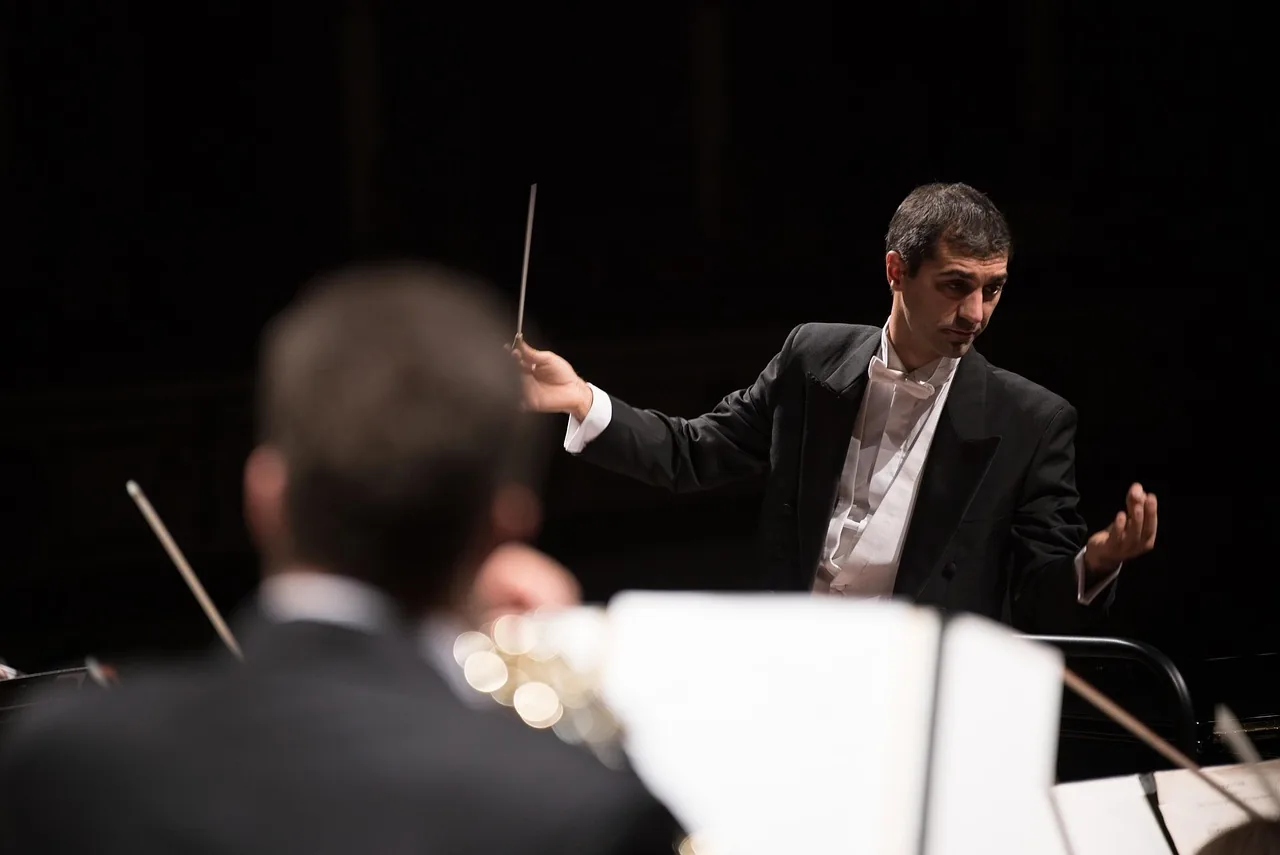
In the conductor’s score, the instrumental parts are organized from top to bottom by section and then, within each group, from the highest to the lowest register. This arrangement allows the conductor to see easily how the different parts fit together and to coordinate them more effectively.
For operas and works of sacred music, the parts for solo singers and choristers are placed above the instrumental parts. The conductor also uses the full score to coordinate these vocal parts with the orchestra.
How musicians use instrumental parts
While the conductor uses the full score, the instrumentalists use sheet music containing only their own parts. Each musician must pay attention both to their individual part and to the orchestra as a whole so that they can play in harmony with the other musicians. The instrumental parts contained in the conductor’s score are therefore intended for the orchestra’s individual musicians.
The instrumental parts are organized by instrument family, while the full score presents all the work’s instrumental parts. The strings, woodwinds, brass, and percussion play different roles in the music. The strings are generally divided into sections of violins, violas, cellos, and double basses. The woodwinds include flutes, clarinets, oboes, and bassoons. The brass includes horns, trumpets, trombones, and tubas. Percussion offers a wide variety of possibilities and can add rhythmic and dynamic effects to the music.
Each instrumental part is written so that every musician can play their own line. The parts are therefore adapted to each instrument, taking its technical characteristics and sound capabilities into account. This is why every instrumental part requires specific skills suited to the musician’s instrument.
Organization of instrumental parts in the conductor’s score
In the score, the instrumental parts are arranged from top to bottom by section, moving from the woodwinds to the strings, with the brass and percussion in between. Each part contains the notes the musicians must play during the performance, synchronized with the other parts.
Wind-instrument parts are generally grouped on a single staff for each section. Within each staff, every instrument is separated by a specific symbol. The brass parts are often placed below the woodwinds, followed by the percussion and strings.
| Section | Order |
|---|---|
| Woodwinds | Flute, oboe, clarinet, bassoon, etc. |
| Brass | Trumpet, horn, trombone, tuba, etc. |
| Percussion | Timpani, cymbals, triangle, etc. |
| Strings | Violin, viola, cello, double bass, etc. |
For operas and works of sacred music, the parts for solo singers and choristers are placed above the instrumental parts. Solo singers often use individual parts containing only their own vocal lines, while choristers use combined parts for their respective sections.
This detailed organization of the instrumental parts allows the conductor to direct and coordinate the entire orchestra effectively, ensuring a harmonious and coherent performance of the musical work.
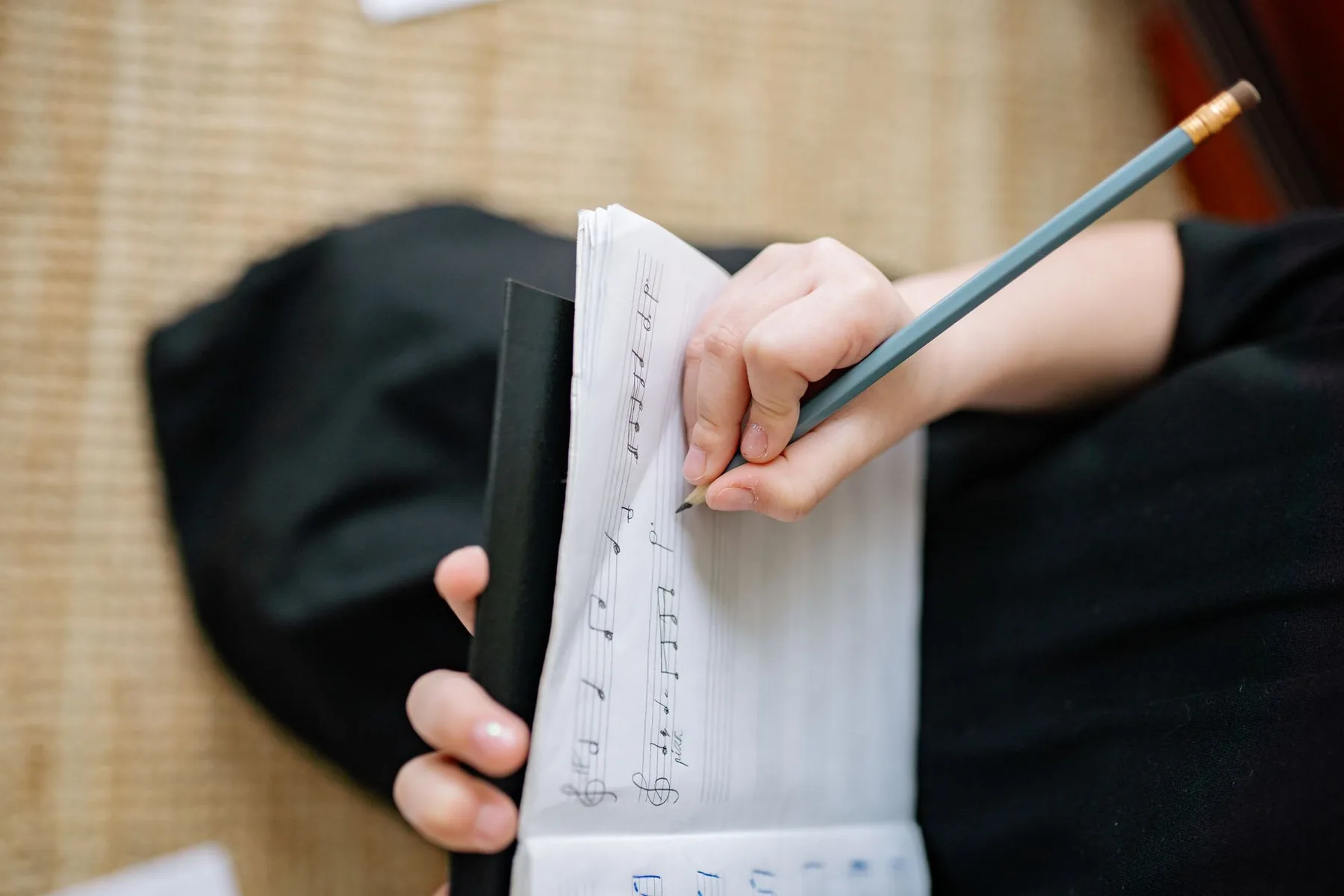
The parts for solo singers and choristers
In operas and works of sacred music, the parts for solo singers and choristers are placed above the instrumental parts in an orchestral score. They are grouped by voice and written on separate staves, allowing the singers to follow their parts easily during rehearsals and performances.
Solo singers and choristers use sheet music or parts containing only the material that concerns them. These vocal parts are often more detailed and include nuances and dynamic markings to help singers perform their lines with precision and emotion.
In an orchestra, the woodwinds, brass, percussion, and strings are arranged from top to bottom in the full score of a symphonic work. The separate parts for each wind instrument are often grouped on a single staff. This enables musicians to play together within their respective sections while remaining in sync with the conductor, who follows the complete score.
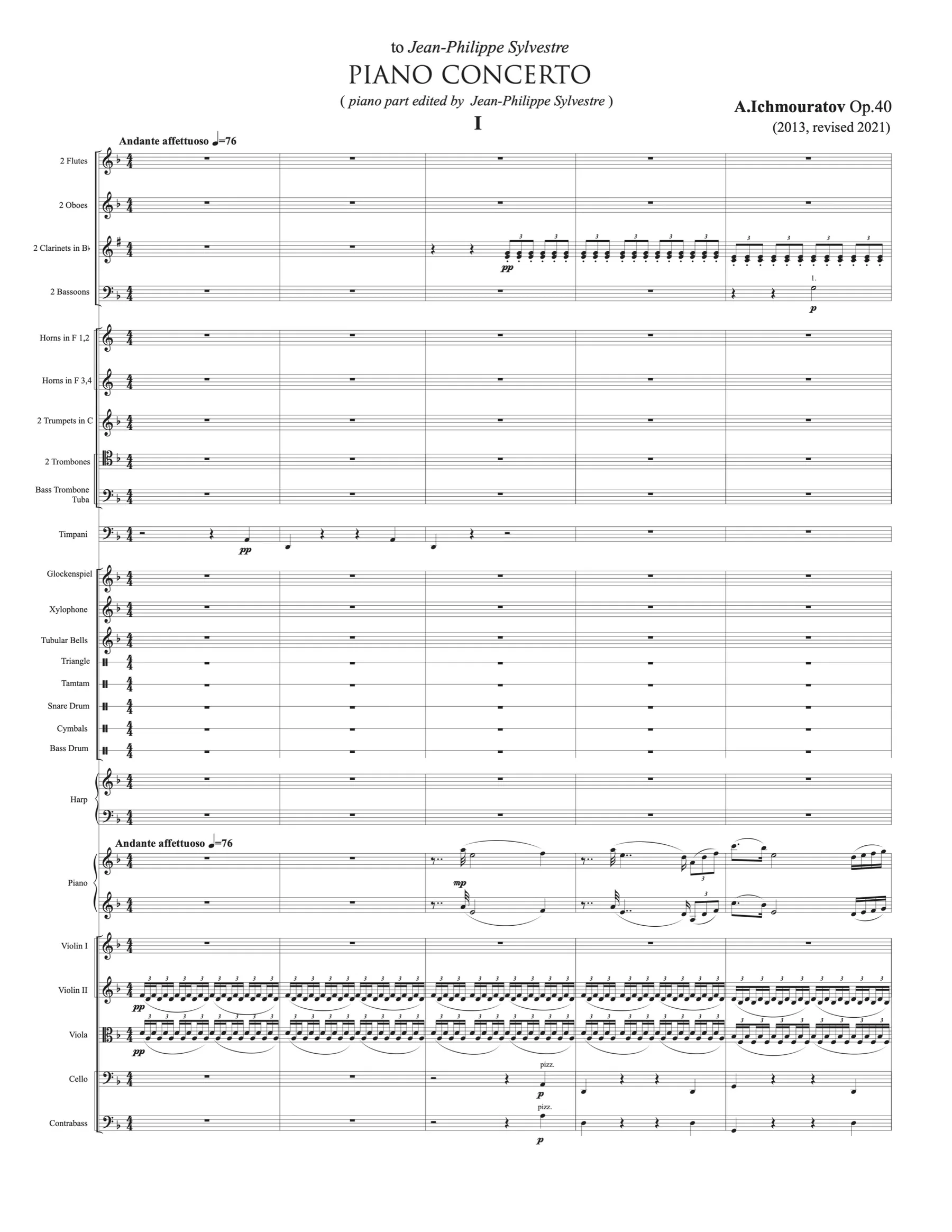
This organization of the conductor’s score allows the music to sound harmonious and creates an immersive musical experience for the audience. Solo singers and choristers play an important role in classical music, adding nuance and emotion to the composition. Their collaboration with the orchestra brings an exceptional work of art to life, uniting voices and instruments to achieve perfect musical synergy.
Composing a conductor’s score
Composing a conductor’s score is a complex process that involves creating musical notation for every instrument and bringing all the parts together into a coherent, synchronized work. Scores were often written by hand, but today most composers use music-notation software to create and print them.
In an orchestral score, the instrumental parts are arranged from top to bottom by group, beginning with the woodwinds, followed by the brass, percussion, and finally the strings. The parts for each wind instrument are often grouped on a single staff. Scores for operas, oratorios, and works of sacred music place the parts for solo singers and choristers above the instrumental parts.
Orchestral scores often contain several staves to group instruments playing the same notes. Woodwinds, brass, percussion, and strings are the main instrument families found in an orchestral score. Percussion offers almost unlimited possibilities, and each composer uses their preferred instruments to create the desired sound.
Composing a conductor’s score is an art that requires a thorough understanding of every instrument and mastery of musical-notation techniques. Composers must be able to translate their musical vision into notation that musicians can understand. Musicians must be able to read the score and interpret the conductor’s instructions to produce a synchronized, harmonious performance.
“Music begins where the power of words ends.” — Richard Wagner
Conclusion:
In conclusion, the conductor’s score, also called the full score, is essential for guiding the orchestra during musical performances and providing the musicians with a clear road map. Composing a conductor’s score involves creating different instrumental parts, grouping them by family, and arranging them from the highest to the lowest register. Woodwinds, brass, strings, and percussion are all included in the score, together with the vocal parts for solo singers and choristers in works such as operas and sacred-music compositions.
The conductor’s score is used by the conductor to direct the ensemble and ensure that all the musicians play together. The musicians use their own instrumental parts to focus on their playing while listening to the other members of the orchestra and following the conductor’s directions.
In short, the conductor’s score is a key element of orchestral performance. It gives musicians a clear road map to follow and enables them to play together to create a harmonious musical experience for the audience.
Source links
- https://www.grammarofmusic.com/en/topics/score
- https://clarkrundell.com/learning/how-to-read-an-orchestral-score/
- https://music-dictionary.org/notation-symbols/score-types/conductors-score/
- https://prod-media.coolaustralia.org/wp-content/uploads/2015/10/06162413/Fanfare-Competition-DIY-Student-Toolkit-2017v3.pdf
- https://www.open.edu/openlearn/mod/oucontent/view.php?id=26860&printable=1
- https://hub.yamaha.com/music-educators/prof-dev/teaching-tips/good-conductor/
- https://v16live.metopera.org/learn/education/learning-library/opera-arrangements/