
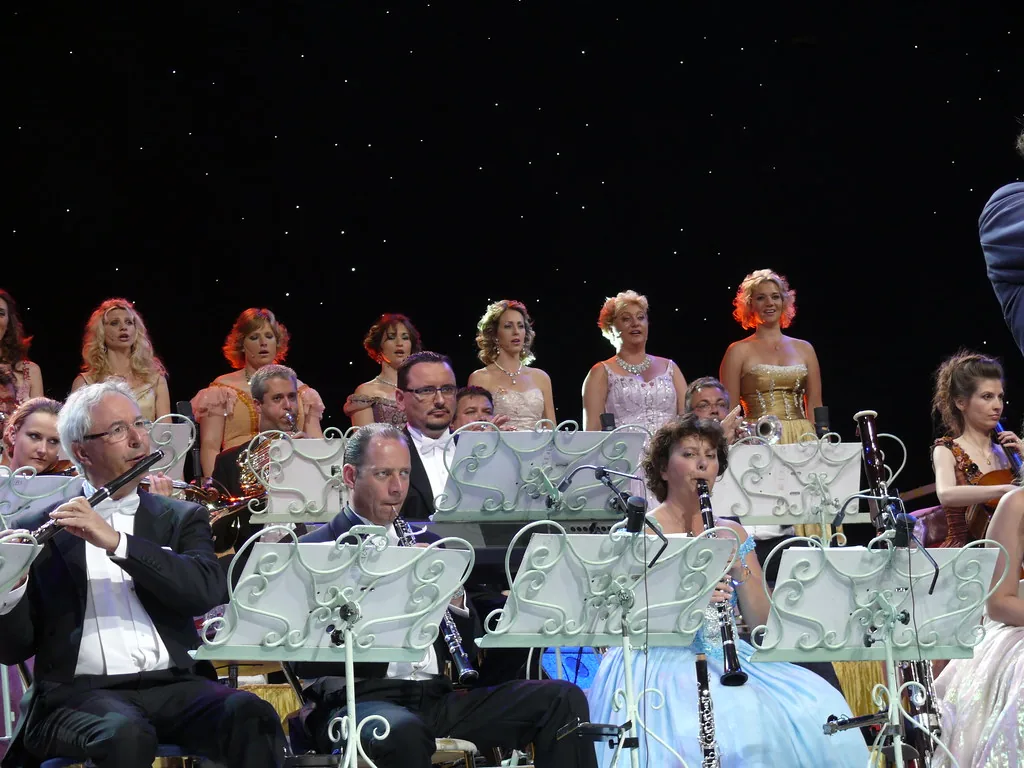
The Laudate Dominum is an iconic work of sacred music created by Wolfgang Amadeus Mozart. Composed in 1780, this piece continues to move generations of listeners. Its fascinating history is rooted in the liturgical context of the period.
At just 24 years old, Mozart, in the service of Prince-Archbishop Colloredo, brought this composition to life in the city of Salzburg. This work reveals not only his musical genius, but also his profound spiritual commitment.
In this article, we invite you to explore every facet of this piece. You will discover its historical context, its musical structure in G major, and the interpretations that have shaped its history. Prepare to immerse yourself in the enchanting world of classical music.
Introduction: General Context of “Laudate Dominum”
This masterful work, the Laudate Dominum, stands out as the fifth movement of the Vesperae solennes de confessore. Composed in 1780, when Mozart was only 24, it belongs to the sacred setting of Salzburg Cathedral. It was here that the composer exercised his talents as an organist and Konzertmeister under the authority of Prince-Archbishop Hieronymus von Colloredo.
The Solemn Vespers represent a rich liturgical tradition incorporating psalms and hymns. This piece, which notably draws on Psalm 116, provides a moment of profound meditation. Mozart’s sacred music, which includes masses and motets, is essential to understanding his legacy.
We will explore how this work fits into the tradition of Catholic Vespers. Evening celebrations generally include five psalms, and the Laudate Dominum is one of the most iconic. Its apparent simplicity conceals an emotional depth that has touched listeners throughout the ages.
In addition, this section highlights the importance of this composition within the classical repertoire. Often performed at chamber-music concerts or major religious celebrations, it remains a pinnacle of Mozart’s art. You will discover why this work transcends time and inspires musicians and music lovers alike.
We will also discuss Mozart’s other sacred works, such as his great masses and unfinished Requiem. This context is crucial to appreciating the unique place of this piece in his creative journey.
Historical Origins of Laudate Dominum
In 1780, at a pivotal moment for the composer, the work took shape. This period was marked by a rich liturgical and musical environment in Salzburg. Under the rule of Prince-Archbishop Colloredo, sacred music flourished within St. Rupert’s Cathedral.
Religious celebrations, particularly Vespers, occupied a central place in daily life. These services included five psalms followed by the Magnificat. Psalm 116, which provides the text of the Laudate Dominum, is especially significant.
Liturgical and Musical Context in the 18th Century
The 18th century was a period in which sacred music played a crucial role. In Salzburg, the tradition of solemn Vespers developed by incorporating elements of Italian music, which was fashionable at the time. These services were designed to be solemn yet concise so that they could fit into the sequence of Masses.
Conditions Under Which the Work Was Composed and Its Liturgical Setting
The conditions governing composition were strict. As court organist, Mozart was required to produce works regularly for liturgical celebrations. The Laudate Dominum met this requirement and demonstrates his ability to create music of great beauty even within a restrictive setting.
It is interesting to note that, despite these constraints, the composer managed to transcend convention. His work became a symbol of spirituality and emotion, captivating listeners throughout the ages.
| Elements | Details |
|---|---|
| Year composed | 1780 |
| Composer | Wolfgang Amadeus Mozart |
| Setting | St. Rupert’s Cathedral, Salzburg |
| Type of work | Solemn Vespers |
| Main text | Psalm 116 |
As a famous musicologist said:
“Mozart’s music transcends time and space, touching the human soul.”
The Text of Laudate Dominum: Analysis and Meaning
An analysis of Psalm 116 reveals the depth of the message contained in the Laudate Dominum. This psalm, the shortest in the Bible, conveys a powerful and universal message. Its brevity intensifies its call to praise.
Latin Text and English Translation
The complete Latin text reads: “Laudate Dominum omnes gentes, laudate eum omnes populi. Quoniam confirmata est super nos misericordia ejus, et veritas Domini manet in aeternum.” Its precise English translation is: “Praise the Lord, all peoples; celebrate him, all nations. For his mercy has been established upon us, and the truth of the Lord endures forever.”
Symbolism and Spiritual Message of the Song
A reading of the text reveals a character that is both simple and profoundly spiritual. The text calls on all nations to unite in divine praise, conveying a message of universality that transcends religious and cultural boundaries.
We will analyze the symbolism of each verse and the way the music expresses the psalm’s spiritual content. For example, the use of the key of F major gives the work a luminous serenity far removed from G minor.
The song’s spiritual message is rich: it evokes the call to universal praise, the celebration of divine mercy, and the affirmation of eternal truth. These themes resonate particularly strongly in the context of the Catholic Mass.
Finally, we will see how each word, through its musical treatment, achieves its full expressive power. This perfect correspondence between the sacred text and the music that carries it is essential to understanding why the Laudate Dominum continues to move listeners, whether they are believers or not.
Musical Analysis of Laudate Dominum
The beauty of the Laudate Dominum lies in its carefully crafted musical structure. Written in F major, this work begins with an orchestral introduction that prepares the listener for a unique spiritual experience. After this introduction, the solo soprano enters, establishing a captivating dialogue with the choir.
Formal Structure and Musical Style
The score of this piece is in 4/4 time, with the tempo marking Andante ma un poco sostenuto. This structure creates a perfect balance between movement and serenity. Here are some key elements of the musical analysis:
- An orchestral introduction in F major, followed by the entrance of the solo soprano.
- A dialogue between the soprano and the choir, enriching the listening experience.
- A simple yet expressive melody that reveals Amadeus Mozart’s mastery of musical art.
The musical style of this work is characterized by apparent simplicity combined with harmonic sophistication. This creates an atmosphere of contemplation and serenity, allowing the listener to become immersed in profound meditation.
Role of the Solo Soprano and Choir
The solo soprano plays a central role in this composition. Her pure, crystalline voice rises above the orchestra, bringing a grace that seems to defy the laws of musical gravity. The choir, meanwhile, responds in echo, creating a sense of spatialized sound. This interaction evokes the tradition of the cori spezzati, thereby enriching the musical experience.
Together, the soprano and choir form a harmonious dialogue that heightens the spirituality of the text. Unlike other Mozart works in G minor, which are often marked by dramatic tension, this piece radiates peace and confidence. Every measure bears witness to Mozart’s genius, in which musical technique serves spiritual expression.
As one music expert observed:
“Every note of the Laudate Dominum reveals the depth of the human soul.”
This analysis will help you better understand the compositional choices that make this work one of the most perfect pages in the classical repertoire. To explore this fascinating piece further, read the article about the importance of Laudate Dominum within Mozart’s body of work.
Mozart’s Laudate Dominum: Origin, Text and Meaning in the Composer’s Life
Wolfgang Amadeus Mozart’s sacred musical work is rooted in a life devoted to composition. His career was marked by a profound connection with sacred music, which he cultivated from a very early age.
Wolfgang, the son of Leopold Mozart, was introduced to music at the age of three. His father, deputy Kapellmeister at the court of the prince-archbishop, played a crucial role in his musical education. Together, they traveled across Europe to showcase the young composer’s prodigious talents.
Between 1770 and 1773, Mozart made a pivotal journey to Italy. During this period, he discovered Italian opera and studied counterpoint with Padre Martini in Bologna. This journey profoundly influenced his style and enriched his understanding of sacred music.
Over the years, he composed numerous sacred works, including masses, Vespers, and the famous unfinished Requiem. These compositions form an essential body of classical sacred music.
Placing Laudate Dominum in the Context of Mozart’s Work
Composed in 1780, the Laudate Dominum stands at the transition between the Salzburg works and the great compositions of his mature Viennese period. It perfectly illustrates the evolution of his musical style and personal spirituality.
Despite sometimes strained relations with the institutional Church, Mozart always expressed a profound faith in his music. This work in particular embodies a spirituality that transcends liturgical constraints.
By placing the Laudate Dominum in the context of his career, we can see that it is not an isolated work. It is the fruit of an artistic and spiritual journey that nourished his entire creative output. The influence of contemporary composers such as Joseph Haydn also shaped his approach to sacred music.
In short, this section emphasizes the importance of the Laudate Dominum in Mozart’s life and reveals how this work forms part of a rich and complex musical legacy.
Famous Interpretations and Performances of Laudate Dominum
Throughout the ages, the Laudate Dominum has inspired memorable performances by renowned artists. Many celebrated recordings exist, featuring distinguished sopranos such as Kiri Te Kanawa, Barbara Bonney, and Elly Ameling.
This section surveys the greatest interpretations that have shaped the history of recorded music. We will discuss the legendary sopranos who have lent their voices to this work:
- Kiri Te Kanawa, whose interpretation remains an absolute benchmark.
- Barbara Bonney, renowned for the purity of her tone.
- Elly Ameling, who captured the score’s spiritual essence.
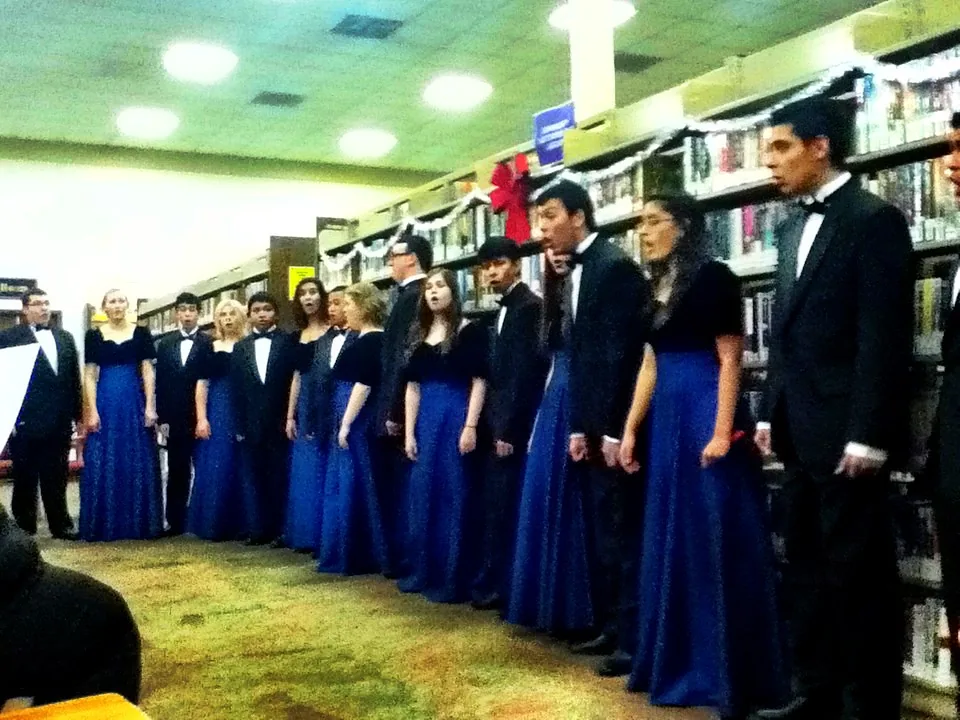
The role of the choir in these great interpretations is equally essential. Prestigious ensembles such as the Namur Chamber Choir, the Choir of King’s College, Cambridge, and Concentus Musicus Wien have brought their unique vision to this work.
We will mention performances given at iconic venues such as the Grand Manège in Namur and at the Aix-en-Provence Festival. These events provide occasions when Mozart’s sacred music takes on a special resonance.
The different interpretive approaches will be compared. Some versions are historically informed and use period instruments, while others adopt a more Romantic reading with a large orchestra. Each approach reveals different facets of the work.
For those who wish to learn more, we will provide references to recordings available on the leading streaming platforms and websites specializing in classical music. This section will guide you in choosing the most memorable versions according to your aesthetic preferences and musical sensibility.
The Reception of Laudate Dominum Through the Centuries
Since its creation at Salzburg Cathedral, this piece has left an indelible mark on the musical world. The work has been performed and admired continuously, becoming one of the most beloved sacred pieces in the classical repertoire.
This section traces the reception of this composition from its creation in 1780 to the present day. We will analyze how the work was perceived across different periods.
Comments by Amadeus Mozart’s contemporaries, though rare, shed light on the work’s initial impact. The first editions of the score also played a crucial role in its dissemination during the 19th century.
In the 20th century, the rediscovery of Mozart’s sacred music was marked by renewed interest in classical works. This movement helped make Laudate Dominum one of the compositions most frequently programmed at sacred-music concerts.
We will examine the evolution of musical tastes over the years. This piece has endured through time without ever losing its freshness or its ability to move listeners.
The work’s presence on streaming sites and digital platforms attests to its enduring popularity. It continues to attract an increasingly broad and diverse audience.
Originally conceived for a specific liturgical setting, this work has won over concert halls throughout the world. It has established itself as a staple of the repertoire for soprano and choir.
This historical perspective allows us to measure the lasting impact of Mozart’s genius. Laudate Dominum occupies a unique place in the pantheon of Western music’s masterpieces.
| Period | Reception |
|---|---|
| 1780 | Created at Salzburg Cathedral and appreciated by contemporaries. |
| 19th century | Disseminated through the first editions of the score. |
| 20th century | Rediscovered during the revival of classical music. |
| Present day | Available on digital platforms for a broad audience. |
As a musicologist said:
“This work transcends the ages, touching the heart of every generation.”
The Influence and Place of Laudate Dominum in Sacred Music and the Vespers Genre
Amadeus Mozart’s sacred work belongs to a rich musical heritage, particularly within the Vespers genre. This iconic piece not only left its mark on its own period, but also influenced many later composers.
We will explore the impact of the Laudate Dominum on sacred music and its prominent place within the specific genre of solemn Vespers. This body of music, spanning the Renaissance through the Classical period, was developed by composers such as Monteverdi, Vivaldi, and Haydn.
Comparison with works by his predecessors and contemporaries, such as Monteverdi’s Vespers of the Blessed Virgin or Vivaldi’s Vespers, highlights the originality of Mozart’s style. The works of Michael Haydn, Joseph Haydn’s younger brother, also illustrate this tradition.
The purity of the melodic line, the balance between soloist and choir, and the work’s spiritual depth have inspired many musicians in the field of sacred music. This style has kept alive the tradition of Latin-language masses and Vespers, even after the liturgical reforms of the Second Vatican Council.
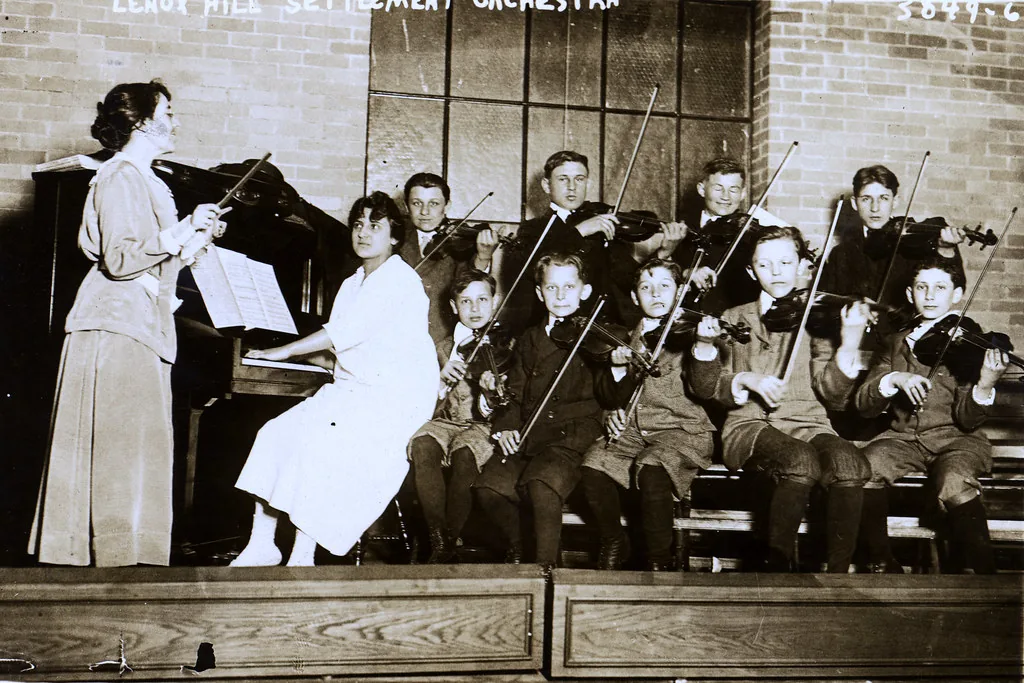
This piece has acquired a unique place in the choral repertoire. It has become a benchmark for choirs around the world, from amateur ensembles to the most prestigious professional groups.
We will also discuss the influence of the Laudate Dominum on other musical genres. Its timeless melody has been used in film music and popular culture, where it often evokes spirituality and serenity.
Reflecting on the work’s legacy helps us understand why the Laudate Dominum remains an essential reference among the masterpieces of sacred music and continues to inspire 21st-century musicians.
| Elements | Details |
|---|---|
| Genre | Solemn Vespers |
| Influential composers | Monteverdi, Vivaldi, Haydn |
| Impact on sacred music | Influence on future generations |
| Choral repertoire | Worldwide benchmark |
| Influence on other genres | Film music, popular culture |
Resources and Avenues for Deepening Your Knowledge of Laudate Dominum
Several resources are available for those who wish to deepen their understanding of this iconic work. Whether you are a music lover, student, or music professional, these suggestions will help you explore Mozart’s musical world.
- We recommend reference websites where you can consult the original score free of charge. IMSLP (International Music Score Library Project) offers downloadable facsimiles and modern editions for an in-depth study of the work.
- Streaming platforms such as Spotify, Apple Music, and Deezer allow you to listen to remarkable recordings. You can thereby compare different interpretations of Laudate Dominum.
- For those who wish to pursue more in-depth musicological research, we recommend authoritative books. For example, the Mozart biography by Brigitte and Jean Massin is an excellent resource.
- The Namur Chamber Choir regularly presents sacred-music concerts. This is a wonderful opportunity to hear the work performed by talented artists.
- Documentary resources can help you contact Mozart societies, music libraries, and conservatories. These institutions often organize lecture series about the composer’s work.
- Finally, those wishing to learn more about the liturgical context can explore further reading on the history of Vespers and 18th-century sacred music.
This section is intended as a practical and accessible guide for anyone wishing to continue exploring Laudate Dominum beyond this article.
Conclusion
The magic of this work lies in its ability to move listeners across the ages. At the end of this ultimate guide, we have explored the importance of this piece within the classical repertoire. Its historical origins in Salzburg in 1780, the beauty of Psalm 116, and the perfection of its musical writing are all key elements.
Composed more than 240 years ago, this work continues to touch hearts through its simplicity and spiritual depth. Reading this article has allowed you to discover its many facets: its liturgical context, its musical analysis, and its lasting influence on sacred music.
We hope this site has given you the keys to appreciate this work fully, whether through attentive listening or a choral performance. Among all Mozart’s creations, this one occupies a special place: that of a universal musical prayer.
We invite you to continue exploring sacred music, an inexhaustible treasure that reveals new beauty with every listening. May this guide accompany you as you discover a masterpiece that, many years after its creation, has lost none of its power to inspire wonder.