
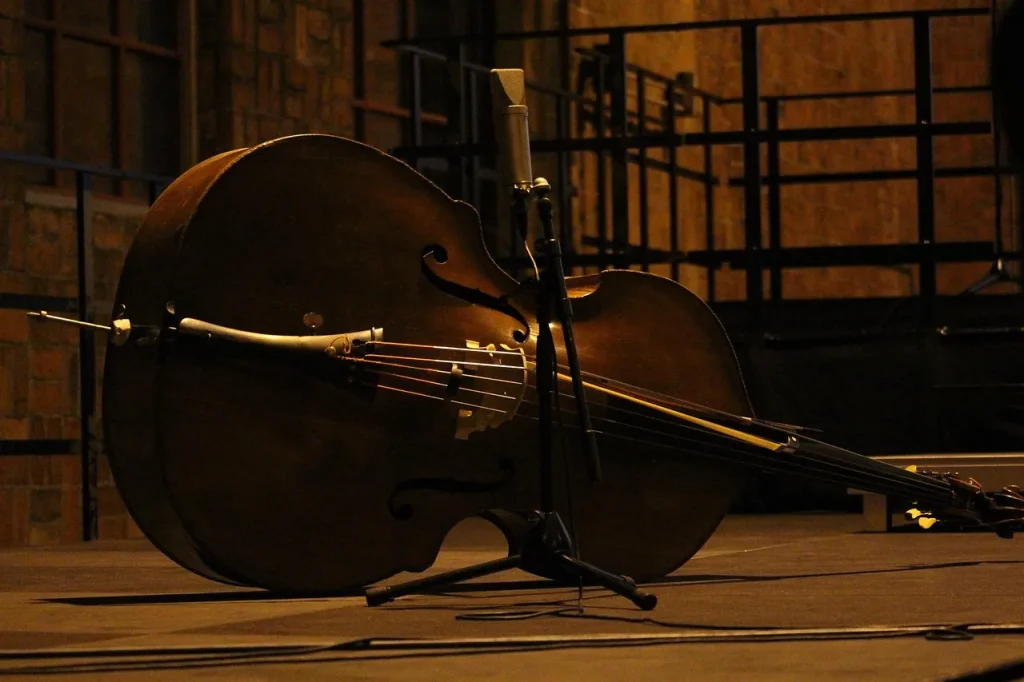
A symphony orchestra is a musical ensemble comprising three families of instruments: strings, wind instruments (woodwinds and brass), and percussion. The composition of orchestras has evolved over time, moving from a wide variety of instruments to the formation we know today. In the eighteenth century, the form of the symphony orchestra began to become standardized, with the gradual addition of instruments such as oboes, bassoons, horns, trumpets, and timpani. During the Romantic period, sections were organized in threes, with instruments such as the piccolo, English horn, bass clarinet, saxophones, contrabassoon, trombones, and tuba being added. By the beginning of the twentieth century, a symphony orchestra could include more than eighty musicians, or even over a hundred. The orchestra’s exact size depends on the work being performed. The strings form the most consistent part of the orchestra and are divided into five sections: first violins, second violins, violas, cellos, and double basses. The woodwinds, generally positioned behind the strings, can vary in number, as can the brass. Percussion has also evolved considerably over time. Today, symphony orchestras are mainly used to perform symphonic works and concertos in concert halls, as well as to accompany opera and dance performances.
The Composition of Symphony Orchestras
The composition of orchestras can vary, but a symphony orchestra generally has more than eighty musicians, and sometimes over a hundred. The different instruments are grouped into several sections: strings, wind instruments, percussion, and sometimes keyboards.
Wind instruments are generally divided into two main sections: the woodwind section and the brass section. The woodwind section includes flutes, oboes, clarinets, and bassoons. The brass section includes horns, trumpets, trombones, and tubas.
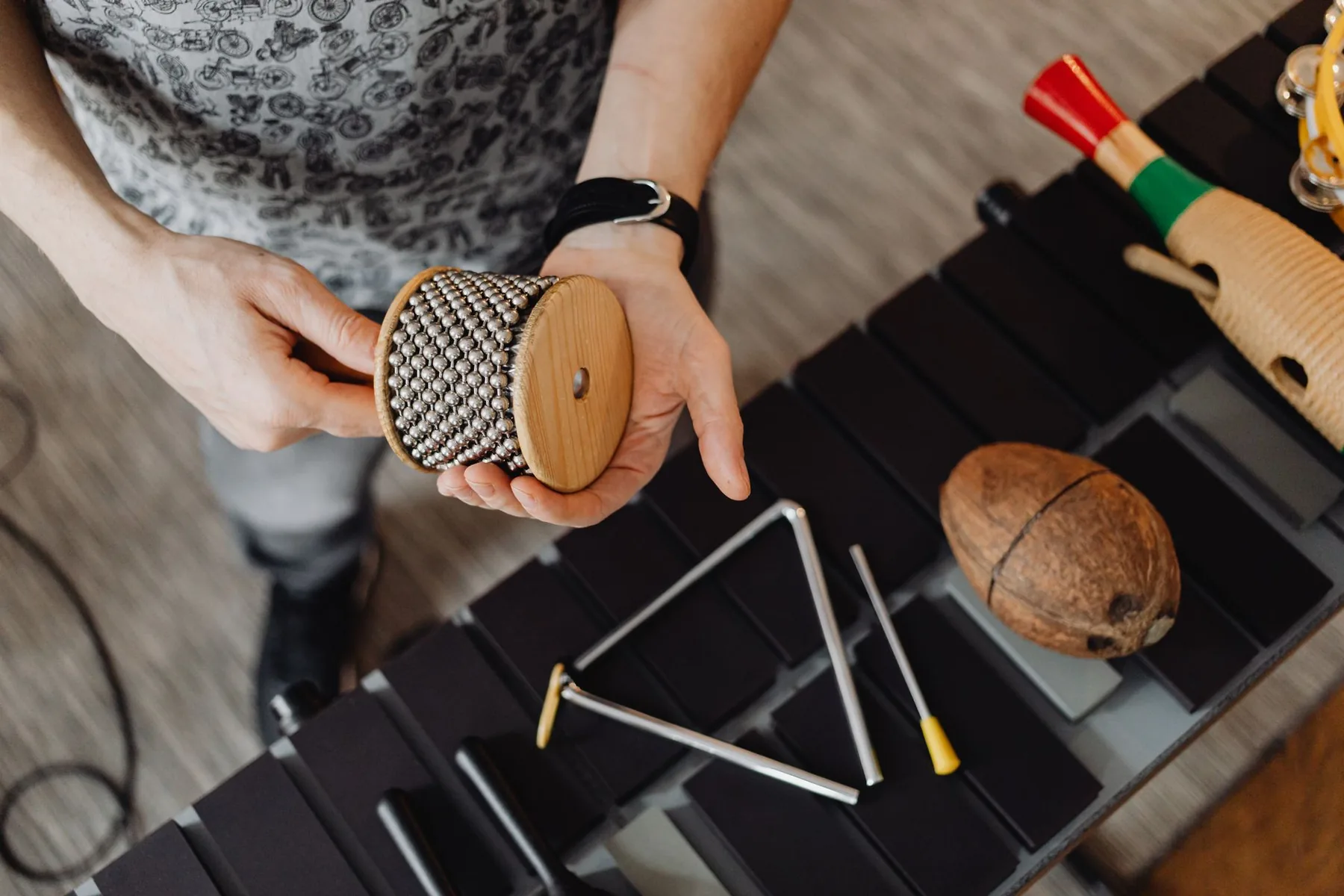
Percussion instruments are also present in the symphony orchestra. They are positioned at the back of the stage and are often used to give the music rhythm. Percussion instruments may include timpani, cymbals, drums, triangles, xylophones, and maracas.
Despite the diversity of its sections, the strings make up the largest part of the symphony orchestra. This section consists of five different groups of instruments: first violins, second violins, violas, cellos, and double basses. The strings are often positioned at the front of the stage, directly in front of the conductor.
The size of a symphony orchestra can vary according to the work being performed and the resources available. In the twentieth century, symphony orchestras were often reduced in size because of economic or political difficulties. However, small chamber orchestras and sinfonietta orchestras also became popular because of their more modest numbers.
In conclusion, the composition of symphony orchestras depends on the work, the period, and the practical and financial resources available. Symphony orchestras continue to attract large audiences to concert halls around the world, offering listeners a unique and impressive musical experience.
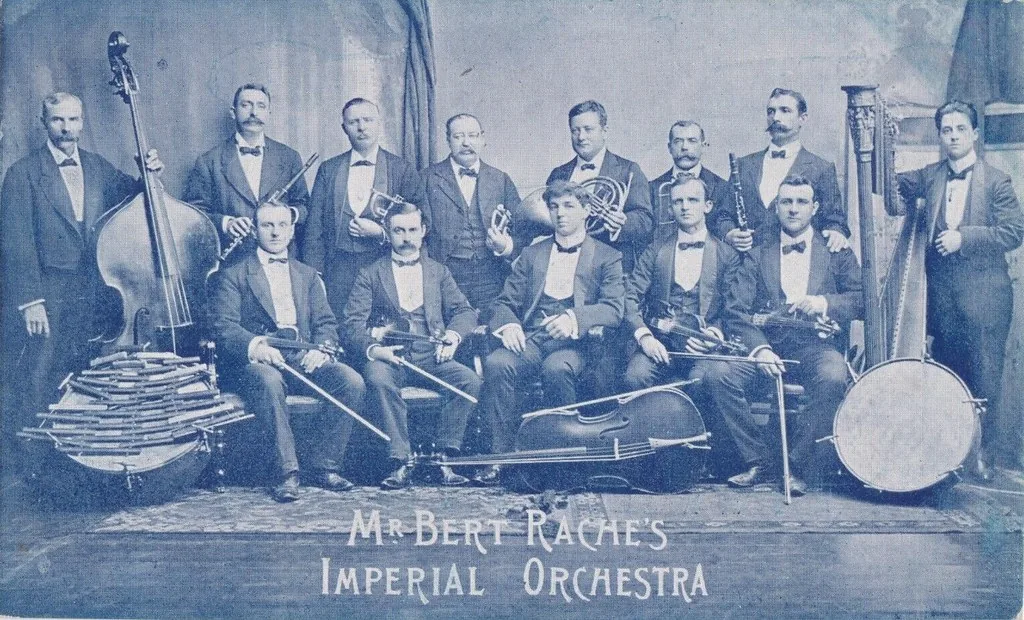
The Strings in a Symphony Orchestra
The strings are often arranged in a semicircle to the conductor’s left and are followed by the winds and percussion. They play an essential role in a symphony orchestra, helping to create the rich and complex sound for which these ensembles are known.
The strings belong to the family of string instruments, alongside the wind instruments (woodwinds and brass) and percussion. Traditionally, a symphony orchestra consists of several string sections, including first violins, second violins, violas, cellos, and double basses. Bowed strings—that is, instruments that produce sound when a bow is drawn across their strings—are often used in a symphony orchestra.
Each string section consists of a principal player, who performs solo passages and leads sectional rehearsals, as well as other musicians known as section players. The string sections are often arranged with the first violins to the conductor’s left, followed by the second violins, violas, cellos, and double basses.
The strings are considered the most consistent part of the symphony orchestra, and their numbers may vary depending on the type of orchestra and the work being performed. String instruments such as the violin, viola, cello, and double bass are the instruments most commonly used in a symphony orchestra.
In addition to the strings, the symphony orchestra also includes wind instruments (flutes, oboes, clarinets, and bassoons) and percussion. Among the woodwinds, the piccolo, English horn, bass clarinet, and contrabassoon play important roles. The strings and woodwinds work together in harmony to create the rich and complex sound of a symphony orchestra.
The size of a symphony orchestra can vary, ranging from a small chamber ensemble to a massive orchestra with more than one hundred musicians. The orchestra’s composition depends on the work being performed and the composer’s choices. The symphony orchestra has evolved over time, with composers such as Mozart, Beethoven, and Mahler pushing the limits of its size and complexity.
In summary, the strings are an essential component of a symphony orchestra, alongside the wind instruments and percussion. They play a fundamental role in creating the sound and harmony of a symphony orchestra. The size and composition of the orchestra may vary according to the work being performed, but the strings remain the enduring foundation of this musical ensemble.
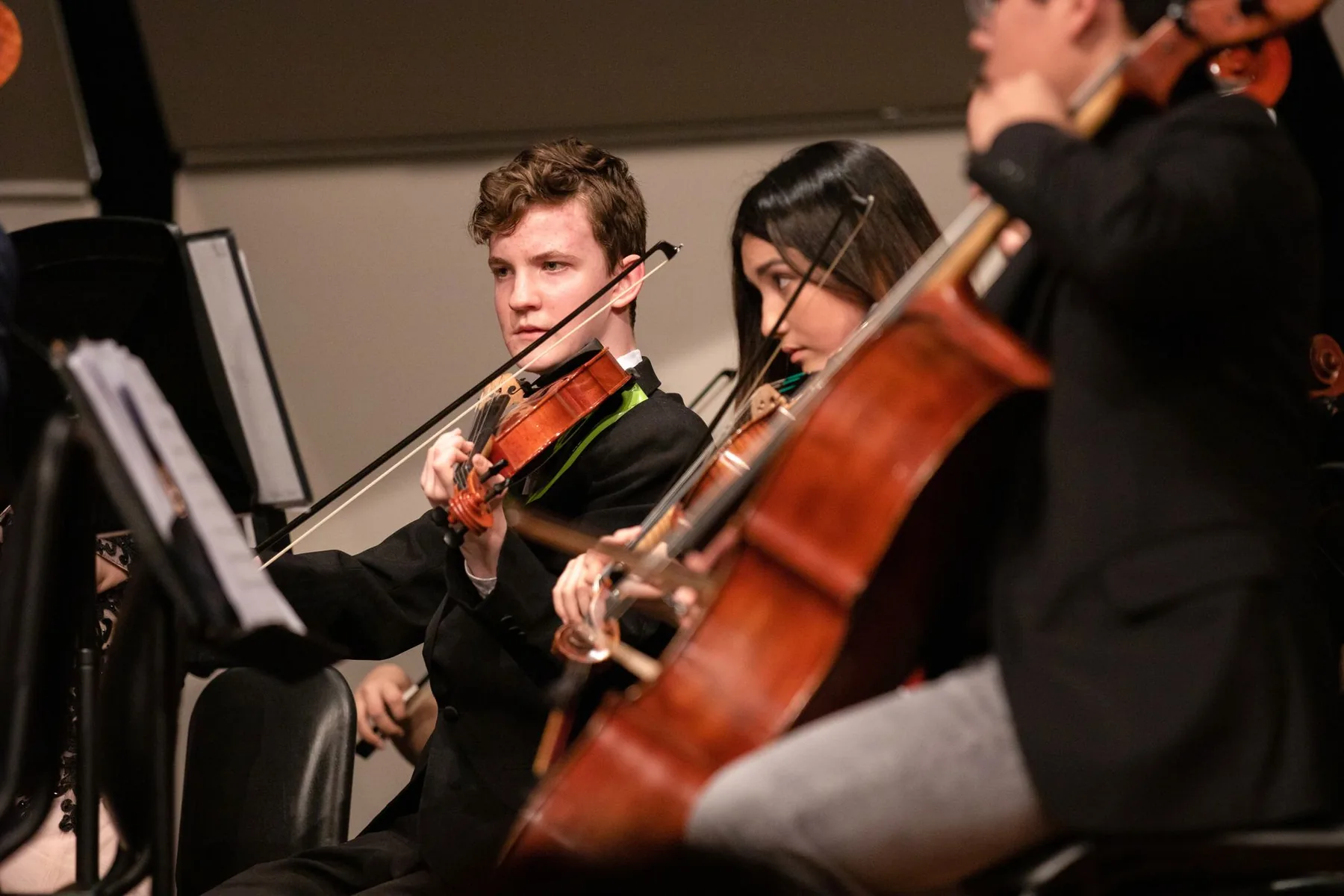
Wind Instruments in a Symphony Orchestra
The winds may include flutes, oboes, clarinets, and bassoons, sometimes accompanied by saxophones and trombones. This section is important in the symphony orchestra, providing sonic power, richness of tone, and solo passages. The woodwinds form an important orchestral section, generally positioned behind the strings, with a separate section for each type of instrument. The strings, meanwhile, constitute the most consistent and largest part of the symphony orchestra, with sections of first violins, second violins, violas, cellos, and double basses arranged from the conductor’s left to right.
Wind instruments play an essential role in the symphony orchestra, adding both sonic power and tonal diversity to the musical ensemble. They are used in every musical genre, including symphonic music, film music, video games, and opera accompaniment. The symphony orchestra’s woodwind section generally includes flutes, oboes, clarinets, and bassoons. Percussion can also play an important role, adding textures and colors to the musical ensemble.
Overall, wind instruments hold an important place in a symphony orchestra, adding an essential sonic dimension to the musical ensemble. The symphony orchestra makes use of all the expressive resources of wind instruments, whether in symphonic music, film music, or opera accompaniment. The size of a symphony orchestra varies according to the work being performed, but it can generally include more than eighty musicians and may even exceed one hundred instrumentalists. Technological advances enabled the arrival of new wind instruments such as the tuba and trombone. In summary, wind instruments are essential to the composition of a symphony orchestra, adding both sonic power and tonal diversity to the musical ensemble.
Percussion in a Symphony Orchestra
Percussion instruments are also present in a symphony orchestra, adding rhythmic sounds and texture to the music. They play an essential role in the orchestra’s richness of sound and musical diversity. Percussion instruments produce sounds by being struck, rubbed, or shaken.
Musicians who play percussion need particular skills, especially in reading rhythmic scores and coordinating with the rest of the orchestra. Percussion instruments can be used to create dramatic and rhythmic sound effects.
Percussion instruments are generally positioned at the back of the symphony orchestra, behind the brass and string sections. Percussion instruments are often used to accompany the orchestra’s other instruments, but they may also play a solo role in certain works.
The percussion instruments most commonly used in a symphony orchestra are timpani, cymbals, xylophone, glockenspiel, drums, and marimbas. Timpani are tunable drums that produce melodic sounds. Cymbals can produce a variety of sounds, from the softest to the loudest. The xylophone and glockenspiel are melodic percussion instruments that produce clear and distinct sounds. A drum can produce a range of different sounds depending on its size and the tension of its head. The marimba is a melodic percussion instrument similar to the xylophone, but with larger bars and resonator tubes positioned underneath.
The history of the symphony orchestra has been shaped by the evolution of percussion, with new instruments and techniques being added over the centuries. Percussion became increasingly important over time, adding texture and depth to orchestral pieces.
In summary, percussion is a key element of the symphony orchestra, adding rhythmic sounds and texture to the music. Percussionists possess particular skills and play an important role in coordinating the orchestra. Percussion encompasses a variety of instruments that produce different sounds, each making its own contribution to the symphony orchestra as a whole.
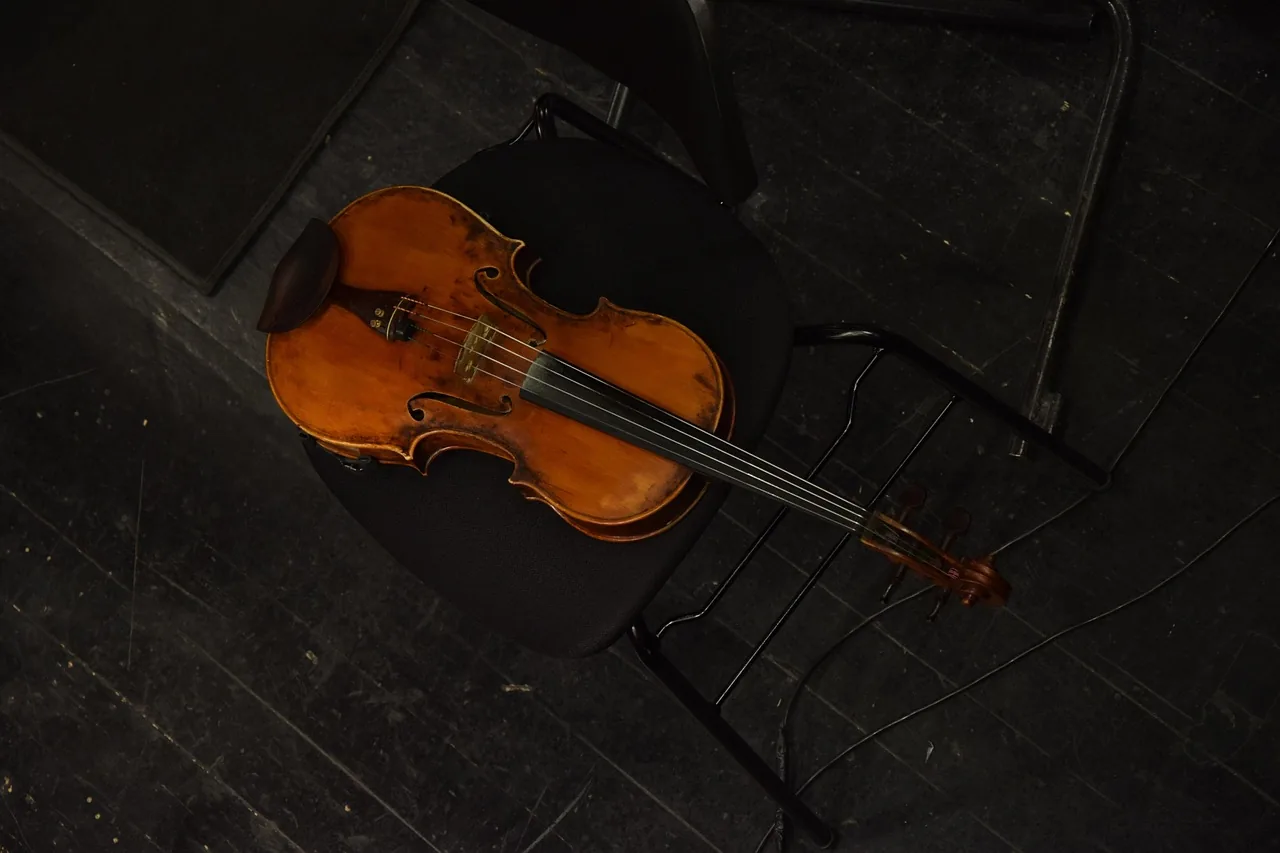
The Evolution of Symphony Orchestras
The size of an orchestra depends on the work being performed, and throughout history orchestras have evolved in response to compositions and technological advances. Originally, orchestras consisted of a wide variety of instruments. However, in the mid-eighteenth century, the form of the symphony orchestra began to become standardized, with the gradual addition of oboes, bassoons, horns, trumpets, and timpani.
The Classical period saw winds paired together, while the Romantic period saw sections organized in threes. Percussion also evolved considerably during this period. Composers began using new percussion instruments such as the military drum, bass drum, and cymbals. These instruments were used to add color and emotion to the music.
The principal function of a symphony orchestra is to perform symphonic works and concertos in concert halls, as well as to accompany opera and dance performances in opera houses. Film and video-game composers also use the resources of the symphony orchestra to create captivating and immersive soundtracks.
The symphony orchestra comprises three families of instruments: strings, winds (woodwinds and brass), and percussion. Each section includes a principal player, while the other musicians are known as section players. The arrangement of sections may vary according to the orchestra and the staging.
The strings form the most consistent part of the orchestra and are divided into five sections: first violins, second violins, violas, cellos, and double basses. The woodwinds, generally positioned behind the strings, include flutes, oboes, clarinets, and bassoons. Each type of instrument forms a section comprising several musicians. The brass includes horns, trumpets, trombones, and tubas. Percussion is also present in the symphony orchestra and includes instruments such as timpani, cymbals, bass drum, drum, xylophone, and glockenspiel.
The symphony orchestra has evolved throughout the history of music, moving from ensembles of diverse instruments to more structured formations. The size of an orchestra depends on many factors, including the works being played, practical and financial conditions, and the evolution of concert halls. Technological developments and political upheavals have also affected the size and composition of orchestras.
Orchestra size has varied over time, moving from the small ensembles of the Renaissance to the large orchestras of the nineteenth century before shrinking during the twentieth century because of economic constraints. Nevertheless, the symphony orchestra remains a key element of musical culture around the world and continues to evolve with technological advances and new compositions, delivering ever more spectacular performances.
Conclusion
In conclusion, a symphony orchestra contains a significant number of instruments divided among the strings, wind instruments, and percussion. Throughout history, the size and composition of orchestras have evolved considerably in response to the works being played, practical and financial conditions, and technological developments. Despite these variations, the symphony orchestra remains an essential musical institution offering a rich and diverse repertoire.
Source Links
- https://en.wikipedia.org/wiki/Orchestra
- https://www.lso.co.uk/learn-and-discover/digital-activities-and-resources/how-to-build-an-orchestra/
- https://www.jacksonsymphony.org/wp-content/uploads/CMS_Teachers_Packet.pdf
- https://andersonsymphony.org/symphony-for-kids-instruments/
- https://www.greeleyphil.org/instruments
- https://www.konserthuset.se/en/play/the-orchestral-instruments-the-percussion/
- https://www.metmuseum.org/met-publications/watteau-music-and-theater
- https://www.kuraplan.com/free-images/orchestra_seating_plan_birds_eye
- https://philharmonia.co.uk/resources/orchestra-unwrapped-resources/
- https://osm.ca/en/news/symphonic-childrens-corner/