
Die Walküre, the second opera in Richard Wagner‘s tetralogy Der Ring des Nibelungen, was composed between 1856 and 1870. This opera is considered a major work because of its powerful themes and complex characters. It continues to resonate today.
Wagner, a German composer, revolutionized Romantic opera. He introduced philosophical depth and harmonic innovations to it. These elements took emotional expression to new heights.
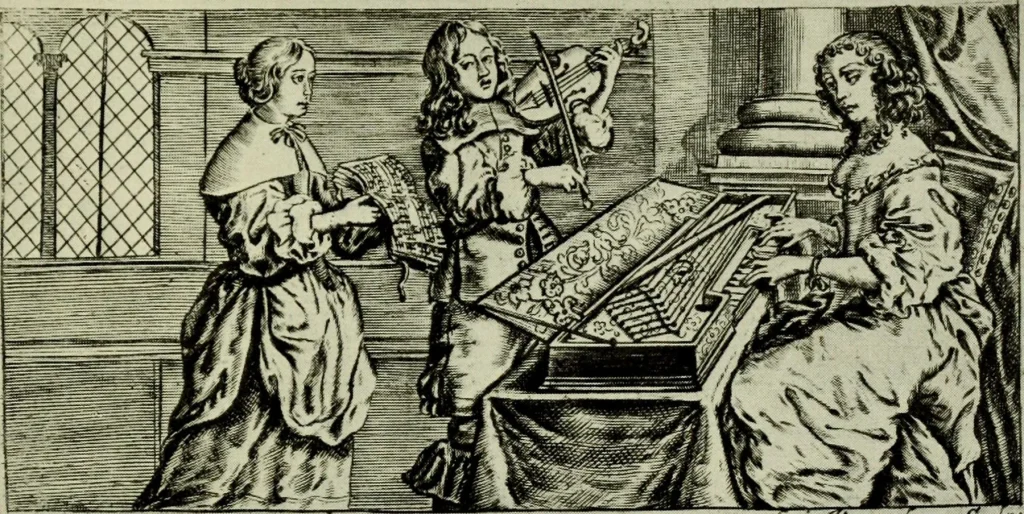
Romantic music, which spans the early to late nineteenth century, emphasizes emotion and individual expression. Artists such as Chopin and Liszt, contemporaries of Wagner, achieved fame comparable to that of today’s rock stars. “Lisztomania” swept through crowds of fans.
Romantic opera, whose works are often grand in scale, continues to influence many modern composers. The impact of Die Walküre remains constant and continues to inspire lasting interest. This attests to Wagner’s importance in music history.
Historical context of Die Walküre
Die Walküre, Richard Wagner‘s second opera, emerged from a rich historical context. This Romantic period greatly influenced Wagner. It sought to express emotion, celebrate individuality, and reclaim the past.
The Romantic period and its influences
Romanticism shaped the nineteenth century from beginning to end. It touched every aspect of culture. The revolutions of 1848 strengthened the desire for freedom and expression.
Wagner drew inspiration from the works of Beethoven and Schubert. Their profound themes influenced Die Walküre. The opera thus becomes a journey into the depths of humanity.
Major events during the opera’s creation
Die Walküre encountered difficulties during its creation. It premiered in Munich in 1870 after extensive revisions. Written from 1849 to 1876, it required constant exploration.
Wagner created more than 80 leitmotifs. Each leitmotif represents a thought or emotion. This enriches the performances and makes each production unique.
The opera draws inspiration from Germanic mythology. This creates a link between the past and the present. Die Walküre is therefore a pillar of opera.
Musical analysis of Die Walküre
Die Walküre by Richard Wagner marks a turning point in classical music. It introduced revolutionary harmonic innovations. These innovations opened new avenues for musical expression and influenced future composers.
Wagner uses a rich and expressive palette of sound. Its depth and expressiveness are astonishing.
Wagner’s harmonic innovations
Wagner uses complex harmonies in this opera. He employs chromatic chords to create a tense atmosphere. This technique draws the listener into the musical drama.
Wagner’s harmonic innovations are not merely experiments with tonality. They structure the emotions and development of the characters. Every harmonic choice illustrates the conflicts faced by the protagonists of Die Walküre.
The motifs and their meanings
A musical analysis of Die Walküre highlights the importance of its motifs. These motifs, or “leitmotifs,” are associated with characters or ideas. The Valkyrie motif symbolizes the duality between protection and war.
These thematic elements structure the work and deepen its emotional meanings. Wagner creates a connection between music and drama, adding a new dimension to his works.
For more information about Wagner’s musical analysis, explore his motifs and their impact on classical composition.
The impact of Richard Wagner’s Die Walküre on classical music
Die Walküre is a pillar of classical music. It changed Romantic opera forever. This opera, part of the Ring of the Nibelung tetralogy, revolutionized music. Wagner paved the way for deeper explorations of emotion and storytelling.
Influence on Romantic opera
Die Walküre profoundly influenced Romantic opera. It changed the structure of opera and introduced new harmonies. Composers such as Puccini and Verdi were inspired by Wagner.
Wagner revolutionized Romantic opera through his orchestration. He enabled unprecedented dramatic and emotional exploration.
Impact on other contemporary composers
Die Walküre influenced other composers, including Richard Strauss and Gustav Mahler. They adopted Wagner’s mythological themes and emotional intensity. Their works continued to explore human feelings.
Wagner changed music and opened new paths for future composers. His music was even used during the Second World War to encourage troops and civilians. This is discussed in a podcast about the use of music during wartime.
The legacy of Die Walküre in popular culture
Richard Wagner’s Die Walküre has left a profound mark on popular culture. It has significantly influenced film and television. Many productions have drawn inspiration from this work and reached diverse audiences around the world.
Depictions of Die Walküre in film and television
Die Walküre has been used in famous films such as Apocalypse Now. Wagner’s music adds dramatic depth to the scenes. It also appears in television series, making Wagner’s work accessible to a broad audience.
Its inclusion in modern productions keeps Die Walküre alive in our culture. It creates cultural repercussions that testify to its lasting impact.
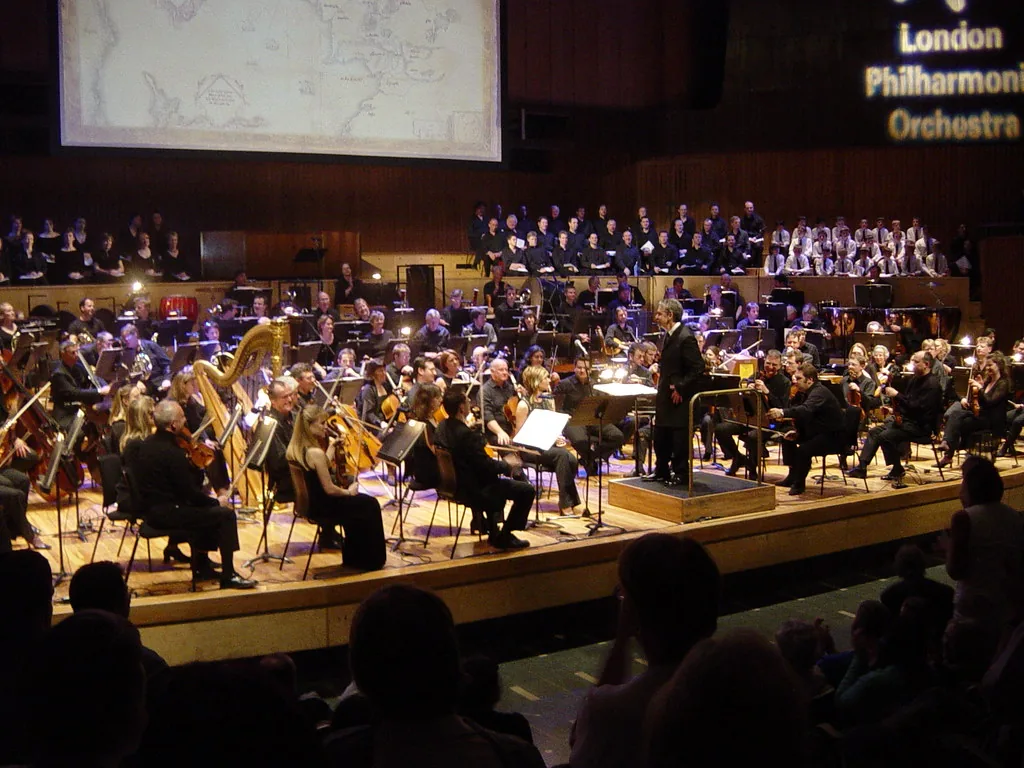
Music festivals and stage performances pay tribute to Wagner. This interaction between his music and contemporary visual arts enriches our understanding of his works.
| Production | Medium | Impact |
|---|---|---|
| Apocalypse Now | Film | Heightens dramatic tension |
| Various television series | Television | Makes Wagner accessible to the general public |
| Music festivals | Concerts | Pay tribute to Wagner’s legacy |
Conclusion
Richard Wagner’s Die Walküre changed classical music. It demonstrated how music could express human emotions. This made Wagner a major innovator.
Wagner left a legacy that still shapes today’s culture. His music is used in major films. For example, Apocalypse Now and Star Wars have used his themes.
Die Walküre is more than just a work of art. It changed music forever. It continues to captivate audiences in every era.