

In a symphony orchestra, the oboe usually plays the “A” so that all the instruments can tune to the same reference pitch. This note is essential because it allows all the musicians to play in harmony. The oboe therefore plays a key role in tuning the orchestra.
The “A” is also known as the concert pitch in an orchestra. Once the oboe has played this note, the other string instruments, such as the violin, double bass and cello, tune accordingly. The concertmaster then confirms that the strings are in tune.
If the oboe is unavailable for any reason, other instruments may take over. For example, the clarinet can also give the “A.” However, the choice of instrument depends on the orchestra and the conductor’s preferences.
Once tuning is complete, the orchestra is ready to begin the concert. It is important to note, however, that instruments tend to go out of tune while being played because of factors such as temperature and humidity. The instruments may therefore need to be retuned during the intermission to ensure a harmonious performance.
The oboe’s role in tuning the orchestra
Some sources state that the oboe plays an essential role in tuning the orchestra by providing the note “A.” This note is crucial because it serves as a reference that allows every member of the orchestra to tune their instrument to the same pitch. The oboe is traditionally chosen to provide this note because it is considered stable, while its clear, easily identifiable tone helps every musician locate the reference pitch.
If the oboe is absent, the clarinet can take over. However, the oboe remains the preferred instrument because its distinctive tone is easier to recognize. Other wind instruments can also provide the “A,” including the recorder, trumpet and horns, but they are used less often than the oboe or clarinet.
The orchestra tunes methodically. The winds tune first, followed by the strings, often beginning with the cellos and double basses. During the concert, instruments tend to go out of tune because of factors such as temperature, humidity and playing. The orchestra therefore usually retunes during the concert. The oboe serves as the reference because of its distinctive and consistent tone. It enables each musician to find the reference pitch within the ensemble and tune accordingly.
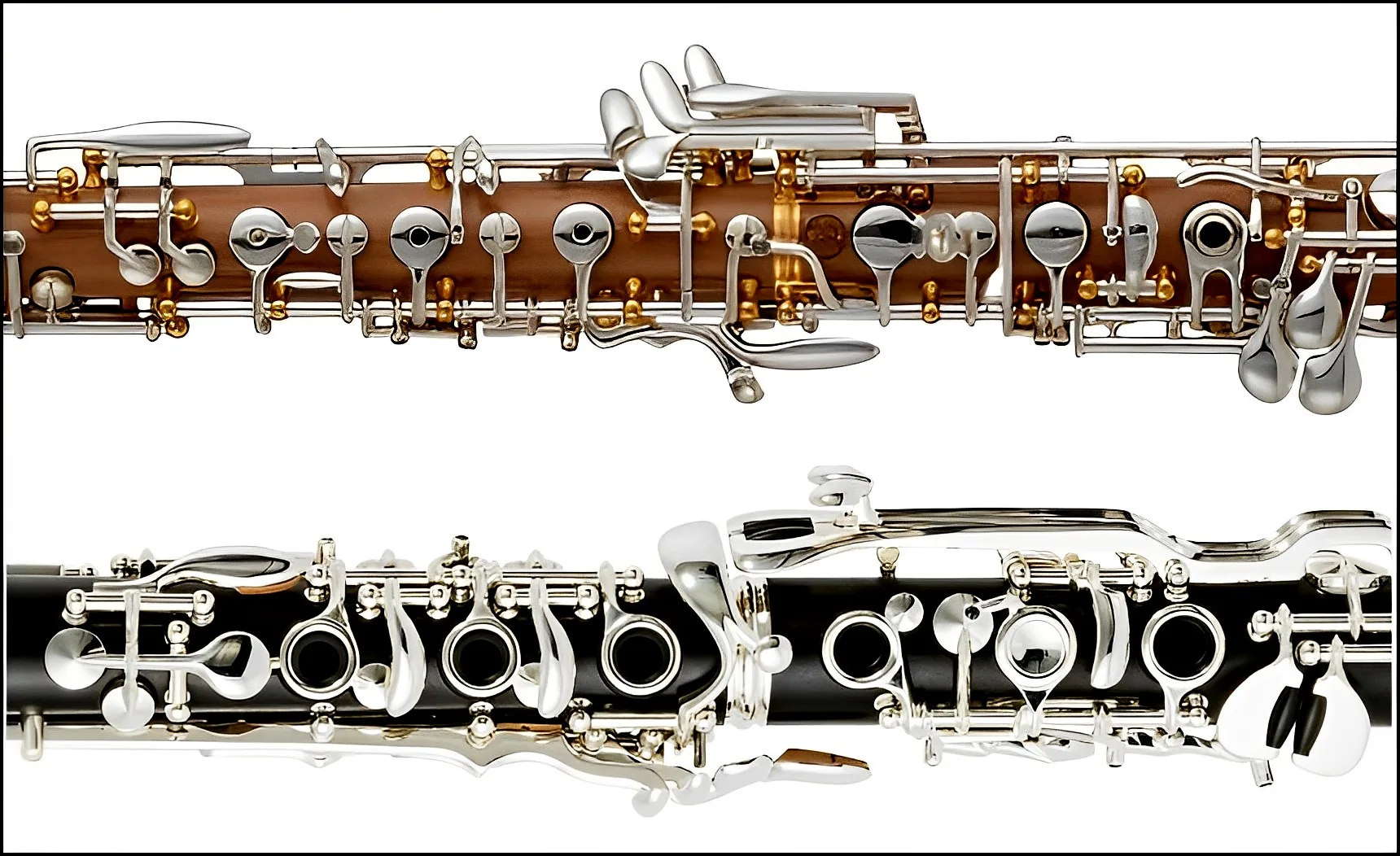
In summary, the oboe’s role in tuning the orchestra is vital to ensuring a harmonious, consistent sound. Its clear tone makes it easier to tune the other instruments and helps the ensemble remain in tune during a concert.
Other instruments that can give the tuning note
During the orchestral tuning process, the oboe is traditionally the instrument that gives the “A.” If the oboe is unavailable, the clarinet can also perform this role. The alternatives are fairly limited, however. Wind instruments are generally the most likely to give the “A” in the absence of an oboe or clarinet. Instruments such as the recorder, English horn and trumpet can all play the reference note, but they are used less often than the oboe or clarinet.
Passing the “A” to the other wind instruments and strings
Passing the “A” to the other wind instruments and strings is a crucial step in ensuring that a symphony orchestra is perfectly in tune. Traditionally, the oboe is responsible for bringing everyone into agreement. It gives this “A” to the other wind instruments and then to the concertmaster, who oversees the tuning of the other string instruments.
| Instrument | Tuning procedure |
|---|---|
| Wind instruments | The wind instruments tune first after receiving the “A” from the oboe |
| Concertmaster | The concertmaster uses the oboe’s “A” to oversee the tuning of the other string instruments |
Once each section has tuned its A string to the desired pitch, the rest of the orchestra fine-tunes its instruments. To save time, however, the oboe may sometimes give its “A” and everyone may tune individually. It is also important to retune instruments during the concert because playing, temperature and humidity tend to make them go out of tune. Finally, the tuning process serves as a cue for the musicians and audience that the concert is about to begin.
The importance of tuning the orchestra
Tuning the orchestra is important because every instrument must use the same reference pitch if the ensemble is to sound in tune. Once each section has tuned its A string to the desired pitch, the rest of the orchestra tunes accordingly. Traditionally, the oboe brings everyone into agreement. Once the winds are in tune, the oboe gives the A to the concertmaster, who then supervises the tuning of the strings. This produces a consistent sound and avoids unpleasant sonic clashes.
Furthermore, instruments tend to go out of tune, particularly because of external factors such as temperature and humidity. It is therefore essential to retune during intermissions to ensure a high-quality, harmonious performance. Tuning also serves as a cue for the musicians and audience, marking the beginning of the concert.
In short, tuning the orchestra is essential to ensuring a high-quality musical performance. Instruments going out of tune is inevitable, but retuning ensures that each instrument plays at the correct pitch and that the orchestra’s overall sound is harmonious and pleasant for listeners.
The difficulties of staying in tune during a concert
It is important to note that instruments tend to go out of tune as a concert progresses because of temperature, humidity and the age of the strings, sometimes making retuning during the intermission or between pieces necessary.
Tuning becomes more complicated in a piano concerto because the piano has already been tuned and the other instruments must tune to it. Unusual situations may also arise, such as a singer whose pitch is contractually fixed but who sings higher than expected, leaving part of the orchestra tied to the pitch specified in the contract.
It is important to note that tuning the orchestra is essential to maintaining the ensemble’s cohesion and giving the audience a harmonious musical experience. While the orchestra tunes, the conductor is actively preparing backstage to lead the concert.
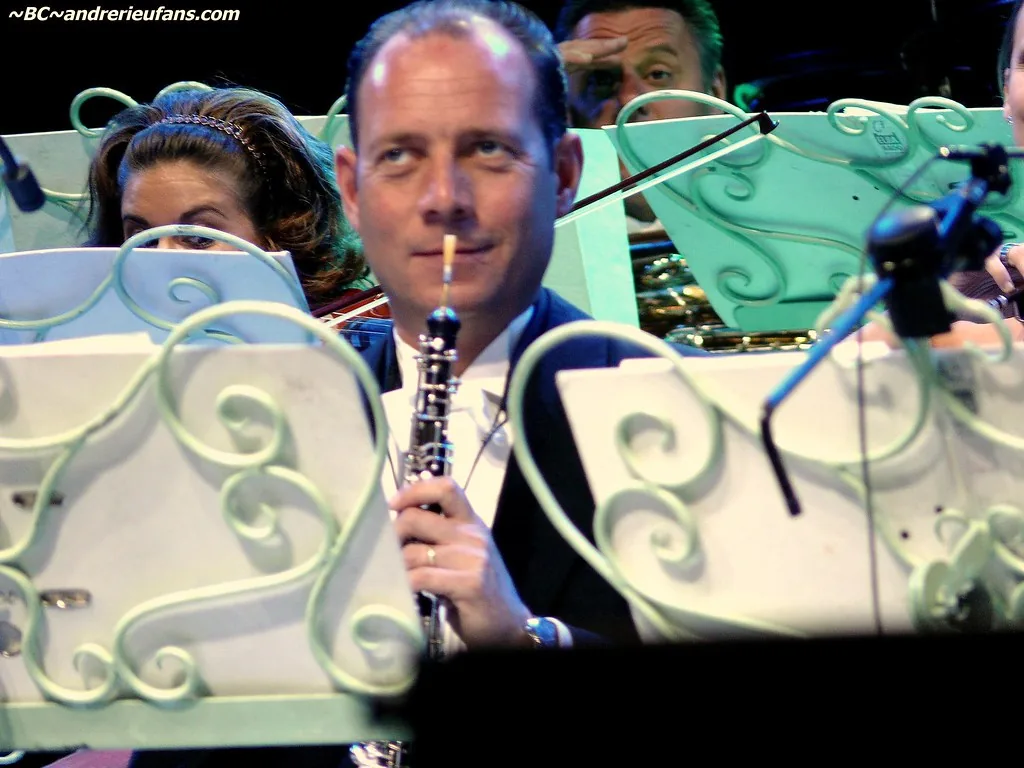
In conclusion, remaining in tune during a concert can be difficult because of various factors, including pitch variations, necessary adjustments to instruments and changes that occur during the performance. Nevertheless, tuning is essential to ensuring the orchestra’s harmony and cohesion.
Conclusion
Tuning a symphony orchestra is essential to producing a consistent sound and a harmonious performance. It is a meticulous process that enables all the instruments to play in harmony. Traditionally, the oboe gives the other musicians the “A.” Its clear, easily identifiable tone enables everyone to pick out the reference note amid the surrounding noise. Moreover, because the oboe is positioned in the middle of the orchestra, it can communicate easily with the other musicians.
An orchestra generally tunes methodically. First, the oboe tunes the wind instruments, sometimes offering a B-flat to those that prefer it. The concertmaster then takes over and supervises the tuning of the string instruments, from the lowest to the highest. Once each section has adjusted its A string to the desired pitch, the other instruments are tuned accordingly.
It is important to note that the orchestra may gradually go out of tune as the musicians play because of factors such as playing, temperature and humidity. The orchestra may therefore need to retune during a concert to remain in harmony. Harps, however, are often considered the only instruments capable of remaining in tune throughout the concert.
Tuning an orchestra is essential to obtaining a consistent tone and limiting unpleasant sonic clashes. It also serves as a cue for the musicians and audience, marking the beginning of the concert.
In conclusion, tuning a symphony orchestra is a meticulous process that enables all the instruments to play in harmony. The oboe plays a key role by giving the “A” and guiding the tuning of the other musicians. It is a crucial moment before the concert begins and may require further adjustments during the performance.
Source links
- https://clarkrundell.com/orchestra/why-orchestras-tune-to-a/
- https://phys.org/news/2024-11-oboe-tune-orchestra-tuning.html
- https://engines.egr.uh.edu/episode/1305
- https://novolearner.com/music/why-orchestras-tune-to-a-before-concert/
- https://symphonynovascotia.ca/faqs/symphony-101/why-do-the-musicians-play-a-few-notes-before-the-conductor-comes-on/
- https://caf8dbed-5bae-4bc6-964b-b7b118841934.filesusr.com/ugd/956a2c_5883af03612040ecab7bd7e92d64a86a.pdf
- https://www.musicgcse.co.uk/concerto-through-time/romantic
- https://academic.oup.com/reference/62400/reference-article-abstract/573893230
- https://hansenmedia.net/wp-content/uploads/Guide-to-Orch-Instruments.pdf
- https://resources.finalsite.net/images/v1630114824/fairfieldschoolsorg/pkx3zuosmobq8krcn4sl/ConcertOrchestraCompleteformattedwithoutassessments.pdf