
Richard Wagner was born on 22 May 1813 in Leipzig and died on 13 February 1883 in Venice. He was a major 19th-century composer. He is best known for his operas, particularly Die Walküre, which forms part of his great cycle, The Ring of the Nibelung.
The Ride of the Valkyries is a major excerpt from this opera. It is famous for its dramatic force and cultural impact. This piece has transcended classical music to become a cultural symbol, illustrating the power of Wagnerian opera.
Introduction to Richard Wagner and his work
Richard Wagner is a major figure in Romantic music. He transformed the world of opera through his innovative style. He wrote 14 operas, including “Tristan and Isolde” and “Lohengrin.”
He used leitmotifs and powerful Romantic music. This left its mark on German opera.
The first attempts to stage his operas in France failed between 1839 and 1842. After his death, however, from 1885 to 1888, his masterpiece received a better reception in France. “Tannhäuser” was harshly criticized in March 1861, limiting the number of performances.
Writers such as Charles Baudelaire and Paul Verlaine helped revive interest in Wagner. This gave rise to the “Wagnerism” movement, a new literary genre. Joséphin Péladan’s novel “Cœur en peine” illustrates this fusion of the arts.
Wagner wanted to unite the arts in order to offer a complete aesthetic experience.
To learn more about Wagner and his influence in Paris, read this detailed article.
Historical and cultural context of the opera’s creation
The Romantic opera of Richard Wagner, particularly The Ring of the Nibelung, is connected to a complex historical context. It was composed during the Revolution of 1848, a period of major change in Europe. This era left its mark on Wagner, who was influenced by revolutionary movements.
He wanted to create a work that expressed the struggles and aspirations of his time. He composed his masterpiece in Dresden, drawing inspiration from Norse mythology. This period was characterized by heroism and resistance.
Every act and every character in The Ring of the Nibelung carries profound meaning. They symbolize the struggle for German unity. Wagner conceived his opera as a total Romantic opera, combining music, theatre and poetry.
He sought to meet Germany’s need for history and identity. The Tetralogy, a series of five operas, was created to mobilize the public. This fifteen-hour total work of art was an innovation.
| Event | Year | Description |
|---|---|---|
| Revolution of 1848 | 1848 | Political and social upheaval in Europe that influenced art and culture. |
| Creation of The Ring of the Nibelung | 1848-1874 | Composition of a series of operas connected to Norse myths and German aspirations. |
| Opening of the Palais Garnier | 1875 | Reflects the growing importance of opera houses during this period. |
The Ride of the Valkyries: Richard Wagner’s masterpiece
The Ride of the Valkyries is a key moment in Richard Wagner’s work. To understand it, we must analyze its music, structure and recurring motifs. These elements are essential to Wagnerian opera.
Musical analysis and structure of the work
This piece is known for the power of its orchestration. Its energetic rhythms evoke the war waged by the Valkyries. They carry listeners away on an exhilarating musical journey.
A musical analysis reveals the use of leitmotifs. These musical themes, associated with characters or concepts, create narrative continuity. Every note is chosen to heighten the emotion and immerse the audience in this mythological world.
Themes and recurring motifs
War, bravery and destiny lie at the heart of the work. The Valkyries, warrior goddesses, symbolize struggle and the passage to Valhalla. These recurring motifs reinforce its message and help us understand the interactions between the characters.
Their presence in cinema, particularly in “Apocalypse Now”, demonstrates their cultural impact.
| Work | Year of publication | Notable uses |
|---|---|---|
| Die Walküre | 1870 | The film “Apocalypse Now” and video games such as Fortnite |
| Incidental music | 1935 | Walt Disney’s short film “Music Land” |
| Musical variation | 1963 | Federico Fellini’s film “8½” |
Symbolism of the Valkyries in Norse mythology
In Norse mythology, the Valkyries play a very important role. They choose who will live and who will die in battle. They symbolize courage, determination and the journey to Valhalla, the realm of heroes.
Wagner brought these figures to the fore in his work. He demonstrated their importance in struggle and heroism. Their symbolism extends beyond warfare and represents a spiritual journey for heroes.
Their role in “Die Walküre” illustrates the struggle against destiny. It highlights the richness of Norse mythology as well as the complexity of emotions in the face of death and sacrifice.
The connection between the Valkyries and Wagner rests on heroic archetypes. These warrior goddesses illustrate the balance between life and death. Their presence symbolizes decline and resilience. For more information, read the online text.
Impact and resonance of the work in popular culture
The Ride of the Valkyries, a composition by Richard Wagner, has left its mark on cinema and modern media. Its cultural impact is significant and deserves close examination. It demonstrates how this work influences and moves audiences.
Use in cinema and modern media
This music has transcended opera and appeared in famous films. In “Apocalypse Now,” for example, it makes the war scenes even more striking. This demonstrates how it enriches films.
It has also appeared in films, cartoons and video games. Its inclusion in different genres demonstrates its importance. It can accompany funny or sad moments, thereby revealing its emotional power.
In Germany, Regietheater gave theatre a new lease of life. Famous directors interpreted the classics in unprecedented ways. This encourages audiences to reflect on the works’ cultural and political references, enriching the theatrical experience.
| Works | Media types | Emotional impact |
|---|---|---|
| Apocalypse Now | Film | Heightening of war scenes |
| Games and animation | Video games, animated series | Evocation of varied emotions |
| Regietheater | Theatre | Thoughtful, modern reinterpretation |
The Ride of the Valkyries demonstrates how classical music influences present-day productions. It maintains a connection with contemporary arts.
Conclusion
The Ride of the Valkyries is a Richard Wagner masterpiece and a cornerstone of his musical legacy. It reaches into many fields, from films to live performances. This attests to Wagner’s impact on popular culture.
Wagner created a work that touches every heart. His musical innovations and orchestration are remarkable. The Ride of the Valkyries inspires new generations through its allure and emotional power.
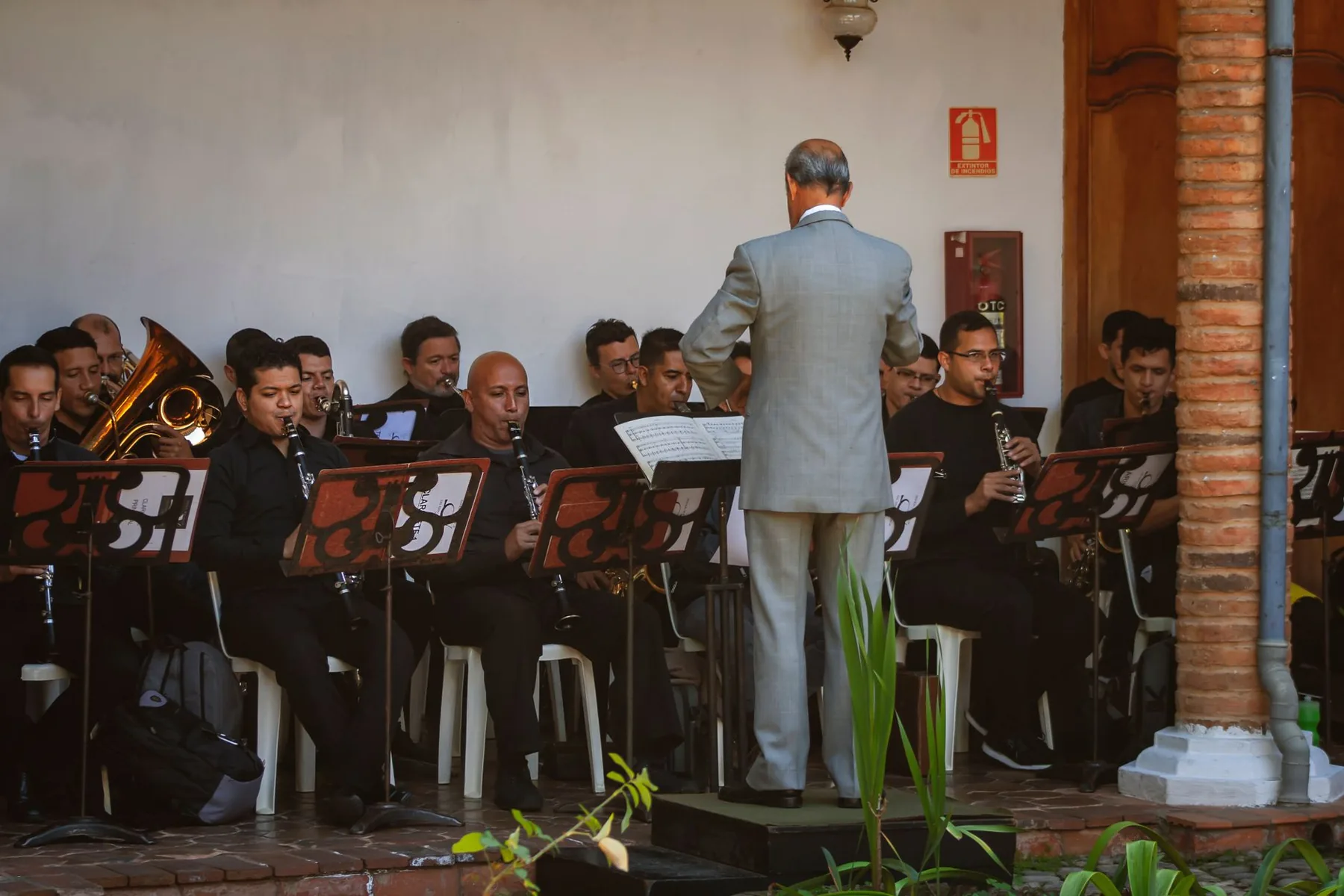
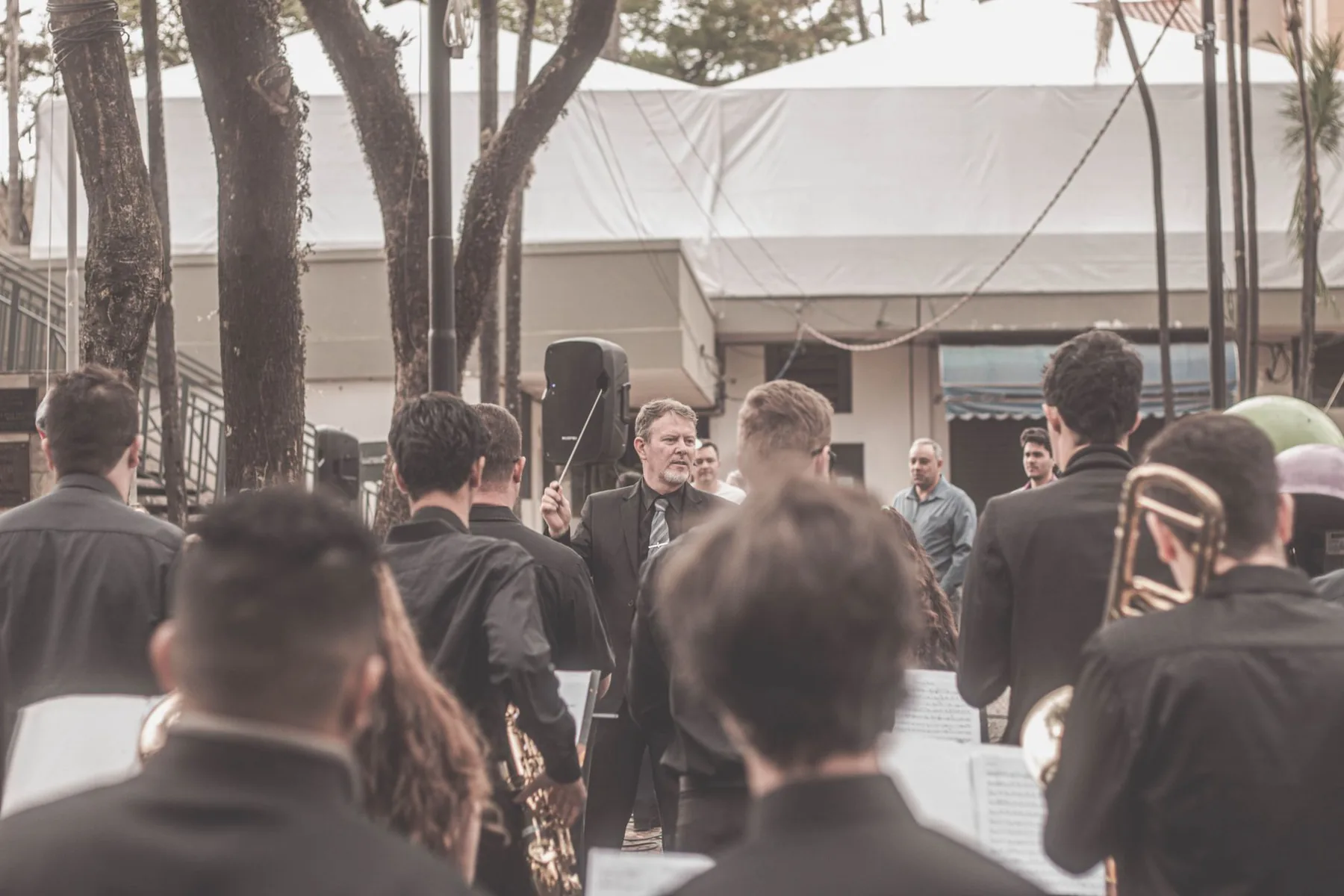
The conductor’s role is crucial in interpreting this music. To learn more, follow this link. Wagner’s legacy, particularly the Ride of the Valkyries, remains alive. It invites us to explore his work and its impact on classical music.