
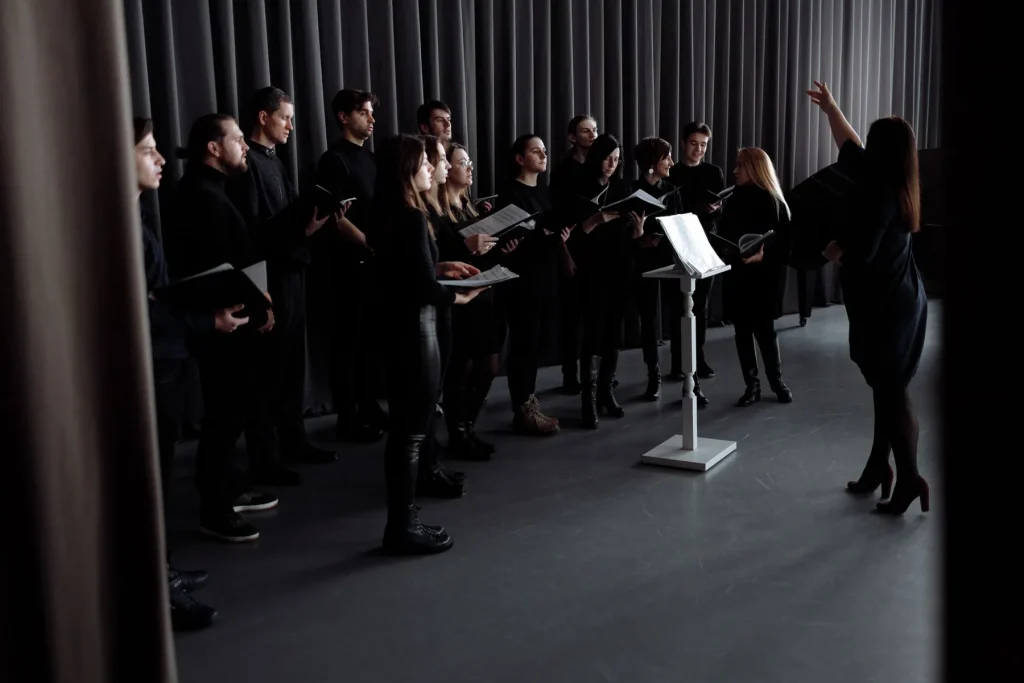
An orchestra conductor plays a crucial role in the quality of a performance and the harmony within a group of musicians. Their presence is essential to ensure the success of the musical work. They lead the orchestra using precise gestures and movements that indicate the tempo, meter, harmonic progressions, and dynamics. Their facial expressions are also important for conveying the emotion and message of the musical work to the musicians and audience.
Musical and artistic qualities are essential for becoming an orchestra conductor. Specialized training, including extensive musical studies, is required at conservatories or specialist schools. The most renowned conductors can earn from €3,000 to more than one million euros per year. An orchestra conductor’s career generally begins relatively late and requires years of work as a musician or composer.
The evolution of the maestro dates back to antiquity, when choirs were guided by one of the singers. Over time, conducting became professionalized and increasingly important, particularly as musical writing grew more complex and orchestras became larger. Today, the conductor is a charismatic and celebrated figure who contributes to the orchestra’s reputation and brings a personal vision to the work being performed.
Overall, an orchestra conductor plays a crucial role in directing and interpreting the music performed by an orchestra. They ensure harmony and coordination among the musicians, using gestures, movements, and facial expressions to communicate the tempo, meter, dynamics, and emotion. They must possess musical and artistic qualities, complete specialized training, and often begin their career as a musician or composer. The profession has evolved over time to become more specialized and important, with renowned conductors attaining celebrity status.
The Orchestra Conductor’s Gestures and Facial Expressions
The conductor’s gestures and facial expressions are crucial elements of their performance. Their primary function is to lead the group through gestures and facial expressions. Using gestures and a baton, the conductor guides the musicians by providing information about the tempo, meter, harmonic progressions, and dynamics. Each gesture has a precise meaning that the musicians can understand and respond to. A simple movement of the baton can indicate the flow of the music or silence. In some cases, the conductor does not even use a baton and simply uses their hands to direct the entire orchestra.
In addition to gestures, the conductor’s facial expression reflects the emotion and message conveyed by the musical work and lets the musicians know whether the interpretation is successful. Raised eyebrows may indicate excitement, closed eyes may express sadness, and pursed lips may convey longing. The conductor is responsible for translating the composer’s message into gestures and facial expressions, modifying the interpretation to create the desired effect.
Being an orchestra conductor is a true calling that requires leadership qualities, a passion for music, and considerable energy. Conductors must have an excellent ability to communicate with musicians and motivate them to perform at their best. They must be able to work as part of a team, make quick decisions, and manage conflicts. Training to become a conductor includes extensive musical studies at conservatories as well as practical placements. Physical discipline and the ability to withstand fatigue and stress are also essential.
An orchestra conductor’s salary can vary according to experience and reputation. The most renowned conductors can earn more than one million euros per year. However, even the most talented conductors must be prepared to work hard and devote themselves fully to their careers.

The evolution of the conductor over time has led to their growing importance as both an interpreter and a charismatic presence on stage. Conductors have become celebrities in their own right, playing an essential role in promoting classical music and inspiring future generations of musicians and conductors.
The Qualities and Training of an Orchestra Conductor
Becoming an orchestra conductor requires a genuine calling and outstanding musical and artistic qualities. Conductors need leadership skills to direct the entire orchestra while ensuring the harmony and quality of the music being performed. In addition, extensive musical knowledge is necessary to understand the different nuances of each work.
Most conductors have trained at national higher conservatories of music and dance, where they learned various techniques in conducting, harmony, orchestration, and teaching. Students also take composition and musical analysis courses to learn the structure of musical works. Training to become an orchestra conductor is therefore rigorous and specialized.
In addition to their musical skills, conductors need considerable ambition, charisma, and a keen sense of organization. They must be able to understand different musical genres and how a work was composed. Conductors must also take care of their bodies because leading an orchestra requires physical stamina.
As for remuneration, it varies according to the conductor’s experience and reputation. The most renowned conductors can earn more than one million euros per year. However, competition for conducting positions is extremely strong.
Being an orchestra conductor therefore requires musical, artistic, and leadership qualities as well as specialized training. It is a demanding but exciting profession for those with a calling and a passion for music.
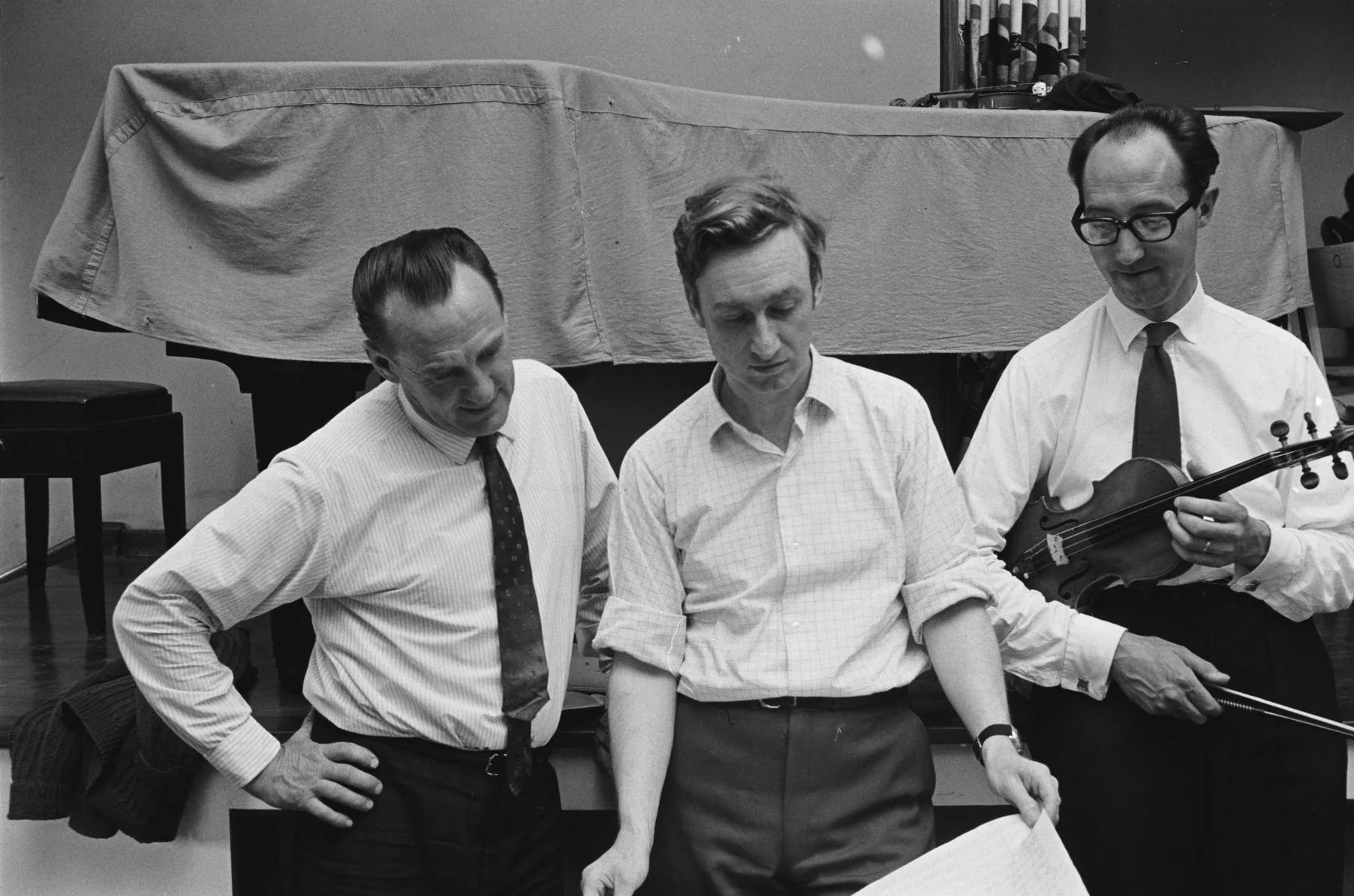
The Responsibilities and Skills of an Orchestra Conductor
An orchestra conductor also needs energy, firmness, ambition, charisma, and an excellent sense of organization. Indeed, the responsibilities and duties of an orchestra conductor are crucial to the quality of the performance and harmony within the orchestra.
The conductor guides the musicians so that they play harmoniously and faces the considerable challenge of ensuring that rhythm, tempo, and dynamics are respected. They also adjust the sound level of each instrument and use their leadership skills to make the performance authentic and successful. Every gesture made by the conductor has a precise meaning and forms part of a code understood by the instrumentalists. The conductor’s arms indicate the tempo, meter, harmonic progressions, and dynamics, while their facial expression reflects the emotion or message conveyed by the musical work.
The essential qualities of an orchestra conductor include energy, firmness, leadership, musical and artistic talent, extensive musical knowledge, and an ability to withstand fatigue and stress. Conductors must also be able to work independently, make decisions quickly, and manage complex situations.
| Responsibilities of an Orchestra Conductor | Duties of an Orchestra Conductor | Skills of an Orchestra Conductor |
|---|---|---|
| Lead the orchestra | Rehearse with the orchestra | Conducting skills |
| Motivate the ensemble | Adapt the interpretation to the work | Musical knowledge |
| Manage rehearsals | Work with soloists | Organizational ability |
| Prepare concerts | Review the score | Communication skills |
| Optimize the quality of the performance | Lead dress rehearsals | Resistance to stress |
Furthermore, being an orchestra conductor involves physical risks, particularly fatigue and musculoskeletal disorders caused by repetitive movements.
An Orchestra Conductor’s Career
The work of an orchestra conductor can be physically tiring and involves certain risks. Nevertheless, it is a calling that requires musical, artistic, and leadership qualities to direct a group of musicians and ensure a harmonious performance.
Routes into conducting vary, but the required training involves extensive study at conservatories. To become an orchestra conductor, a person needs thorough knowledge of music and teaching techniques, an excellent sense of organization, and the ability to give instructions using precise gestures.
A career in conducting offers opportunities for advancement, including the possibility of leading increasingly prestigious orchestras. In terms of salary, the most renowned conductors can earn more than one million euros per year, while a conductor at the beginning of their career may earn between €3,000 and €8,000 per month.
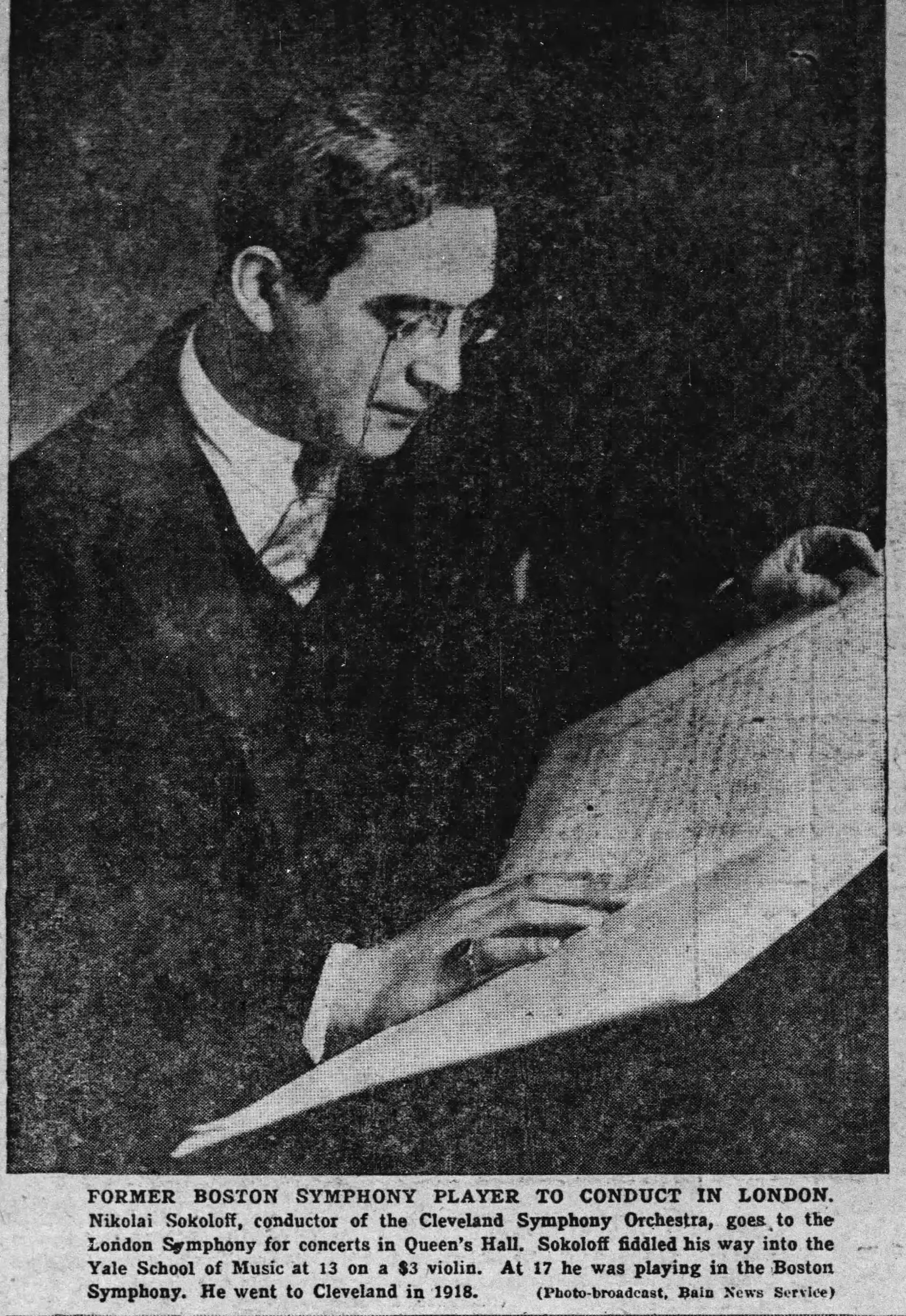
In conclusion, a career as an orchestra conductor can be difficult, but it offers many benefits to those who are passionate about music and leadership. The most famous conductors have become charismatic and indispensable figures in the world of music, and their role is essential to ensuring high-quality performances.
The Evolution of the Orchestra Conductor
The evolution of the orchestra conductor dates back to antiquity and passed through several stages before the conductor became a charismatic and celebrated figure in the twentieth century. Initially, composers conducted the orchestra themselves. However, as orchestras grew and musical productions expanded, the need arose for an independent and skilled conductor.
In the eighteenth century, Ignaz Holzbauer was the first to use a baton to conduct musicians. This tool was mainly used to mark the beat. Then, during the nineteenth century, conductors began to develop their own gestural styles to communicate their musical vision to the musicians.
The figure of the orchestra conductor reached its peak in the twentieth century with personalities such as Herbert von Karajan and Leonard Bernstein. These conductors developed a sophisticated stage presence and choreography to communicate their musical intentions to the musicians and audience. They also began recording their work, enabling them to reach a wider audience.
A conductor’s impact can be measured by the influence they exert over the interpretation of a musical work. A conductor must be able to understand the work’s meaning and intention and communicate them clearly and precisely to the musicians.
Today, the figure of the orchestra conductor continues to evolve, with modern conductors exploring new gestural styles and unconventional forms of expression to communicate their musical intentions. Regardless of these developments, however, the conductor’s primary function remains the same: to ensure a harmonious interpretation of the musical work.
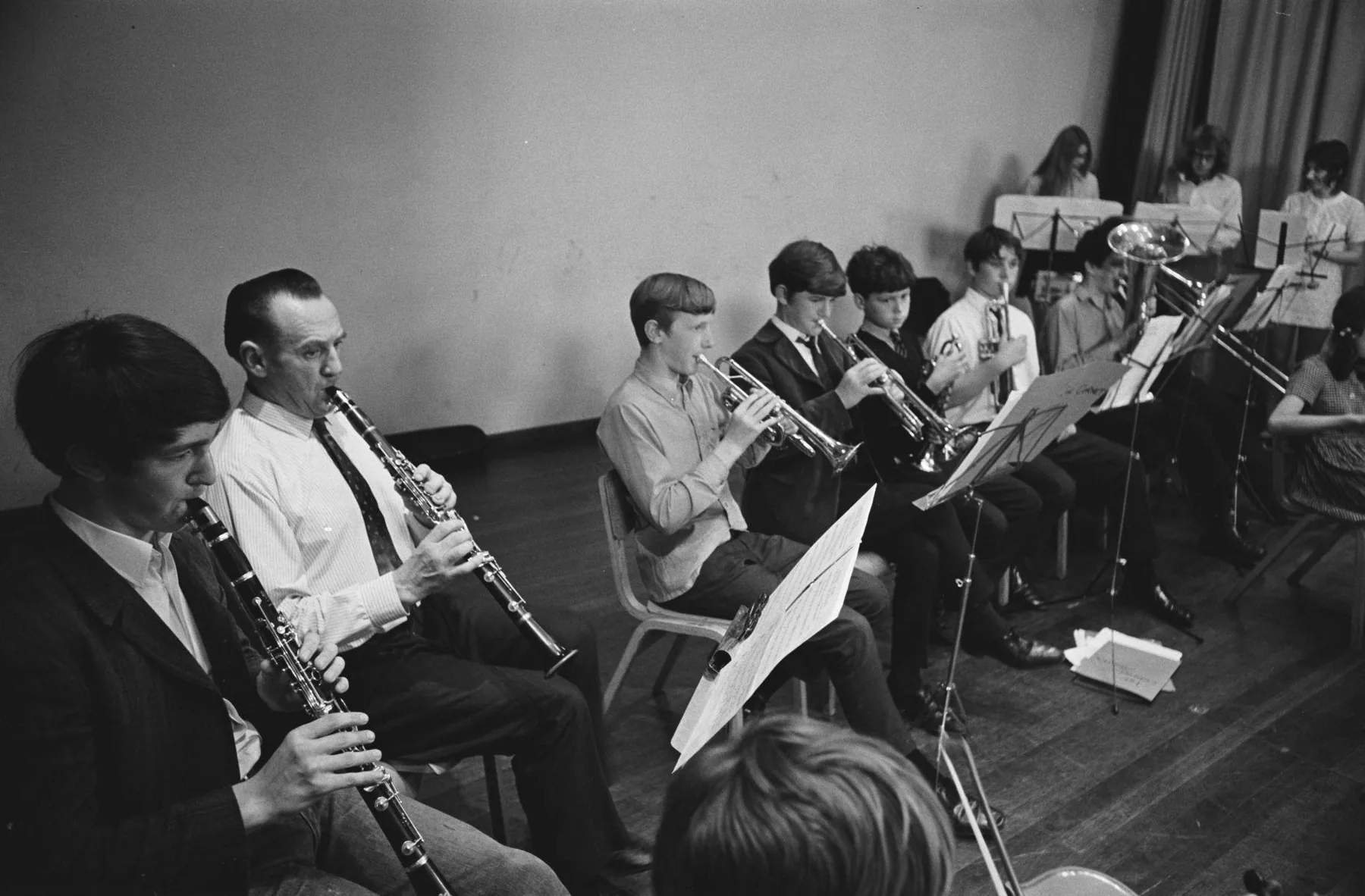
Conclusion
In conclusion, an orchestra conductor plays an essential role in music by directing a group of musicians to create harmony and a high-quality performance. Each of the conductor’s gestures and facial expressions has a precise meaning and helps guide the musicians in interpreting a work. Becoming a conductor requires musical and artistic skills as well as an excellent sense of organization, acquired through specialized training at conservatories or private schools.
The responsibilities and duties of an orchestra conductor are varied and require energy, firmness, ambition, and charisma, as well as the ability to organize and direct a group of musicians. Although a conducting career can offer opportunities for advancement and attractive salaries to the most renowned professionals, it is also physically demanding and may involve risks.
In short, the orchestra conductor is a charismatic and passionate figure who plays a crucial role in the interpretation of a musical work and whose function has evolved over the centuries into a true artistic calling.
Source Links
- https://www.classicfm.com/discover-music/instruments/conductor/what-does-a-conductor-actually-do/
- https://www.berklee.edu/careers/roles/conductor
- https://www.thenationalnews.com/arts/a-note-on-leadership-the-role-of-music-conductors-throughout-history-1.43314
- https://www.musicandpractice.org/volume-4/the-craft-of-conducting-a-general-introduction/
- https://www.sigmundthorp.com/theconductorsvisuallanguage
- https://www.atlantis-press.com/article/125993268.pdf
- https://www.rcm.ac.uk/courses/postgraduate/artdipconducting/
- https://music.yale.edu/orchestral-conducting
- https://ojs.ehu.eus/index.php/psicodidactica/article/download/20099/18801
- https://music.washington.edu/areas/orchestral-conducting
- https://music.indiana.edu/degrees-programs/areas-of-study/orchestral-conducting.html