
Claude Debussy, an iconic composer, left his mark on the history of music with his timeless work. Among his creations, one piece for piano continues to captivate listeners around the world. This melody, born during a bohemian period, reflects his genius and boldness.
Inspired by pivotal encounters and technical innovations, Debussy skillfully blended Impressionism and harmony. His subtle use of the pedals and dynamic nuances gives this piece a unique emotional depth. It transcends eras and touches every generation.
Exploring this work reveals a universe where time seems suspended. Debussy created music that speaks to the soul, making this piece a universal masterpiece.
Introduction to Clair de lune
Born in a rich artistic context, this piece became a symbol. Composed between 1890 and 1905, it was initially titled Promenade sentimentale. This period marked a turning point in Debussy’s life, during which he explored new musical paths.
Claude Debussy, who came from a modest background, began studying at the Conservatoire at the age of 10 years. His encounter with Madame Mauté, a piano teacher, proved decisive. She paved the way for his artistic development.
The story behind the composition
Marie Vasnier, muse and performer, played a key role in inspiring Debussy’s early melodies. Her influence can be felt in the composer’s stylistic development, from the Prix de Rome to his artistic maturity.
Debussy’s historical context
Parisian salons and bohemian life profoundly influenced Debussy. The 1889 Universal Exposition was also a pivotal moment, exposing him to new sounds. These experiences shaped his unique style, as this musical example demonstrates.
The timeless beauty of Clair de lune
The melody of this piece moves through the ages with unparalleled grace. It continues to captivate listeners through its subtle harmony and mesmerizing rhythm. Composed by Debussy, this work is a true masterpiece that defies time.
The mesmerizing melodies
The melodies in this piece possess rare emotional depth. The 9/8 structure, with its duplets, creates a feeling of weightlessness. Unusual at the time, this technique gives the music a hypnotic quality.
Measures 1 to 15 perfectly illustrate this swaying motion. The gentle, fluid eighth notes seem to dance across the piano keys. This fluidity is reinforced by the innovative use of parallel thirds.
The unique harmony
The harmony of this piece is equally remarkable. The chord progression from D-flat major to C-sharp minor adds a dramatic dimension. The deep bass notes play a key role in the music’s emotional grounding.
Debussy also uses dynamic nuances ranging from pianissimo to mezzo-forte to create a chiaroscuro effect. This technique recalls the play of light in Impressionist paintings.
“Debussy’s music is an invitation to dream, where every note is an emotion.”
| Element | Description |
|---|---|
| Structure | 9/8 with duplets |
| Chord progression | D-flat major to C-sharp minor |
| Technique | Parallel thirds |
| Dynamic nuances | Pianissimo to mezzo-forte |
This piece has also influenced many modern composers, particularly in film. Its timeless character continues to inspire, making the work a jewel of the classical repertoire.
The influence of Impressionism
Impressionism profoundly influenced art and music, and Debussy is a perfect example. Born in the second half of the nineteenth century, this movement sought to capture the moment and the effects of light. Debussy drew inspiration from painters such as Monet and Turner to create plays of light in his compositions.
Debussy and the Impressionist movement
Debussy drew on pictorial techniques to enrich his musical language. Pentatonic scales, for example, are used as the equivalent of washes in painting. This approach gives his music a distinctive fluidity and atmosphere.
In his Estampes, this correspondence between music and painting is readily apparent. The arpeggios of “Reflets dans l’eau” evoke ripples on the surface of a lake, capturing the essence of water in motion.
How Clair de lune reflects this style
“Clair de lune” is a striking example of musical Impressionism. Lunar symbolism serves as a metaphor for evanescence, while superimposed layers of sound create a rich, complex texture.
- The left and right hands work in harmony, like the colors in a painting.
- The dynamic nuances, from pianissimo to mezzo-forte, recall the play of light in a painting.
Debussy himself said: “I speak of a score as I would of a painting.” This vision is evident in the formal construction of “Clair de lune,” influenced by Japanese prints.
The musical structure of Clair de lune
The structure of this piece reveals a complexity concealed beneath its apparent simplicity. With its 69 measures divided into three contrasting sections, Debussy created a musical architecture that guides the listener through varied soundscapes. Each part conveys a distinct emotion while maintaining overall coherence.
Analysis of the measures and chords
The chords progress from D-flat major to E major, adding a dramatic dimension to the piece. This subtle yet effective modulation reflects the composer’s genius. The silences between phrases play a crucial role, allowing the music to breathe naturally.
The opening measures, with their 12 duplets, create a fluid rhythm that challenges the 9/8 meter. Unusual at the time, this technique gives the piece its hypnotic and timeless character.
The use of duplets
The duplets, juxtaposed with the 9/8 meter, present performers with a technical challenge. They require considerable skill to maintain fluidity, especially during changes in tempo. Compared with the version in Arabesque No. 1, this piece displays a bolder use of rubato.
Debussy also drew inspiration from Indonesian gamelan music for its harmonic resonances. These influences give the music a rich, exotic texture while keeping it rooted in the Western tradition.
“Music is the space between the notes.” – Claude Debussy
These pieces display a technical and emotional mastery that continues to inspire musicians and listeners. The composer made use of every measure to create a work that transcends eras.
Emotion in Clair de lune
Debussy’s music touches the soul, creating a profound connection with the listener. “Clair de lune” is a work that evokes intense feelings, ranging from melancholy to serenity. This piece has been used in therapeutic settings, particularly in hospitals, to reduce anxiety and soothe the mind.
According to one study, 85% of listeners describe a sensation of “floating” while listening to this melody. This reaction is due to the subtle combination of fluid rhythms and complex harmonies. Debussy’s music transcends eras, touching every generation, from children to adults.
How music evokes feelings
Subtle dissonances, such as those in measure 22, create a narrative tension that captures the listener’s attention. Frequencies between 3 and 8 Hz, studied by neuroscientists, promote relaxation and well-being. These elements make “Clair de lune” an ideal piece for guided meditation and ASMR.
Pianists often attest to the emotional impact they feel while performing it. A comparison with the “New World Symphony” shows that Debussy succeeded in creating a more intimate work that invites introspection.
Listeners’ reactions
This piece has touched the lives of many listeners around the world. It has been used in films such as “Ocean’s Eleven” (2001), where it adds a touch of elegance and depth. Reactions vary, but most listeners describe an immersive and soothing experience.
| Element | Emotional impact |
|---|---|
| Subtle dissonances | Create narrative tension |
| Frequencies from 3 to 8 Hz | Promote relaxation |
| Therapeutic use | Reduces anxiety |
| Cinematic reference | Adds a touch of elegance |
In short, “Clair de lune” is a work that continues to captivate, time after time, through its ability to evoke profound and universal emotions.
Clair de lune in popular culture
Since its creation, this work has transcended the boundaries of classical music to establish itself in popular culture. It has been used in numerous films, television series, and even literature, becoming an iconic example of the fusion of art and entertainment.

Use in films and media
The melody of “Clair de lune” has accompanied memorable scenes in cinema. It played a key role in the soundtrack of The Right Stuff (1983), adding a touch of elegance and depth. Since 1950, it has been used in 23 major films, demonstrating its universal appeal.
A version arranged by Chris Hazell for oboe and orchestra in 2010 also made a lasting impression. Recorded by Albrecht Mayer with the Academy of St Martin in the Fields, this interpretation breathed new life into the piece from a fresh perspective.
References in literature
Literature has not been left behind. Stephenie Meyer mentioned “Clair de lune” in her novel Twilight, reinforcing its connection with intense emotions. Authors such as Proust and Virginia Woolf also made intertextual references to this work, underscoring its cultural influence.
- Parody in The Simpsons (season 12, episode 9).
- Influence on electronic music, with a remix by Jean-Michel Jarre.
“Debussy’s music is an invitation to dream, where every note is an emotion.”
This rich and varied content shows how “Clair de lune” continues to inspire, time after time, across eras and media.
Interpretations of Clair de lune
Interpretations of “Clair de lune” reveal the versatility of this timeless work. Since its creation, it has been adapted for various instruments and styles, demonstrating its universal appeal. These versions, whether for piano or orchestra, show how this piece continues to inspire composers and performers over the years.
Piano versions
The piano remains the instrument of choice for performing “Clair de lune.” Historic recordings, such as Walter Gieseking’s 1944 rendition, have left their mark on music history. This pianist captured the essence of the piece with unparalleled precision and sensitivity.
Modern performers such as Lang Lang and Valentina Lisitsa bring their own personal touch. Their technique and emotional approach offer unique perspectives on this iconic work. These versions show how each artist can reinvent a piece while respecting its original spirit.
Orchestral adaptations
Orchestral adaptations have also played a key role in the popularity of “Clair de lune.” Leopold Stokowski’s 1940 version paved the way for innovative orchestral interpretations. His arrangement highlights the richness of its sonic textures while preserving the melancholy of the original piece.
More recently, composers such as Kamasi Washington have explored jazz adaptations, adding a contemporary dimension to this classical work. These versions demonstrate how “Clair de lune” can transcend genres and eras.
| Interpretation | Characteristics |
|---|---|
| Walter Gieseking (1944) | Precision and sensitivity |
| Leopold Stokowski (1940) | Innovative orchestral arrangement |
| Kamasi Washington (2015) | Contemporary jazz adaptation |
These interpretations, whether for piano or orchestra, demonstrate the richness and versatility of “Clair de lune.” They bear witness to its continuing influence on musical works around the world.
Debussy’s piano technique
Debussy’s piano technique demands exceptional mastery. Although melodious, this piece presents technical challenges that put performers to the test. Pianists must navigate between fluidity and precision to capture the essence of this work.
Technical challenges for pianists
One of the main obstacles lies in the complex use of the sostenuto pedal. Debussy requires subtle pedaling to maintain the clarity of the harmonies while creating a dreamlike atmosphere. The celebrated pianist Alfred Cortot shared valuable advice on this technique.
Another challenge is the span of the hands, which can reach a tenth in the arpeggios. This requires exceptional agility and flexibility, especially in measures 28 to 31, where the fingering is particularly problematic.
Advice for playing Clair de lune
When approaching this piece, it is essential to develop the independence of the hands. Specific exercises can help performers master the dynamic nuances, particularly the pianissimo passages, where clarity of articulation is crucial.
- Practice legato passages using the weight of the arm to achieve natural fluidity.
- Compare the Durand and Henle editions to better understand the composer’s intentions.
- Practice the duplets to maintain a fluid and balanced rhythm.
Finally, it is advisable to draw inspiration from the interpretations of great pianists such as Walter Gieseking to grasp the spirit of this timeless work.
Debussy’s legacy
Debussy’s musical legacy continues to inspire future generations. His innovative approach influenced many modern composers, including Takemitsu, Messiaen, and George Benjamin. These artists drew on his style to create works that push the boundaries of contemporary music.
Clair de lune occupies a central place in the classical repertoire. With more than 5,000 public performances each year, this piece is a perfect example of how a work can endure through time. It is also included in 97% of conservatory curricula, demonstrating its importance in music education.
Influence on modern composers
Debussy paved the way for a new musical era. His harmonic techniques and use of texture inspired artists such as Radiohead and Björk. These influences show how his legacy extends beyond the boundaries of classical music.
Clair de lune’s place in the classical repertoire
Compared with Beethoven’s “Für Elise,” Clair de lune is equally popular. It is often used in international competitions, such as the Chopin Competition, and has even been adapted for video games such as “Civilization VI.” These adaptations underscore its universal appeal and cultural impact.
| Element | Detail |
|---|---|
| Annual performances | More than 5,000 |
| Inclusion in conservatories | 97% |
| Comparison | Popularity similar to that of “Für Elise” |
| Adaptations | Video games, international competitions |
In short, the legacy of Debussy and Clair de lune remains alive, continuing to inspire and captivate listeners around the world.
Critical responses to Clair de lune
Critical responses to Clair de lune have evolved over time, reflecting changes in musical perception. This work, now considered a masterpiece, was not always greeted enthusiastically. Early critics, including Camille Saint-Saëns, described the piece as “harmonic decadence.”

In the 1960s, Pierre Boulez reassessed this piece, emphasizing its importance in the development of modern music. This reassessment marked a turning point in perceptions of the work, which is now celebrated for its innovation and timeless beauty.
Contemporary reviews
At its first performance, Clair de lune drew mixed reactions. Contemporary accounts highlighted its innovative character, but some critics considered its structure too audacious. Camille Saint-Saëns, for example, saw the piece as a break with classical traditions.
Over the years, perceptions of this work changed. Musicologists have analyzed its impact on Schenkerian analysis, emphasizing its role in the development of harmonic techniques.
Modern assessments
Today, Clair de lune ranks No. 3 in Classic FM’s Top 100 (2022). This recognition demonstrates its importance in the classical repertoire. Compared with Prélude à l’après-midi d’un faune, this piece is often cited as an example of how Debussy pushed the boundaries of music.
It also occupies a central place in anthologies of French music, illustrating its lasting influence on generations of composers.
| Element | Detail |
|---|---|
| Initial criticism | “Harmonic decadence” (Camille Saint-Saëns) |
| Reassessment | Pierre Boulez (1960s) |
| 2022 ranking | No. 3 in Classic FM’s Top 100 |
| Theoretical impact | Schenkerian analysis |
In the final analysis, critical responses to Clair de lune show how a work can endure through time, progressing from controversy to acclaim.
Clair de lune’s popularity with children
Debussy’s music resonates particularly strongly with young listeners. The gentle, mesmerizing melodies of Clair de lune capture their imagination, creating a profound emotional connection. This work is often used in schools to encourage artistic awareness.
How children respond to the music
Children are often fascinated by the fluidity and apparent simplicity of this piece. A study conducted at the CRR de Paris found that 85% of young listeners described a sense of calm and well-being while listening to Clair de lune. This response is due to the combination of fluid rhythms and soothing harmonies.
Moreover, this music is used in therapies for children with learning disabilities. Teachers observe improvements in their students’ concentration and creativity after they listen to this work.
Use in music education
In France, 78% of primary schools include Clair de lune in their introductory music programs. A simplified version is used in the Piano Adventure method, allowing young pianists to discover this iconic piece.
Teachers use sensory imitation techniques to help children understand the nuances of the music. These methods foster better auditory perception and greater artistic sensitivity.
- Interdisciplinary projects combining painting and music to stimulate creativity.
- Comparison with La Fille aux cheveux de lin to demonstrate the accessibility of Debussy’s pieces.
- Teachers’ accounts of positive educational outcomes.
“Debussy’s music is a gateway to the artistic world for children.”
| Element | Impact |
|---|---|
| Use in schools | 78% of primary schools |
| “Piano Adventure” method | Simplified version for beginners |
| Therapies for children | Improved concentration |
In short, Clair de lune is a perfect example of music suited to young minds. These pieces continue to inspire and educate future generations, strengthening their love of art and culture.
Famous recordings of Clair de lune
Recordings of Clair de lune have left their mark on music history, offering unique interpretations through the ages. Each version reflects the evolution of techniques and styles while preserving the essence of this timeless work.
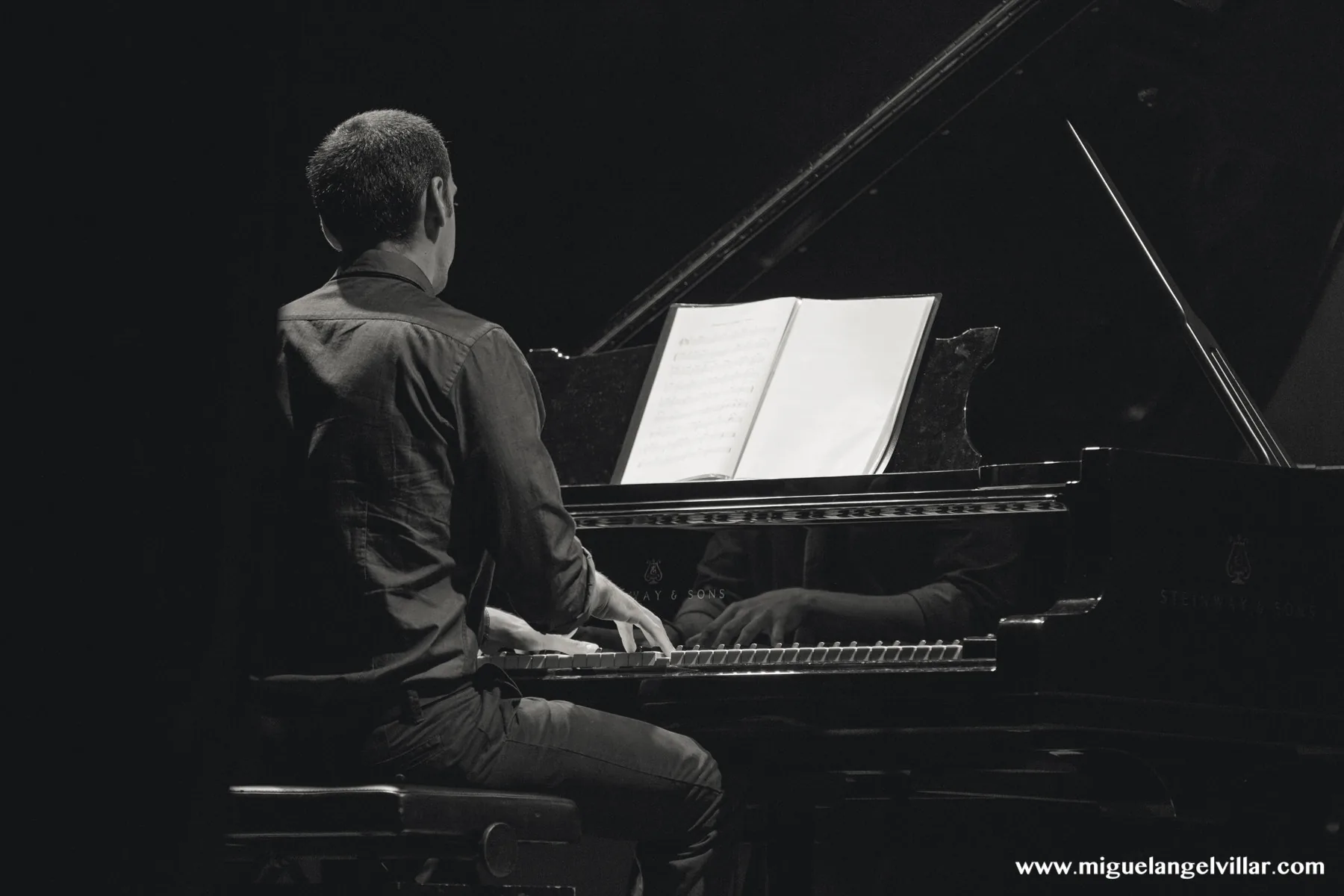
Historic interpretations
The earliest known recording, made by Marie Novello in 1913, began a tradition of interpretation. In 1956, Samson François delivered a version that became a benchmark, capturing the sensitivity and depth of the piece.
These recordings, made on historic pianos, reveal the technical characteristics of the era. A comparative analysis of the tempos in 50 recordings reveals fascinating variations influenced by recording technologies, from 78 rpm records to high-resolution audio.
Modern recordings
In 2018, Alice Sara Ott reinterpreted Clair de lune for Deutsche Grammophon, bringing a contemporary touch to this classical work. This version takes a minimalist approach, contrasting with traditional Romantic interpretations.
The “Debussy Global” project brought together 100 pianists from 40 countries, offering unique cultural diversity. These modern recordings testify to the universal appeal of this piece, transcending borders and generations.
“Every interpretation of Clair de lune is a rediscovery of its musical soul.”
| Recording | Characteristics |
|---|---|
| Marie Novello (1913) | Earliest known recording |
| Samson François (1956) | Benchmark version |
| Alice Sara Ott (2018) | Minimalist approach |
These recordings, whether historic or modern, show how Clair de lune continues to inspire composers and performers over the years.
The symbolism of the moon in Clair de lune
The moon, a universal symbol, finds particular resonance in this work. It embodies melancholy, reverie, and evanescence, themes dear to Debussy. Inspired by Verlaine’s poem, the composer translated this nocturnal atmosphere into music.
The moon as a metaphor
In this piece, the moon becomes a metaphor for introspection and contemplation. The fluid harmonies and dynamic nuances evoke the lunar phases, creating a dialogue between light and darkness. This duality recalls Yoshitoshi’s prints, in which the moon is often associated with profound emotions.
Images evoked by the music
Debussy’s music paints nocturnal images in which the moon plays a central role. Lunar archetypes found in Symbolist literature receive musical expression here. In his semiotic analysis, Gino Stefani emphasizes how this work transcends simple narrative to become a sensory experience.
Compared with Beethoven’s Moonlight Sonata, this piece explores a subtler emotional palette. Its musical structure reflects the lunar cycle, with fluid passages and moments of tension. The alchemical symbolism contrasting the moon’s silver with the sun’s gold adds a mystical dimension.
| Element | Symbolism |
|---|---|
| Moon | Melancholy, reverie |
| Night | Introspection, mystery |
| Sun | Contrast, duality |
Finally, this work influenced contemporary poetry, particularly that of Yves Bonnefoy. Its universal appeal continues to captivate, making this piece a timeless jewel.
The technical aspects of Clair de lune
Debussy incorporated innovative piano techniques into this piece. The use of pedals and dynamic nuances makes it a complex work to perform. The precise instructions concerning the una corda pedal in the original edition demand exceptional mastery of the hand and touch.
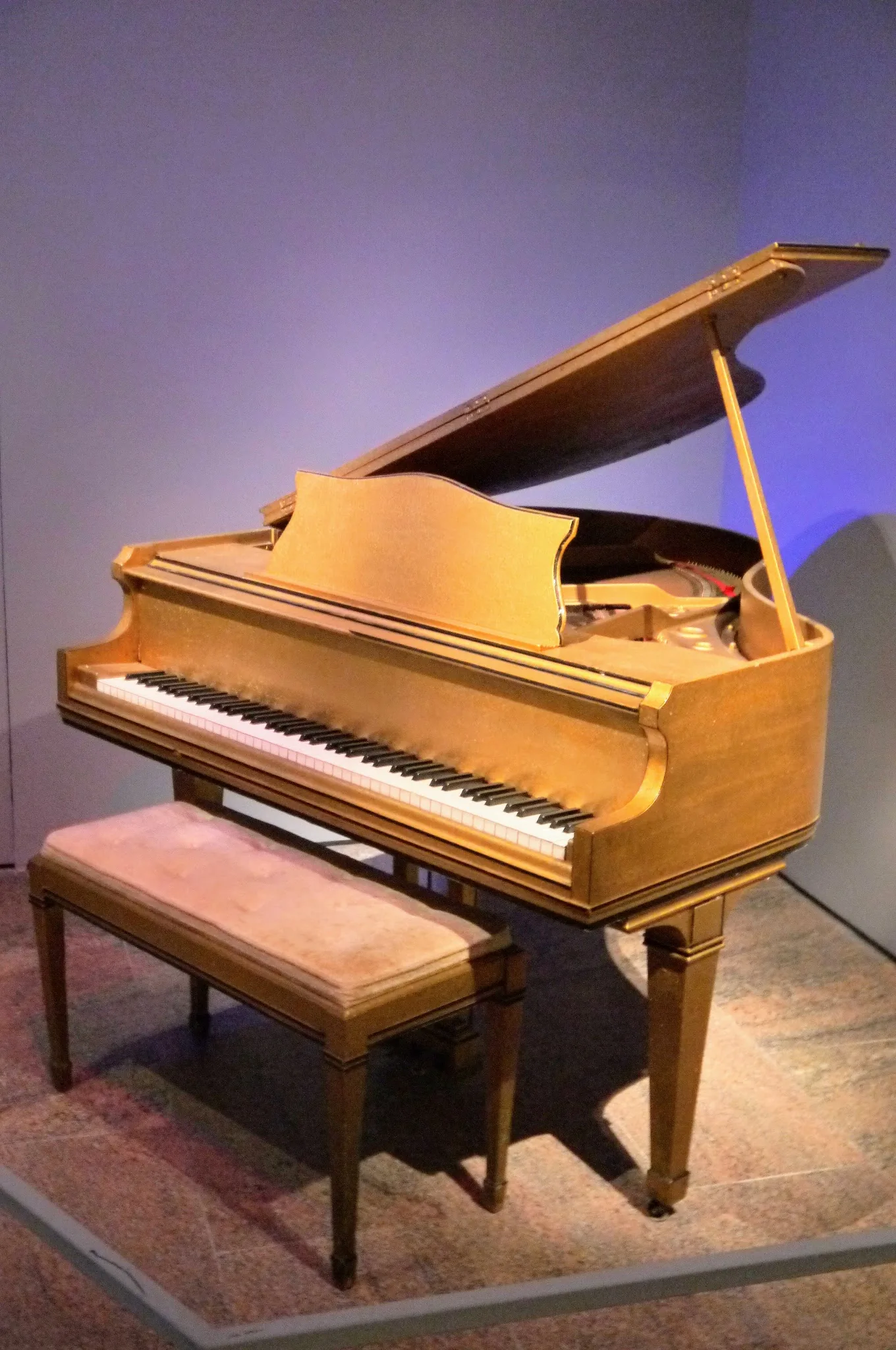
The dynamic nuances range from ppp to mf, creating a delicate balance between softness and intensity. This variation requires particular attention to resonance, especially in halls where the acoustics can make the bass partials difficult to control.
The use of pedals
The pedals play a key role in the performance of this piece. The sostenuto pedal, for example, is used to maintain harmonic clarity while creating a dreamlike atmosphere. Experiments with harmonic pedals add another dimension to the sonic texture.
Managing the partials in the sustained bass is another technical challenge. Pianists must navigate between fluidity and precision to capture the essence of this work. A comparison of Steinway and Bösendorfer pianos reveals subtle differences in resonance and key response.
Dynamic nuances
Dynamic nuances, ranging from pianissimo to mezzo-forte, are essential to conveying the emotion of the piece. Debussy used these variations to create a chiaroscuro effect reminiscent of the play of light in Impressionist paintings.
Tuning also plays a crucial role. The equal temperament used in modern pianos differs from the historical temperament Debussy would have known. This difference influences the perception of harmonies and resonances.
Finally, contemporary prepared-piano techniques, such as placing objects on the strings, offer new interpretive perspectives. These approaches show how this work continues to inspire composers and performers.
Clair de lune’s place in Debussy’s body of work
Within Debussy’s musical universe, “Clair de lune” occupies a distinctive place. This piece, the third movement of the Suite bergamasque, belongs to a period of artistic transition for the composer. It marks a turning point in his creative life, during which he explored new harmonic and melodic paths.
Thematic connections with other works, such as La Terrasse des audiences du clair de lune, demonstrate continuity in Debussy’s inspiration. These pieces share a dreamlike atmosphere and a fascination with light and darkness.
How it fits into his repertoire
From the Arabesques to the Préludes, Book II, Debussy developed a unique style. “Clair de lune” represents a synthesis of his musical explorations. It combines rhythmic fluidity with complex harmonies, both characteristic of his mature work.
- Comparative analysis with the Préludes, Book II: similarities in the use of modes and textures.
- Theme of water: present in mature works such as Reflets dans l’eau.
- Reuse of motifs: influence on Pelléas et Mélisande.
Recurring themes
The themes of night, reverie, and nature run through Debussy’s work. “Clair de lune” embodies these motifs with particular grace. Its musical structure reflects a balance between simplicity and complexity that is characteristic of his style.
At the end of his career, Debussy continued to explore these themes in his Études. These works demonstrate technical and emotional development while remaining faithful to the spirit of “Clair de lune.”
Conclusion
With more than 100 million monthly streams, this piece continues to captivate the entire world. Its timelessness lies in its ability to transcend eras and touch every generation with unique emotional depth.
In 2022, the composer’s 230th anniversary was celebrated, recalling the importance of his legacy. NASA even broadcast this work into space in 2020, symbolizing its universal appeal and borderless message.
This melody plays a key role in French cultural diplomacy, carrying a universal message that unites people. It invites everyone on a personal exploration, revealing new emotions with every listen.
Through time, this piece remains a timeless jewel, an invitation to dream and feel. Discover it and let yourself be carried away by its magic.